
Valletta Travel Costs in 2026: Backpacker, Nomad & Luxury Budgets
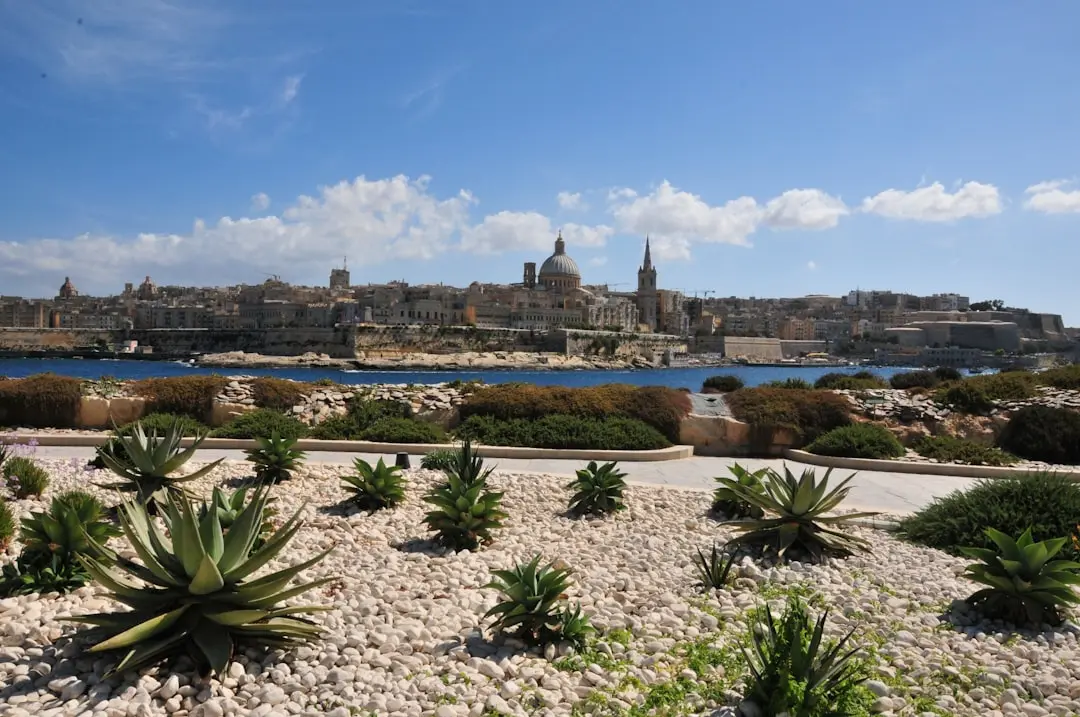
Malta · EuropeValletta dazzles with golden limestone, historic forts, and sea views from every corner. Right now (mid-August), the Santa Marija feast brings fireworks and festas to the streets—an incredible time to experience the capital's vibrant culture on a budget.
Is Valletta Expensive? The Short Answer
Valletta is mid-range. At $45 a day for backpacker travel it costs more than 56% of the 399 destinations we track.
- A short trip of 4 nights costs about $180, excluding flights.
- A week costs about $315; a month is about $1350.
- That works out at $45 a day for backpacker travel.
Living in Valletta: Backpacker Guide for 2026
Valletta, Malta’s tiny fortified capital, packs more history, sea views, and Mediterranean warmth into less than a square kilometer than most entire cities do. For backpackers, it’s a golden middle ground: not as dirt-cheap as Lisbon or Bangkok, but far more affordable than Rome or Paris. The Santa Marija feast on August 15 turns the streets into a riot of fireworks, processions, and street food—a spectacular cultural show that costs nothing to enjoy. Even then, prices are still pleasant if you know the local tricks.
Hostel options are growing fast. The Valletta Hostel (€25 dorm) sits right inside the walls, while the Sliema based Hostel NSTS gets you a bed for €20. I recommend grabbing a €1.50 pastizzi (ricotta or pea) from the Scrap store near the bus station, then heading to Lower Barrakka Gardens for a golden hour that overlooks the Grand Harbour. The city’s main market, Is-Suq Tal-Belt, offers cheap fruit, sandwiches, and local snacks. Most museums cost €6-10, but the St. John's Cathedral is free during Sunday mass, and the whole city is a UNESCO site you can wander for days.
For cheap beds, skip Valletta’s historic core and base yourself in Sliema or Gżira, a 10-minute ferry ride away. These towns have lively waterfronts, cheap eateries, and frequent buses to the capital—so you get the best of both worlds. If you want to stay inside the walls, look at St. Elmo's area for small guesthouses, but expect to pay a few euros more. Eating local is key: order a rabbit stew at one of the tiny taverns in Floriana, or buy a ftira (Maltese bread) sandwich for under €3.
All told, you can comfortably live on $35-45 a day. A hostel bed runs $20-25, street food $10, a bus day pass $2, and bar hopping might add $10. To save, take advantage of free events like the banda (brass band) concerts on feast nights, and pack a swimsuit—you can take a local bus to sandy beaches in Mellieha or Ghajn Tuffieha for the price of a simple ride. Valletta is safe, walkable, and shockingly lively for its size, making it a memorable stop on any European backpacker route.
How Much Does Valletta Cost? Daily and Monthly Budget
| Travel style | Day | Week | Month |
|---|---|---|---|
🎒BackpackerHostels, street food, public transport | $45/day | $315/week | $1350/month |
💻Digital NomadPrivate room, cafes, coworking spaces | $85/day | $595/week | $2550/month |
✨LuxuryHotels, fine dining, private transfers | $300/day | $2100/week | $9000/month |
Internet Speed in Valletta for Remote Work
Where to Stay in Valletta: Best Neighborhoods
Valletta City Centre
$$The fortified historic heart, packed with baroque architecture, museums, and boutique shops. It's vibrant but touristy, with higher prices and a lively atmosphere.
Sliema
$A waterfront town just across the harbour, known for its promenade, a wide variety of restaurants, and easy ferry access to Valletta. It's a great base for nomads and tourists who want a mix of convenience and comfort.
St. Julian's / Paceville
$Malta's nightlife hub, packed with bars, clubs, hotels, and beach clubs. It's lively and energetic, but can be noisy at night; best for party-loving travelers.
The Three Cities (Birgu, Isla, Bormla)
$Historic fortified towns across the Grand Harbour from Valletta, offering a more authentic, quieter experience. Great for those seeking charm and a sense of seclusion.
Weather in Valletta This Week
Pros and Cons of Living in Valletta
Pros
- +Stunning UNESCO-listed architecture
- +Extremely safe, low crime
- +Compact and walkable
- +Excellent internet and 5G
- +Warm Mediterranean climate with over 300 sunny days
- +Affordable compared to Western Europe
- +Delicious Maltese cuisine
- +Rich cultural calendar with feasts and festivals
- +Friendly English-speaking locals
- +Great base for island hopping (Comino, Gozo)
Cons
- -Can be crowded and touristy in August
- -Limited nightlife options outside St. Julian's
- -Accommodation prices spike in peak season
- -Public transport can be infrequent and crowded
- -No sandy beaches directly in Valletta
- -Small area, might feel confined for long-term stays
- -Some historic buildings are poorly maintained
- -Car parking is a nightmare
- -Dining out can be pricey at tourist spots
- -Lack of green parks
Valletta FAQ: What Travelers Ask Most
Yes, Valletta is considered one of the safest capital cities in Europe, with a very low crime rate. The main concern is petty theft, so keep an eye on your belongings in crowded areas and at festivals.
The best time is from May to June and September to October—pleasant weather, fewer crowds, and moderate prices. August is hot and busy, with the Santa Marija feast being a highlight but also the peak tourist season.
If you're from the US, UK, Canada, Australia, or the EU, you can stay up to 90 days in a 180-day period without a visa. Other nationalities should check Schengen visa requirements.
Valletta has excellent internet infrastructure, with average fiber speeds around 100 Mbps download and 50 Mbps upload. Most cafes and co-working spaces provide reliable Wi-Fi, and 5G is widely available.
Absolutely. Malta offers a Nomad Residence Permit for remote workers, and the country has a growing digital nomad community. You'll find co-working spaces like Primo and numerous café-friendly spots with fast internet.
The backpacker scene is developing; you'll find a handful of hostels, a social atmosphere, and plenty of budget-friendly activities. It's not as bustling as Southeast Asia, but the mix of history, beaches, and festivals attracts a friendly crowd.
Backpackers can manage on $35-45 per day with hostels and street food. Nomads typically spend around $85 per day for apartment rent, co-working, and dining out. Luxury travelers should budget $300+ per day for five-star hotels and fine dining.
Cities Near Valletta
The closest destinations across the border, with distance and daily cost
Best Places to Visit in Europe
Top-scoring destinations in the same part of the world.
Quick Facts
- Global Rank
- #144 of 399
- Region
- Europe
- Timezone
- Malta
- Weather
- 22.6°C · Patchy rain nearby
- Backpacker
- $45/day
- Digital Nomad
- $85/day
- Luxury
- $300/day
- Monthly (backpacker)
- $1350
- Download
- 100 Mbps
- Upload
- 50 Mbps
Score by Travel Style
Do You Need a Visa for Valletta?
Malta is part of the Schengen Area. Many nationalities (US, UK, Canada, Australia) can enter visa-free for up to 90 days. For longer stays, you can apply for a stay permit or the Nomad Residence Permit.
Is Valletta Safe?
Valletta is one of Europe's safest capitals, with a low crime rate and a strong police presence. Petty theft is rare, but pickpocketing can occur in crowded tourist spots; keep valuables secure.