
Florianopolis Travel Costs in 2026: Backpacker, Nomad & Luxury Budgets
Brazil · South AmericaFlorianopolis is Brazil's hidden beach paradise, offering cheap adventures, a growing nomad hub, and quiet luxury escapes. In August, the low season brings lower prices and raw, surf-worthy waves, with no major festivals but a cozy local vibe.
Is Florianopolis Expensive? The Short Answer
No — Florianopolis is cheap. At $25 a day for backpacker travel it undercuts 83% of the 399 destinations we track.
- A short trip of 4 nights costs about $100, excluding flights.
- A week costs about $175; a month is about $750.
- That works out at $25 a day for backpacker travel.
Living in Florianopolis: Backpacker Guide for 2026
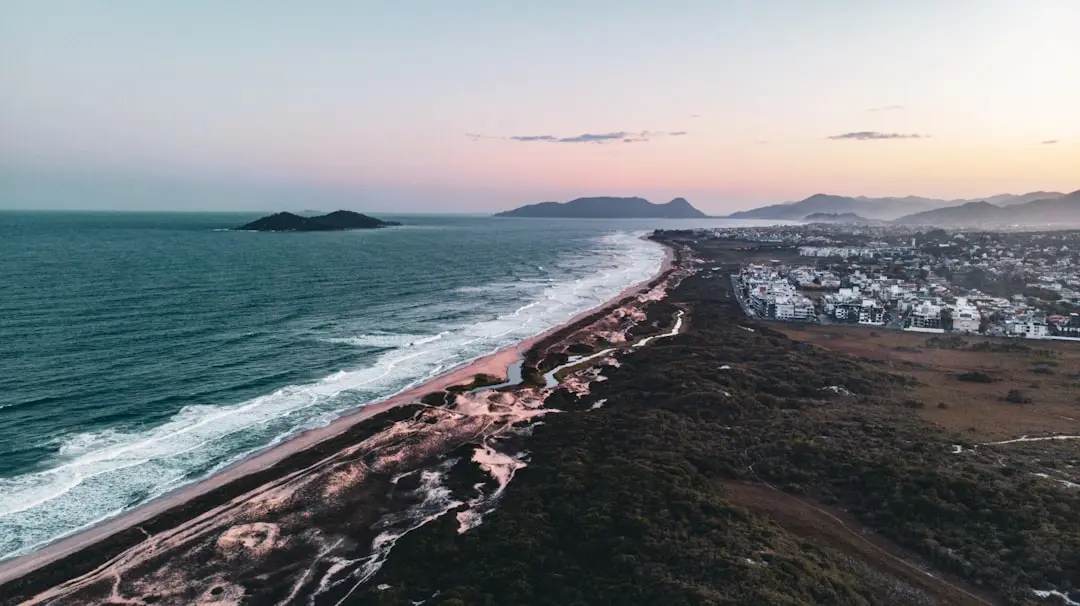
Florianopolis is a backpacker paradise that's often overlooked in favor of Rio and São Paulo, but this island city has a laid-back vibe, epic beaches, and a thriving hostel scene. In August, the low season means fewer crowds, cheaper rates, and still enough surf swells off the southern coast. The city is a collage of natural beauty, from forested dunes to turquoise lagoons, and you can hike, surf, or just sprawl on the sand for free.
The heart of the backpacker scene is Lagoa da Conceição, where hostels cluster around the lagoon and bars, and casual eateries serve generous portions of Brazilian classics. A night in a clean dorm runs $12-18, and a hearty plate of feijoada or a massive açaí bowl is under $6. The public buses are cheap and connect the main spots, so you can watch the sunset at Praia Mole, then join the impromptu samba sessions back in Lagoa.
Budget travelers should stay in Lagoa or Campeche, where you can eat at local pastelarias, buy fruit from street vendors, and take advantage of hostel happy hours. Free activities are abundant: hike to the top of Morro da Lagoa for a panoramic view, spend a day at the wild Praia do Cacupé, or join a pickup volley game on the sand. Even with rent, food, and transport, you'll be spending $25-35 a day, making Floripa one of the best-value destinations in Brazil.
For money-saving tips, buy a transit card for bus discounts, cook some meals at the hostel, and visit the outdoor markets in Santo Antônio for cheap local snacks. Most importantly, embrace the slow pace – the island rewards you with the most beautiful beach days if you're willing to take a bus, a trail, or a boat to reach them. With a little flexibility, Florianopolis offers a classic South American backpacking experience that feels like a secret.
How Much Does Florianopolis Cost? Daily and Monthly Budget
| Travel style | Day | Week | Month |
|---|---|---|---|
🎒BackpackerHostels, street food, public transport | $25/day | $175/week | $750/month |
💻Digital NomadPrivate room, cafes, coworking spaces | $60/day | $420/week | $1800/month |
✨LuxuryHotels, fine dining, private transfers | $250/day | $1750/week | $7500/month |
Internet Speed in Florianopolis for Remote Work
Where to Stay in Florianopolis: Best Neighborhoods
Lagoa da Conceição
$The bohemian heart of the island, a lagoon surrounded by hills, with lively nightlife, surf shops, and a mix of budget hostels and upscale pousadas. It's the go-to for backpackers and nomads.
Campeche
$A large sandy beach with a calm atmosphere, popular with families and remote workers. It has good cafés, coworking spaces, and a feeling of open space.
Jurerê Internacional
$$The most exclusive area, with luxury beach clubs, high-end hotels, and a glamorous nightlife scene. It's a social hub for wealthy visitors and celebrities.
Santo Antônio de Lisboa
$A historic fishing village with colonial architecture, art galleries, and traditional seafood restaurants. It's quirky and serene, perfect for a quieter stay.
Weather in Florianopolis This Week
Pros and Cons of Living in Florianopolis
Pros
- +Beautiful beaches and nature
- +Relatively safe for Brazil
- +Good internet and coworking spaces
- +Vibrant backpacker scene
- +Affordable cost of living
- +Great surf spots
- +Delicious local cuisine
- +Friendly locals
- +Good public transport within the island
- +Diverse neighborhoods
Cons
- -Low season (August) can be chilly and rainy
- -Public transport limited to buses with occasional delays
- -Limited public healthcare
- -Some areas with crime at night
- -Lack of an international airport (needs transfer)
- -Portuguese only, English not widely spoken
- -Expensive high season (Dec-Feb)
- -Limited luxury infrastructure compared to big cities
- -Bureaucracy for long-term visas
- -Distance from other major attractions
Florianopolis FAQ: What Travelers Ask Most
Florianopolis is safer than many Brazilian cities, but you should still take precautions. Petty theft can occur on crowded beaches and buses, so keep valuables hidden and avoid walking alone in isolated areas at night. The main tourist spots are generally safe, especially during the day.
The best time is from September to March when the weather is warm and sunny. December to February is the peak season with high prices, while August offers lower costs and great surf but cooler temperatures around 15-20°C and occasional rain. For a balance, visit in spring (October-November) when it's warm and less crowded.
Most visitors from the US, Canada, EU, and many other countries get a 90-day visa on arrival, which can be extended once for another 90 days. There is also a digital nomad visa for remote workers planning to stay up to one year. Check with Brazilian consulate for your specific nationality.
Internet speeds in Florianopolis are decent, especially in coworking spaces and tourist areas, with downloads typically between 50-100 Mbps. Some cafes and hostels may have slower connections, but you'll find reliable Wi-Fi in Lagoa and Campeche. For stable video calls, use a dedicated coworking space.
Yes, Florianopolis is becoming a popular digital nomad destination. You'll find coworking spaces, a growing community, and good internet in key areas. The Brazilian digital nomad visa allows an extended stay of up to one year, and the cost of living is quite affordable compared to many hubs.
The backpacker scene is lively and concentrated in Lagoa da Conceição, where you'll find many hostels and a social atmosphere. During August, the vibe is more laid-back, but you can still meet travelers from all over the world. Activities like surfing, hiking, and beach parties keep the community engaged.
A backpacker can get by on $25-35 per day, covering a hostel, street food, and bus transport. A digital nomad might spend $60-80 daily, including a shared or solo apartment and coworking. Luxury travelers should budget $250-400 per day for high-end hotels, fine dining, and private tours.
Cities Near Florianopolis
The closest destinations across the border, with distance and daily cost
Best Places to Visit in South America
Top-scoring destinations in the same part of the world.
Quick Facts
- Global Rank
- #56 of 399
- Rank in Brazil
- #1 of 5
- Region
- South America
- Timezone
- Sao Paulo
- Weather
- 19.1°C · Patchy rain nearby
- Backpacker
- $25/day
- Digital Nomad
- $60/day
- Luxury
- $250/day
- Monthly (backpacker)
- $750
- Download
- 70 Mbps
- Upload
- 30 Mbps
Score by Travel Style
Do You Need a Visa for Florianopolis?
Brazil offers 90-day visa-free entry for many countries (US, Canada, EU, etc.), extendable for another 90 days. A digital nomad visa allows up to one year for remote workers.
Is Florianopolis Safe?
Florianopolis is generally safe, especially the southern beaches, but beware of theft in crowded areas and at night. Avoid walking alone in deserted areas. Petty crime is the main concern, not violent crime.