
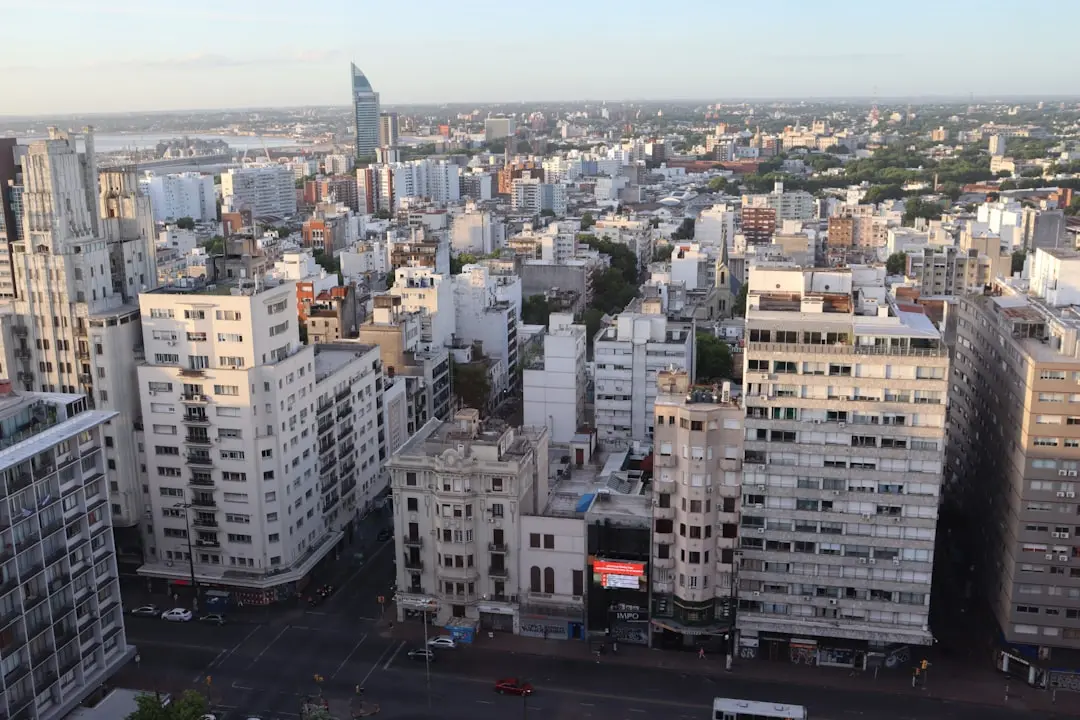
Montevideo Travel Costs in 2026: Backpacker, Nomad & Luxury Budgets
Uruguay · South AmericaMontevideo is Uruguay's relaxed coastal capital — safe, slow-paced, and full of mate-drinking locals and tango corners. August is off-season with lower prices, and the August 25 Independence Day celebrations bring parades and asados. Great for budget explorers, remote workers, and those seeking understated luxury.
Is Montevideo Expensive? The Short Answer
Montevideo is mid-range. At $32 a day for backpacker travel it undercuts 57% of the 399 destinations we track.
- A short trip of 4 nights costs about $128, excluding flights.
- A week costs about $224; a month is about $960.
- That works out at $32 a day for backpacker travel.
Living in Montevideo: Backpacker Guide for 2026
Montevideo might not top the backpacker bucket list, but this laid-back coastal capital rewards slow travelers with tango corners, mate-fueled parks, and a genuinely local vibe. August is winter and gloriously off-season: hostels are quiet, prices drop, and you can enjoy the Rambla's sea breeze without the crowds. Uruguay's Independence Day on August 25 brings parades, street concerts, and communal asados — a perfect time to meet locals and fellow travelers alike.
First, the budget essentials. Hostel dorms hover around $12-15 US per night in Ciudad Vieja or Cordón, and a few include basic breakfast. Eat like a local: grab a chivito (the national steak sandwich) for $6-8, snack on empanadas from bakeries, and never miss a $2 cup of 'submarino' or café con leche at an old-school coffee house. Many hostels have kitchens, so hit the Mercado del Puerto mid-week for cheaper cuts of beef and grill up your own asado. Free activities are abundant: walk the Rambla from Pocitos to the old city, climb the Cerro for sunrise, tour the Mercado Agrícola on a gossipy afternoon, and visit the Museo del Carnaval on its free-entry day.
Cordón is your best budget base: student-filled, full of cheap eateries and the massive Tristán Narvaja flea market on Sundays. Ciudad Vieja is more atmospheric but watch your pockets at night; Pocitos is safe and calm but pricier. In all three, you can live on a tight budget of around $30-35 a day if you cook some meals and walk everywhere.
Money-saving tips: take overnight buses rather than domestic flights, buy groceries at discount hours, refill your mate rather than buying coffee, and check Hostelworld for last-minute deals. Montevideo won't blow you away like Medellín, but its slow rhythm, friendly people, and real Uruguayan culture make it a satisfying, low-key stop on any South American route.
How Much Does Montevideo Cost? Daily and Monthly Budget
| Travel style | Day | Week | Month |
|---|---|---|---|
🎒BackpackerHostels, street food, public transport | $32/day | $224/week | $960/month |
💻Digital NomadPrivate room, cafes, coworking spaces | $45/day | $315/week | $1350/month |
✨LuxuryHotels, fine dining, private transfers | $200/day | $1400/week | $6000/month |
Internet Speed in Montevideo for Remote Work
Where to Stay in Montevideo: Best Neighborhoods
Pocitos
$An upscale beachfront neighborhood with a relaxed vibe, safe streets, and plenty of cafes and restaurants. It's popular with expats and digital nomads, offering ocean views and easy access to the Rambla.
Ciudad Vieja
$The historic old town, full of colonial architecture, museums, and tango culture. It has a lively daytime atmosphere but empties at night, so exercise caution. A great base for budget travelers and culture seekers.
Cordón
$A student-filled, artsy district near the university, with affordable hostels, cheap eateries, and the massive Tristán Narvaja flea market on Sundays. It's the best budget base in Montevideo.
Palermo
$An emerging, artsy barrio with street art, vinyl shops, and local breweries. It's slightly cheaper than Pocitos and offers a more local, bohemian feel, though it's less touristy.
Weather in Montevideo This Week
Pros and Cons of Living in Montevideo
Pros
- +High safety ranking for South America
- +Scenic Rambla coastal promenade
- +Rich cultural heritage (tango, candombe)
- +Excellent beef and local wine (Tannat)
- +Friendly, welcoming locals
- +Great public transport and affordable taxis
- +Free or cheap museums and markets
- +Calm, noise-free neighborhoods like Pocitos
- +Stable, progressive economy
- +Easy day trips to Colonia and Punta del Este
Cons
- -Winter months (June-Aug) can be windy and damp
- -Petty crime in tourist hotspots
- -Not a party destination
- -Spanish-only signage in many places
- -Internet speeds vary in older buildings
- -Prices higher than neighboring Argentina
- -Limited rooftop pools/beach clubs
- -Some areas feel deserted at night
Montevideo FAQ: What Travelers Ask Most
Montevideo is generally safe, especially in Pocitos, Carrasco, and Punta Carretas, with a lower violent crime rate than many regional cities. Petty theft is the main issue in Ciudad Vieja and around the port during busy hours — keep your phone zipped and avoid flashing valuables. Use regulated taxis or ride-hailing after dark, particularly in the old city.
The shoulder seasons of spring (October-November) and fall (March-April) are ideal, with warm days and fewer crowds. Summer (December-February) brings beach crowds and higher prices, while winter (June-August) is cool but a bargain for budget travelers. If you're visiting in August, the Independence Day celebrations on August 25 add a festive touch.
Most US, Canadian, EU, Australian, and many Latin American citizens can stay up to 90 days without a visa. Always check the latest rules with Uruguay's Dirección Nacional de Migración, as some nationalities need a consular visa. Overstay fines are stiff, so keep track of your entry date.
Fiber connections are common in new buildings, with average download speeds around 50-70 Mbps and uploads of 20-30 Mbps. Central neighborhoods like Cordón and Pocitos have the best coverage, and several coworking spaces offer 100 Mbps dedicated lines. Some older apartments rely on older DSL, so ask before booking.
Yes — the city is stable, safe, and has solid fiber internet, though it lacks the dedicated nomad hubs of Lisbon or Chiang Mai. Coworking options like Sinérgica and places in Pocitos make a comfortable base, and Uruguay's small digital nomad community is welcoming. You'll need to handle residency paperwork if staying longer than 90 days.
It's modest but friendly: expect a handful of sociable hostels in Ciudad Vieja and Cordón, with nightly dinners and casual bar crawls. You won't find the mega-hostel parties of Buenos Aires, but the relaxed mood makes meeting other travelers easy. The city rewards slow travelers with free museums, parks, and a genuine local feel.
Budget backpackers can get by on $30-35 a day with dorm beds and market meals. Digital nomads renting an apartment and coworking should plan on $45-60 a day, while luxury visitors will spend $150-250 for top hotels and fine dining. Costs are a bit higher than Buenos Aires but much lower than Europe or North America.
Cities Near Montevideo
The closest destinations across the border, with distance and daily cost
Best Places to Visit in South America
Top-scoring destinations in the same part of the world.
Quick Facts
- Global Rank
- #129 of 399
- Rank in Uruguay
- #1 of 2
- Region
- South America
- Timezone
- Montevideo
- Weather
- 11.3°C · Mist
- Backpacker
- $32/day
- Digital Nomad
- $45/day
- Luxury
- $200/day
- Monthly (backpacker)
- $960
- Download
- 60 Mbps
- Upload
- 25 Mbps
Score by Travel Style
Do You Need a Visa for Montevideo?
Most North American, European, and many Latin American passport holders enter Uruguay visa-free for up to 90 days as tourists. Some nationalities may require a consular visa; check with the Uruguayan Ministry of Foreign Affairs. Extensions may be possible through Dirección Nacional de Migración for a fee.
Is Montevideo Safe?
Montevideo is one of South America's safer capitals, though petty theft and pickpocketing occur in crowded areas like Ciudad Vieja and the central market. Avoid walking alone late at night in the old city and keep valuables out of sight. Use registered taxis or ride-hailing after dark.