
Quito Travel Costs in 2026: Backpacker, Nomad & Luxury Budgets
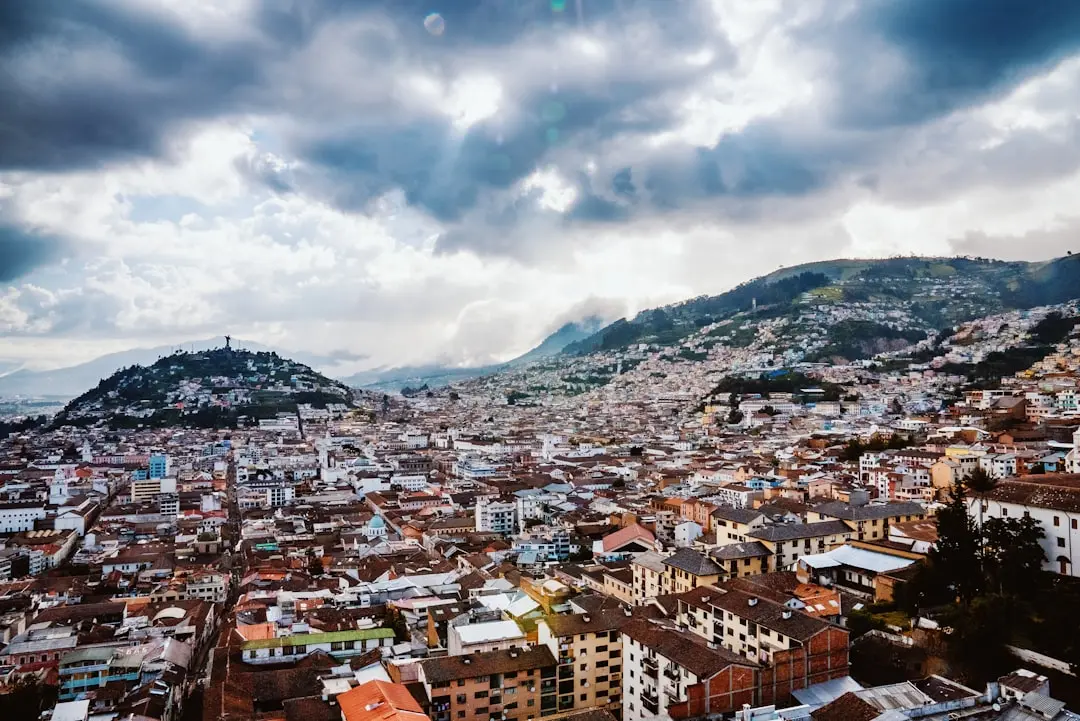
Ecuador · South AmericaAugust is an ideal month to visit Quito—dry-season sunshine and celebrations marking Ecuador's independence are in full swing. Join street parades in the historic district, then catch the Teleférico for breathtaking views of Cotopaxi.
Is Quito Expensive? The Short Answer
No — Quito is cheap. At $25 a day for backpacker travel it undercuts 83% of the 399 destinations we track.
- A short trip of 4 nights costs about $100, excluding flights.
- A week costs about $175; a month is about $750.
- That works out at $25 a day for backpacker travel.
Living in Quito: Backpacker Guide for 2026
Welcome to Quito, the 'Middle of the World' where your dollar travels further than your altitude sickness. Right now, August festivities keep the colonial streets busy with marching bands and Indigenous dances, and the dry season blesses you with crisp, cloud-free mornings for snapping photos of Cotopaxi in the distance. This city is not just a stopover—it's an adventure hub that sets you up for the Galápagos, the Amazon, and the Avenue of the Volcanoes without emptying your savings first.
For head-to-head extremes, La Mariscal is the classic party-and-backpack block: dorms from $8 to $12, rooftop bars where solo travelers instantly meet, and exchange-your-stories hostels like Secret Garden and Community Hostel. Feed yourself on $1 empanadas, $2.50 almuerzos (soup, main, juice), or roast pork from markets like Mercado Central. The free walking tour through Centro Histórico—UNESCO complex—reveals churches, plazas, and the best views of the Panecillo hill.
Where you sleep changes the vibe. La Mariscal = social and loud. For a fraction more privacy, La Floresta has indie cafes, murals, and mountain vibes for $12-15 dorm beds. If you really want to wake up among history, a basic room in Centro Histórico costs $10-15 and you'll have La Catedral for early morning. Avoid chain restaurants; locals eat at mercado stalls or small 'cocinas' hiding behind doorways.
Budget daily: $15 on food, $10 on lodging, $2-3 on buses/teleférico, and $5 for museums/beer—total $32 if you're wild, under $25 if you're careful. Freebies: hike Pichincha from cable car (or take it up cheap), wander El Panecillo, join the Sunday cycling day, attend free concerts at Alameda. Buy juice in big bags, use water refills, and never exchange money at airports. Quito rewards slow travelers—those who stay a week will leave with money and stories.
How Much Does Quito Cost? Daily and Monthly Budget
| Travel style | Day | Week | Month |
|---|---|---|---|
🎒BackpackerHostels, street food, public transport | $25/day | $175/week | $750/month |
💻Digital NomadPrivate room, cafes, coworking spaces | $65/day | $455/week | $1950/month |
✨LuxuryHotels, fine dining, private transfers | $250/day | $1750/week | $7500/month |
Internet Speed in Quito for Remote Work
Where to Stay in Quito: Best Neighborhoods
La Mariscal
$The classic traveler hub packed with hostels, rooftop bars, and budget eats. It's noisy at night and filled with souvenir shops, but it's the easiest place to meet backpackers.
Centro Histórico
$A UNESCO maze of colonial churches, cobblestones, and artisan markets. Stay here for sunrise photos and a more local experience; accommodation is sparse but atmospheric.
La Floresta
$Quito's artsy, quiet alternative with murals, indie cafés, and tree-lined streets. Perfect for nomads and creative travelers looking for calm.
Cumbayá
$$Upscale suburb with gated communities, modern malls, and excellent security. Best for nomads who prioritize comfort and easy airport access.
Weather in Quito This Week
Pros and Cons of Living in Quito
Pros
- +Insanely cheap daily costs for a capital city
- +Historic center: best-preserved colonial old town in South America
- +Stunning Andes backdrop, day trips to Cotopaxi, Quilotoa
- +Safe tourist neighborhoods with visible police presence
- +Excellent street food and hearty local markets
- +Easy 90-day visa-free entry for many passports
- +Great opportunities to meet travelers and locals
- +Dry-season August offers clear skies and cool temps
- +Cultural festivals with parades and live music around Independence Day
- +Good internet in central zones; growing coworking scene
Cons
- -Altitude (2,850 m) can cause headaches and fatigue; need time to acclimatize
- -Street pickpocketing is common in crowded areas; be careful at night
- -Public transportation can be confusing; over-regulation of taxis
- -Air pollution in the valley on some days
- -Not a huge five-star luxury scene; limited upscale dining choices
- -Nomad community is smaller than Medellín or Mexico City
- -Evening safety drops outside of famous squares
- -Weather swings: sunny to chilly within hours, bring layers
- -Bank cards can have fees; cash dependency for small purchases
- -English is not widely spoken beyond tourist zones
Quito FAQ: What Travelers Ask Most
Quito is safe in daytime tourist areas, with visible police in the old town and La Mariscal. Pickpocketing and phone snatching happen in crowded markets; avoid walking alone late at night in quiet neighborhoods. Keep valuables in a zipped pocket and use reliable taxis.
June through September is the dry season with clear skies and great volcano views—perfect for festivals like August independence parties. March to May brings rain and can obscure mountain views, while December's Fiestas de Quito is lively but cold.
Many nationalities including the US, Canada, and EU countries enter Ecuador visa-free for 90 days. You can apply to extend or leave and re-enter to start a new period. Check with the Ecuadorian consulate for your specific passport.
Fiber connections in the city centre range from 60-100 Mbps download, with average upload around 35 Mbps. The reliability is good during the dry season, but possible rain-related outages occur west of the city. Use a coworking space or café for backup.
Yes, digital nomads can stay up to 90 days visa-free and use coworking spaces and cafés in La Floresta and La Mariscal. Costs are extremely low—an apartment can be found for $500-800/month. The main barriers are altitude and occasional internet fluctuations, both manageable.
It's active but not as intense as Cusco or Buenos Aires. La Mariscal is still a hub for hostel-hopping, free walking tours, and weekend meetups. Head to Secret Garden or Community Hostel for social energy with a mix of European and American travelers.
Backpackers can live on $22-28/day with dorms and street food; nomads typically budget $1,200-1,400/month for rent, coworking, and eating out; luxury travelers will spend $250+/day for boutique hotels and fine dining. All are dramatically cheaper than in North America or Europe.
Cities Near Quito
The closest destinations across the border, with distance and daily cost
Best Places to Visit in South America
Top-scoring destinations in the same part of the world.
Quick Facts
- Global Rank
- #57 of 399
- Rank in Ecuador
- #1 of 3
- Region
- South America
- Timezone
- Guayaquil
- Weather
- 10.9°C · Patchy rain nearby
- Backpacker
- $25/day
- Digital Nomad
- $65/day
- Luxury
- $250/day
- Monthly (backpacker)
- $750
- Download
- 80 Mbps
- Upload
- 35 Mbps
Score by Travel Style
Do You Need a Visa for Quito?
Many nationalities (US, EU, Canada) enter Ecuador visa-free for up to 90 days and can request a one-time extension. Overland border runs also reset the clock. Verify your nationality with the Ecuadorian consulate.
Is Quito Safe?
Quito requires standard urban caution, especially at night in La Mariscal and crowded bus terminals. Most tourist areas are fine; avoid walking alone after dark.