

Uruguay Travel Costs in 2026
South America2 destinations to explore. Daily costs average $31 with internet speeds around 60 Mbps and a safety rating of 8.3/10.
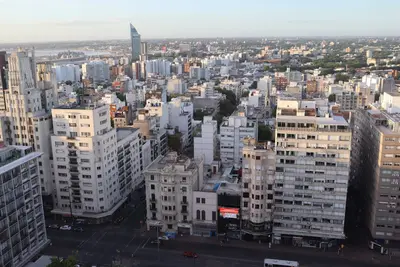
Montevideo is Uruguay's relaxed coastal capital — safe, slow-paced, and full of mate-drinking locals and tango corners. August is off-season with lower prices, and the August 25 Independence Day celebrations bring parades and asados. Great for budget explorers, remote workers, and those seeking understated luxury.
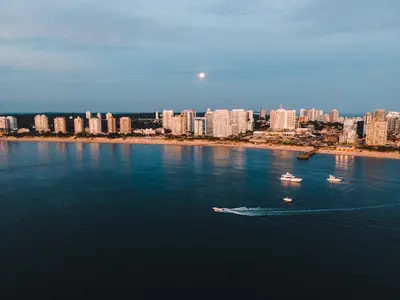
Punta del Este in August is a quiet coastal escape with low prices and empty sands — the opposite of its wild summer scene. Winter chills the air, but the upcoming La Noche de la Nostalgia (Aug 24) brings a retro party vibe to this exclusive Uruguayan resort.
Uruguay Travel Costs at a Glance
- Uruguay currently has 2 indexed destination pages on this site.
- Average daily cost for backpacker travel is about $31, with an average score of 6.4/10.
- Top-rated city is Montevideo and the most affordable option is Punta del Este.
- Average fixed internet speed is 60 Mbps and safety is 8.3/10 based on current dataset values.
Is Uruguay Expensive?
Yes, Uruguay is expensive by South American standards, and the numbers back that up. A backpacker here spends around $31 per day, or $930 a month, while digital nomads should budget closer to $58 per day ($1,740 a month). At the top end, luxury travellers can easily burn $225 per day, for a monthly outlay of $6,750. These figures put Uruguay above neighbors like Argentina and Brazil.
Why is the floor so high? Uruguay is a small country that imports a large share of its food, fuel, and consumer goods, and it pays relatively high wages, which inflates everything from a beer to a bus ticket. The tourism infrastructure is solid and safe but not cheap; accommodation, eating out, and transport all carry a premium. The currency, the Uruguayan peso, has been fairly stable lately, but that also means prices don't drop suddenly for foreigners. Even the cheaper destinations like Punta del Este hover near $30 a day for hostel life, so there's no real way to get the rock-bottom costs you'd find in Bolivia or Peru.
That said, Uruguay offers value in its safety, reliability, and high standard of service, which can be worth the extra money. If you're used to paying North American or Western European prices, it will feel moderate; if you're coming from other parts of South America, it will feel steep. Plan for the higher daily numbers and you won't be caught off guard.
How Much Does It Cost to Travel in Uruguay?
Within Uruguay, the numbers are remarkably consistent, but there are differences. The site's cheapest destination is Punta del Este, where a backpacker can scrape by on $30 per day, while Montevideo costs just slightly more at $32. That $2 gap seems tiny, but it reflects different dynamics: Punta del Este is a beach resort that fills with summer crowds and heavy demand, yet it also has a larger stock of hostels and shared apartments that keep the budget floor low. Montevideo, as the capital, has a more diversified economy, and its everyday prices for food, transport, and accommodation are stubbornly high all year.
For a realistic travel budget, plan on $30–35 a day as a budget traveller if you stay in hostels, cook some meals, and use buses. A mid-range traveller comfortable with private rooms and eating out should expect to pay $60–100 per day, while those looking for comfort and some extras can easily spend $150 to the $225-per-day luxury average. The gap between the two destinations is rarely the deciding factor; what matters is season and the type of accommodation you choose.
If you're watching money, both cities allow you to live cheaply, especially if you book ahead, visit outside January, and take advantage of the excellent and affordable local buses and counter-service restaurants.
Best Time to Visit Uruguay
The biggest price swings in Uruguay come from season and holidays. Summer, December through February, is peak season, and Punta del Este becomes one of South America's most expensive stretches of coast — hotels and apartments can triple their rates in January. Montevideo also sees higher demand, though it's less extreme. The weather is warm and sunny, ideal for the beach, but if you're on a budget, this is the worst time to visit.
The best value window is the shoulder season: October–November and March–April. Temperatures are still pleasant — 15–25°C — and beaches are accessible, but prices drop sharply and crowds vanish. You'll find fewer people, more availability, and rates that may be half of what they are in January. For a budget traveller, these months are the sweet spot.
Keep in mind Uruguay's carnival celebrations in February and the Easter week (Semana Santa) in March or April, when domestic tourists flood the coast and accommodation can spike for a few days. If you visit during those periods, book way ahead or accept higher prices. Winter (June–August) is cheaper still, but the weather can be cold and damp, especially in Montevideo; you'll save money but may sacrifice beach days.
Getting Around Uruguay
Getting between Montevideo and Punta del Este is straightforward. The most practical option is the long-distance bus: comfortable coaches run by companies like COT and COPSA leave Montevideo's Tres Cruces terminal regularly and take about two and a half hours, with fares around $15–20 one-way. That's a reasonable component cost for the budget figures above. You can also rent a car at the airport or in the city — expect $60–80 per day including insurance, though fuel is pricey. Driving on the main route (Interbalnearia) is easy, but parking in Punta del Este in summer is a hassle.
A domestic flight between the two is possible but not worth it; the hop is less than an hour and rarely cheaper than the bus once you factor in airport transfers and security time. For travel further afield, like to Colonia del Sacramento, the bus is fine as well, and the ferry across from Buenos Aires to Montevideo or Colonia is a popular entry point.
Within Montevideo and Punta del Este, local buses are cheap (around $1) and cover most areas, but for beach hopping in Punta del Este, walking or cycling in summer is often easier. Ride-hailing apps like Uber are available in both cities and are reasonably priced, especially compared to taxis.
Visas, Money and Entry Rules for Uruguay
Many travellers can enter Uruguay without a visa. Citizens of the United States, Canada, the European Union, Australia, New Zealand, and most Latin American countries receive a 90-day tourist stamp on arrival, which can often be extended for another 90 days at the immigration office. A few nationalities need a consular visa in advance, so check with the Uruguayan embassy before booking. You should also be ready to show proof of onward travel and evidence of sufficient funds; this is rarely asked, but it can be at the border.
The currency is the Uruguayan peso (UYU). Cards are widely accepted in hotels, restaurants, and supermarkets in Montevideo and Punta del Este, but cash is still king for small shops, street stalls, and local buses. ATMs are everywhere but carry high fees — often $3–6 per withdrawal — and some machines limit you to a paltry amount. Bring a card that reimburses ATM fees, and take out larger sums less frequently. Currency exchange shops offer better rates than banks or airports.
Tipping norms are moderate: 10% is customary in restaurants when service isn't included, and there's no need to tip taxi drivers or bar staff beyond rounding up. Watch out for 'blue' dollar schemes from neighboring Argentina — Uruguay uses a single official exchange rate, and any 'black market' deal is a scam.
All Destinations in Uruguay
 🇺🇾
🇺🇾Montevideo
6.6 · GoodMontevideo is Uruguay's relaxed coastal capital — safe, slow-paced, and full of mate-drinking locals and tango corners. August is off-season with lower prices, and the August 25 Independence Day celebrations bring parades and asados. Great for budget explorers, remote workers, and those seeking understated luxury.
 🇺🇾
🇺🇾Punta del Este
6.2 · GoodPunta del Este in August is a quiet coastal escape with low prices and empty sands — the opposite of its wild summer scene. Winter chills the air, but the upcoming La Noche de la Nostalgia (Aug 24) brings a retro party vibe to this exclusive Uruguayan resort.