
Chile Travel Costs in 2026
South America2 destinations to explore. Daily costs average $32 with internet speeds around 130 Mbps and a safety rating of 6.5/10.
August in Valparaíso means foggy coastal mornings, quiet cerros, and low-season prices—soak up the street art and bohemian cafés before Fiestas Patrias (Sept 18) turns the city into a patriotic party. Explore Pablo Neruda's La Sebastiana, ride the funiculars, and plan a Casablanca wine day trip.
August in Valparaíso means foggy coastal mornings, quiet cerros, and low-season prices—soak up the street art and bohemian cafés before Fiestas Patrias (Sept 18) turns the city into a patriotic party. Explore Pablo Neruda's La Sebastiana, ride the funiculars, and plan a Casablanca wine day trip.
Chile Travel Costs at a Glance
- Chile currently has 2 indexed destination pages on this site.
- Average daily cost for backpacker travel is about $32, with an average score of 7.3/10.
- Top-rated city is Valparaiso and the most affordable option is Valparaiso.
- Average fixed internet speed is 130 Mbps and safety is 6.5/10 based on current dataset values.
Is Chile Expensive?
Yes, Chile is expensive compared with the rest of South America, and your daily budget will be biggest in Santiago and the Lake District. The site's average figures put backpackers at $32 per day, digital nomads at $60 per day, and luxury travellers at $240 per day. That spread reflects a country with high income levels, imported goods, and a tourism economy that prices for a domestic middle class and a steady flow of remote workers. A simple hostel bed in Santiago runs $12–$18, a subway ticket about $1.20, and a set lunch from a local café about $8–$10. Coffee from a specialty shop? $3.50 or more.
The reason Chile sits above Peru and Bolivia is structural: nearly everything is imported or produced with expensive energy, and the peso has stayed firm against the dollar in 2025–2026. The long, isolated geography means transport links are costly, and even mundane items like sunscreen or a bus ticket include fuel and logistics that raise the base price. So while you can keep days lean, $32/day is a realistic floor for backpackers who shop at markets and stay in dorms. If you want private rooms and restaurant meals daily, plan on $60–$100/day, which matches the site's digital-nomad average. Luxury travellers paying $240/day are getting boutique hotels, guides, and full-table service.
How Much Does It Cost to Travel in Chile?
Inside Chile, the price gap between the two destinations this site covers is easy to see. Valparaíso is the cheaper base at $25/day backpacking, while Santiago is the priciest at $38/day backpacking — a 52% difference that comes down to accommodation and dining. In Valparaíso, a dorm bed costs $10–$12, a hearty empanada is $2.50, and a liter of beer in a pub runs about $4. In Santiago, the same dorm bed is $14–$20, a restaurant main course $12–$15, and a mojito easily $8. The capital's concentration of remote workers and the tech sector pushes up anything attached to the city's core, especially in Providencia, Bellas Artes, and Lastarria.
For a realistic mid-range daily budget, think $70–$100 per day. That buys a private room in a decent B&B, a couple of Uber rides, and meals in normal restaurants. The high end — comfort travel — starts around $150/day, and $240 gets you a luxury hotel, guided day trips, and no worry about the bill. The overall average for backpackers across the country is $32/day, meaning you'll balance cheaper days in Valparaíso with pricier ones in Santiago or excursions to the Andes. If you skip the expensive ski weekends and stay outside the central business district, you can stretch $32 further than you'd think.
Best Time to Visit Chile
The cheapest window to travel is roughly mid-March through November, outside the southern summer and fixed school holidays. In Santiago and Valparaíso, you'll find shoulder-season prices from April to June and again in September to November: hostels drop to the $10–$14 range, and flights within Chile are less crowded. The weather in central Chile during these months is pleasant — cool nights, warm afternoons, and low rain — so you don't sacrifice much by avoiding December to February, when the coast gets crowded with Argentine families and the capital heats up.
Two periods spike prices hard. The first is the summer peak, from late December through February, when a dorm in Valparaíso can jump to $18–$22 and beach towns are booked out. The second is Fiestas Patrias on 18 September each year, when Chileans celebrate independence with asados and foot-long flags — Santiago's hotels fill up and daily rates double. If you want the best balance of weather and cost, aim for April or October. You'll get sunny days in Valparaíso and mild evenings in Santiago, and you'll pay roughly 25% less on accommodation than you would in January.
Getting Around Chile
Santiago and Valparaíso are only 115 kilometres apart, and the most practical way to move between them is by bus or car. Pullman Bus and Turbus run direct services from Santiago's Pajaritos terminal to Valparaíso's terminal every 15–30 minutes; the trip takes about 1 hour 45 minutes and costs $8–$12 one way. If you prefer to drive, a rental car in Santiago starts around $45 per day with insurance, and the highway is fast and well-marked — but you'll often pay more for parking in Valparaíso's steep hill neighbourhoods than for fuel. There's no rail link, so bus is the default.
For longer hops, like Santiago to Patagonia or the Atacama Desert, domestic flights are the realistic option: a one-way to Puerto Natales runs $80–$150 on LATAM or Sky Airline if you book in advance, while the same overland trip would take three days and cost almost as much. Within Santiago, the Metro is cheap ($1.20), safe, and efficient; in Valparaíso, use the trolley buses and ascensores. When comparing budgets, remember that ground transport between these two cities is a tiny part of your daily spend, but internal flights to distant regions are often the single biggest line item after accommodation.
Visas, Money and Entry Rules for Chile
Most visitors from the United States, Canada, the United Kingdom, Australia, and the European Union enter Chile as tourists without a visa and receive a 90-day stay on arrival. The passport simply needs six months' validity and one blank page; there's no fee, and you're rarely asked for proof of onward travel, though carrying a paid exit ticket is wise. If you want to stay longer, you can extend once for another 90 days at the PDI office in Santiago or Valparaíso for roughly $100, but it's easier to cross into Argentina and come back if you need a fresh stamp.
The local currency is the Chilean peso (CLP), and ATMs in both cities are everywhere. Cards are accepted in almost all shops, restaurants, and taxis, but you'll want cash for the fruit markets, craft stalls, and tiny mom-and-pop kiosks that cluster around Valparaíso's funiculars. Watch the ATM fee: BancoEstado charges a flat fee around $5 for foreign cards, and the exchange rate used by the machine is often 1–2% below the interbank rate. Server tip is usually included in the bill as servicio (around 10%), so you only leave a couple of coins for excellent service. A common trap is paying with US dollars in small shops — they'll give you a poor rate; stick to pesos or use a card.
All Destinations in Chile
 🇨🇱
🇨🇱Valparaiso
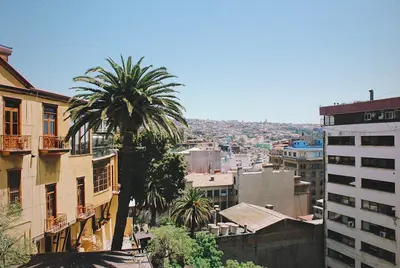
7.4 · GreatAugust in Valparaíso means foggy coastal mornings, quiet cerros, and low-season prices—soak up the street art and bohemian cafés before Fiestas Patrias (Sept 18) turns the city into a patriotic party. Explore Pablo Neruda's La Sebastiana, ride the funiculars, and plan a Casablanca wine day trip.
 🇨🇱
🇨🇱Santiago
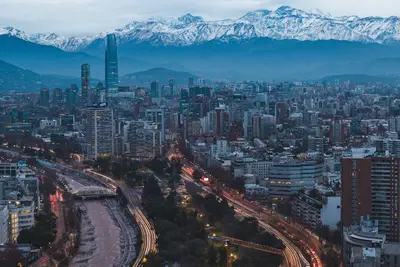
7.2 · GreatSantiago in August is crisp and clear, with the Andes looming over the city and ski season in full swing nearby. The upcoming Fiestas Patrias in mid-September adds a festive pre-holiday energy, while current off-peak prices make it a smart time to explore wine valleys and mountain adventures.