
Santiago Travel Costs in 2026: Backpacker, Nomad & Luxury Budgets
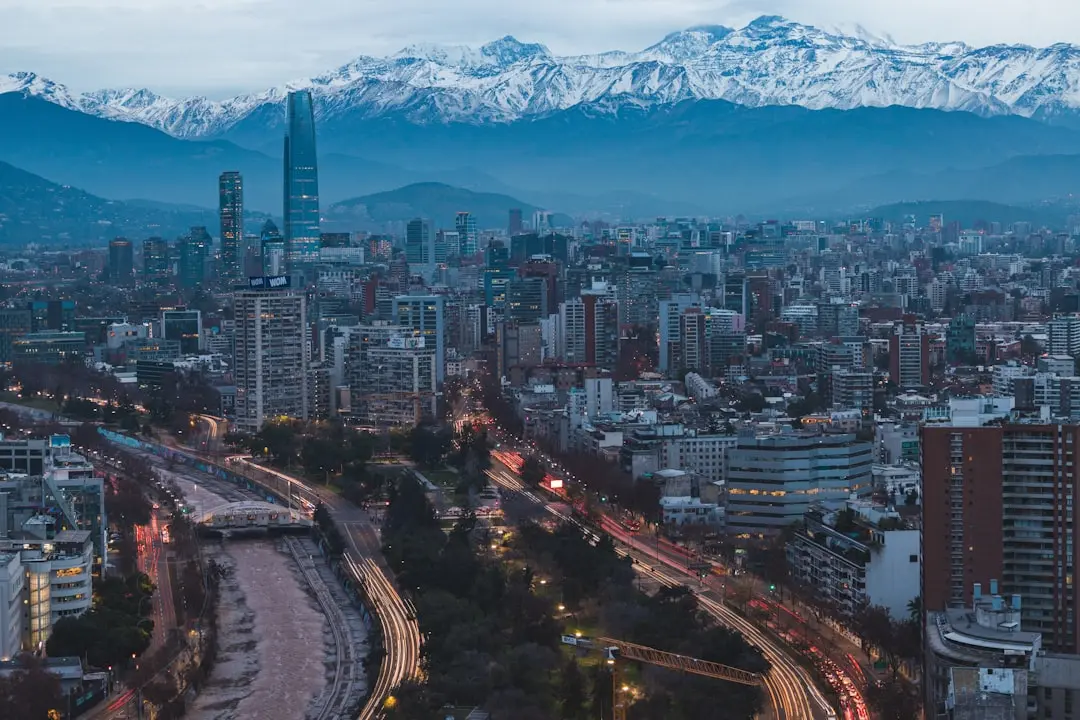
Chile · South AmericaSantiago in August is crisp and clear, with the Andes looming over the city and ski season in full swing nearby. The upcoming Fiestas Patrias in mid-September adds a festive pre-holiday energy, while current off-peak prices make it a smart time to explore wine valleys and mountain adventures.
Is Santiago Expensive? The Short Answer
Santiago is mid-range. At $38 a day for backpacker travel it costs more than 50% of the 399 destinations we track.
- A short trip of 4 nights costs about $152, excluding flights.
- A week costs about $266; a month is about $1140.
- That works out at $38 a day for backpacker travel.
Living in Santiago: Backpacker Guide for 2026
Santiago isn't the obvious first stop in South America, but for budget travelers it's a clever one: Chile's capital sits in a dramatic mountain bowl, boasts clear winter days, and offers a hostel scene that feels safe and organized compared to some Latin American hubs. Right now in August, the ski vibe along the Andes is in full swing, and by mid-September the entire city ramps up for Fiestas Patrias with ramadas, cueca dancing, and street asado.
Hostels cluster in Bellavista and Lastarria, where dorms go for $12–18 including breakfast. For food, hit La Vega and the Central Market for a pastel de choclo, a completo loaded with avocado and mayo, or a hearty paila marina. Many museums, including the Museum of Memory and Human Rights, are free on certain days, and a hike up Cerro San Cristóbal rewards you with postcard views of the Andes.
You'll want a base near Plaza Italia, where Bellavista, Lastarria, and Providencia meet. Barrio Brasil offers grittier budget digs and street art, while Providencia is safer but pricier. Either way, the clean Metro connects everything for about $1 per trip, and walking is easy in the flat central neighborhoods.
Daily costs can stay around $35–40: $15 for a bed, $10 for meals, $5 for transport, and $5–10 for activities. Save by ordering lunch-time menús, which run $6–8, and buying snacks at supermarkets. Santiago won't give you the party-hard backpacker scene of Cusco, but its outdoor energy, easy day trips to Valparaíso and the Maipo Valley, and the upcoming national holiday make it an underrated, steady-value stop on the gringo trail.
How Much Does Santiago Cost? Daily and Monthly Budget
| Travel style | Day | Week | Month |
|---|---|---|---|
🎒BackpackerHostels, street food, public transport | $38/day | $266/week | $1140/month |
💻Digital NomadPrivate room, cafes, coworking spaces | $75/day | $525/week | $2250/month |
✨LuxuryHotels, fine dining, private transfers | $280/day | $1960/week | $8400/month |
Internet Speed in Santiago for Remote Work
Where to Stay in Santiago: Best Neighborhoods
Bellavista
$Bellavista is Santiago's bohemian heart, filled with street art, craft breweries, the famous La Chascona house of Pablo Neruda, and a lively nightlife. It's affordable and social, making it the top pick for backpackers who want to meet people. Weekends get noisy, but the energy is infectious.
Lastarria
$Lastarria is a refined, walkable quarter of Parisian-style buildings, artisan shops, boutique hotels, and sidewalk cafés. It's slightly pricier than Bellavista but still charming for nomads and luxury travelers who love culture. It sits a short walk from the main museum mile and Cerro Santa Lucía.
Providencia
$$Providencia is a safe, well-connected commercial hub with a mid-range-to-upscale feel. It has the greatest concentration of coworking spaces and cafes, making it ideal for digital nomads. The streets are tree-lined and clean, and the Metro clicks directly toward the city center.
Vitacura
$$Vitacura is Santiago's upscale leafy district, home to luxury hotels, high-end restaurants, and Parque Arauco mall. It feels more like a quieter European suburb than a Latin American capital, perfect for luxury travelers and families wanting exclusive stays. It's farther from the lively center but still accessible.
Weather in Santiago This Week
Pros and Cons of Living in Santiago
Pros
- +Excellent metro system that's cheap and safe
- +Great base for Andes skiing and trekking
- +Reliable, fast internet for remote work
- +Outstanding wine country and brewery scene nearby
- +Clean, organized city with fewer tourist crowds
- +Strong hostel network in Bellavista and Lastarria
- +Numerous free museums and green spaces
- +Good safety record compared to regional capitals
- +Fiestas Patrias in September brings lively culture
- +Cost of living is lower than in Europe or North America
Cons
- -Winter days can be hazy and cold (June-August)
- -Earthquake risk requires awareness and preparation
- -Nightlife is less wild than Buenos Aires or Rio
- -Spanish is essential outside tourist areas
- -Pollution spikes in winter months
- -Some central neighborhoods feel gritty after dark
- -Long distances to other Chilean attractions (Patagonia, Atacama)
- -Rent for decent apartments is moderate, not super cheap
- -Exchange rates can fluctuate with political uncertainty
- -Limited street-vendor culture compared to Mexico or Peru
Santiago FAQ: What Travelers Ask Most
Santiago is generally safe for tourists as long as you take standard precautions: avoid dimly lit side streets at night in the downtown 'Centro' area, watch for pickpocketing on crowded Metro platforms, and use reputable transit. Tourist zones like Lastarria, Providencia, and Bellavista are well-patrolled and have a strong police presence.
The best months are October–November and March–April, when the weather is mild and the sky is clear. August brings cold but sun-filled days and great skiing in the nearby Andes, while the buildup to Fiestas Patrias in September adds a festive touch. High season is around these dates, so book accordingly.
U.S., Canadian, EU, Australian, and many Latin American passport holders get a 90-day tourist entry on arrival. If you plan to stay longer, Chile has created a temporary remote-working visa for digital nomads, but requirements and fees change frequently—confirm with the nearest Chilean consulate.
Santiago's fixed broadband is excellent, with fiber connections often exceeding 200 Mbps download and 80–100 Mbps upload. Coworking spaces and most cafés offer reliable wi-fi, making the city a solid digital nomad base. Mobile data is also strong and affordable.
Yes, working remotely in Santiago is very doable. You'll find plenty of coworking spaces, good coffee shops, reliable power, and a safe environment for late night coding. The main consideration is the 90-day visitor limit, which you can solve by applying for Chile's longer-term digital nomad visa.
The backpacker scene in Santiago is moderate but friendly: youth hostels in Bellavista and Lastarria host a steady trickle of travelers, and outdoor activities like skiing and hill climbing attract a social crowd. It's not a backpacker party town like Cusco, but you'll easily meet other solo travelers.
Budget travelers can manage on $35–40 a day with a hostel, street food, and public transport; nomads spending $75/day get a comfortable apartment, coworking access, and decent dining; luxury travelers should budget $250–350/day for a first-class hotel, fine dining, and premium activities.
Cities Near Santiago
The closest destinations across the border, with distance and daily cost
Best Places to Visit in South America
Top-scoring destinations in the same part of the world.
Quick Facts
- Global Rank
- #102 of 399
- Rank in Chile
- #2 of 2
- Region
- South America
- Timezone
- Santiago
- Weather
- 10.4°C · Overcast
- Backpacker
- $38/day
- Digital Nomad
- $75/day
- Luxury
- $280/day
- Monthly (backpacker)
- $1140
- Download
- 180 Mbps
- Upload
- 90 Mbps
Score by Travel Style
Do You Need a Visa for Santiago?
Most nationalities (US, Canada, EU, Australia) enter visa-free for up to 90 days as tourists. Longer stays are possible through Chile's temporary remote work visa for digital nomads, though requirements are updated frequently. Always check with a Chilean consulate before your trip.
Is Santiago Safe?
Santiago is generally safe, but use common sense: avoid deserted streets after dark in the far reaches of the center, watch for pickpocketing in crowded markets, and keep your wits on night buses. Most tourist neighborhoods like Lastarria and Providencia feel very safe.