
Bariloche Travel Costs in 2026: Backpacker, Nomad & Luxury Budgets
Argentina · South AmericaAugust in Bariloche means the Fiesta Nacional de la Nieve — powder days, artisan chocolate, and lake views. Adventurous backpackers, remote-friendly nomads, and high-end travelers all find their niche, though winter rates run steep.
Is Bariloche Expensive? The Short Answer
Bariloche is mid-range. At $45 a day for backpacker travel it costs more than 56% of the 399 destinations we track.
- A short trip of 4 nights costs about $180, excluding flights.
- A week costs about $315; a month is about $1350.
- That works out at $45 a day for backpacker travel.
Living in Bariloche: Backpacker Guide for 2026
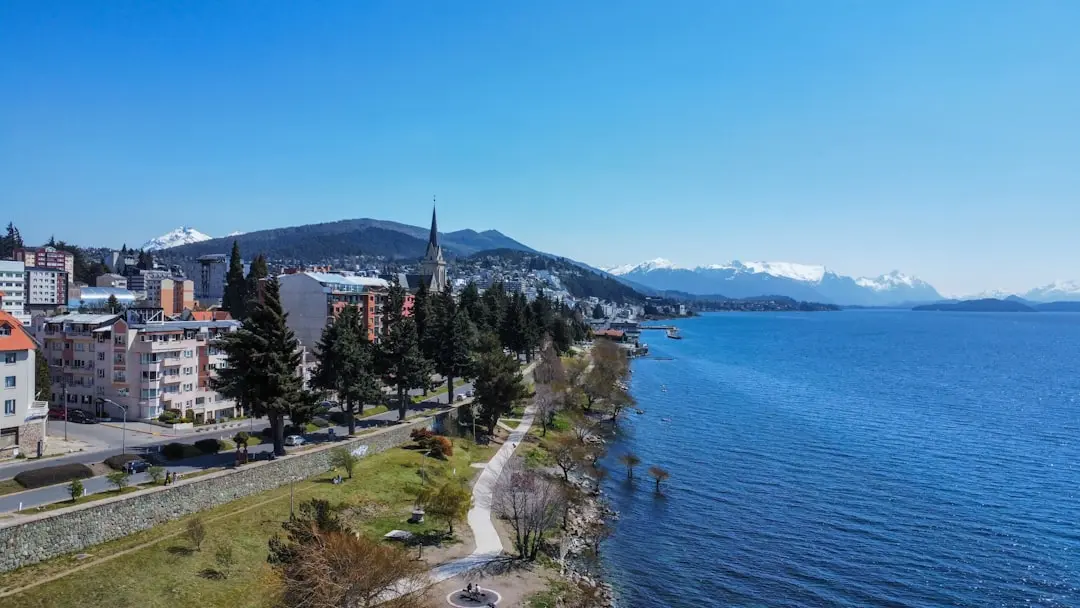
Bariloche in August is winter at full power—the southern hemisphere's biggest snow festival, the Fiesta Nacional de la Nieve, lights up the town, and Cerro Catedral's slopes are packed. Yet for budget travelers, this Patagonian paradise still offers incredible value if you know the tricks. The lake-mountain setting is stunning enough to make even expensive days feel rewarding.
That energy spills into a cozy backpacker scene. Centrally located hostels like Hostel Inn Bariloche, Pudu Hostel, and Patanuk Hostel offer dorms between US$15 and $25, often with kitchens, lockers, and common rooms perfect for swapping trail stories. Food is where you can save a fortune: hit the choripán carts on Mitre Avenue, split a parrilla plate at a local bodegón, and stock up on market-fresh bread, cheese, and yerba for hostel infusions. For dessert, a cone of artisan chocolate from Rapa Nui tastes even better after a day on the mountain. Best of all, many of the best views are free—walk the Circuito Chico scenic trail, ramble to Playa Bonita, or hike Cerro Otto for a panorama that rivals the pricey sunset bar.
Stay in Centro for convenience and nightlife, or cross to the quieter neighborhood of Belgrano, where hostels are cheaper and you can still walk to the lakefront in minutes. Dina Huapi, a 10-minute bus ride over the bridge, offers hostel dorms around US$12–15, though it’s a less atmospheric choice. If you crave nature, the Camping Municipal sites on the Peninsula are open for hardy souls with winter tents, but I’d stick to sturdy hostels.
Your daily budget will likely land at US$40–50: about $20 for a bed, $12–15 for street-food and market meals, $6–8 for local buses, and $10 to cover an occasional splurge like a ski resort lift ticket or a night of craft beer at Berlina. To make it stretch, cook dinner in hostel kitchens, buy the regional card for bus travel, and book activities like the snowcat ride through agencies rather than direct—you can sometimes shave 20% off. It's not Chiang Mai, but for Patagonia, Bariloche is a brilliant bargain.
How Much Does Bariloche Cost? Daily and Monthly Budget
| Travel style | Day | Week | Month |
|---|---|---|---|
🎒BackpackerHostels, street food, public transport | $45/day | $315/week | $1350/month |
💻Digital NomadPrivate room, cafes, coworking spaces | $85/day | $595/week | $2550/month |
✨LuxuryHotels, fine dining, private transfers | $300/day | $2100/week | $9000/month |
Internet Speed in Bariloche for Remote Work
Where to Stay in Bariloche: Best Neighborhoods
Centro
$The heart of Bariloche, along Mitre Avenue. Within walking distance to the lake, chocolate shops, hostels, restaurants, and bars. Price levels are mid-range and it's ideal for first-timers and social travelers.
Belgrano
$A quiet residential neighborhood just above Centro, offering budget-friendly hostels and local grocery stores. It's a short downhill walk to the waterfront and the Civic Center, making it perfect for budget travelers.
Peninsula San Pedro
$$The posh peninsula that hosts Llao Llao Hotel and several luxury lodges, surrounded by forest and lake views. It's secluded and expensive, but the privacy and scenery are unmatched.
Weather in Bariloche This Week
Pros and Cons of Living in Bariloche
Pros
- +Spectacular mountain and lake scenery
- +World-class ski slopes at Cerro Catedral
- +Great craft beer and artisan chocolate scene
- +Lively backpacker hostels and social atmosphere
- +Friendly local culture
- +Safer than larger Argentine cities
- +Favorable exchange rate for foreign currencies
- +Endless outdoor activities: hiking, biking, kayaking
- +Cozy winter festival vibe in August
- +Walkable city center
Cons
- -High tourist prices during peak winter season
- -Remote location; expensive flights from Buenos Aires
- -Winter weather can be harsh and unpredictable
- -Limited public transport to outer areas
- -Internet reliability drops during snowstorms
- -Crowds on ski weekends and festival week
- -Some hostels lack proper heating
- -Dining out can blow your budget quickly
- -Short daylight hours in winter
- -Petty theft in tourist-packed areas
Bariloche FAQ: What Travelers Ask Most
Bariloche is generally safe, with low violent crime, but pickpocketing can occur in crowded bus stops and markets. Avoid walking alone on deserted lake trails or dark outskirts at night, and keep valuables secure.
For skiing and the snow festival, June–August is ideal, with August being the peak winter party. Hiking and lake activities shine from November to March. Summer (January–February) is the most crowded and pricey, while autumn offers fewer people and mild temps.
Citizens of the US, EU, UK, Canada, and most Latin American countries enter Argentina visa-free for up to 90 days. Some nationalities pay a reciprocity fee online. For longer remote work, Argentina now offers a digital nomad visa.
In the city center, internet speeds average 40–60 Mbps download and 15–25 Mbps upload, suitable for video calls. Many coworking spaces and cafés offer fiber, but connectivity can dip during heavy snowstorms. A mobile hotspot is a good backup.
Yes, tourists can legally work remotely for up to 90 days without a permit. The city has several coworking spaces and a friendly nomad community. For longer stays, Argentina's digital nomad visa lets you live and work for up to one year.
Bariloche has a solid backpacker scene, with a handful of sociable hostels, communal kitchens, and organized tours. In winter, the ski crowd mixes with budget hikers, making it easy to meet people around a fireplace or hostel bar. It's not as big as Southeast Asia, but it's vibrant.
A backpacker can manage on $40–50 per day, a nomad will spend about $80–100, and luxury travelers should budget $300–400. These figures include accommodation, food, and basic transport, but ski passes and guided activities can add significantly.
Cities Near Bariloche
The closest destinations across the border, with distance and daily cost
Best Places to Visit in South America
Top-scoring destinations in the same part of the world.
Quick Facts
- Global Rank
- #119 of 399
- Rank in Argentina
- #3 of 4
- Region
- South America
- Timezone
- Buenos Aires
- Weather
- 2.7°C · Patchy rain nearby
- Backpacker
- $45/day
- Digital Nomad
- $85/day
- Luxury
- $300/day
- Monthly (backpacker)
- $1350
- Download
- 50 Mbps
- Upload
- 20 Mbps
Score by Travel Style
Do You Need a Visa for Bariloche?
Most passport holders (US, EU, UK, CA, LATAM) enter visa-free for 90 days. A reciprocal tourist fee may apply to some nationalities, so check current rules. Argentina also offers a digital nomad visa for longer stays.
Is Bariloche Safe?
Bariloche is generally safe with a low violent crime rate. Tourist areas are well policed, but pickpocketing occurs in crowded spots. Avoid isolated lake trails at night and keep valuables in your hostel locker.