

Brazil Travel Costs in 2026
South America5 destinations to explore. Daily costs average $30 with internet speeds around 68 Mbps and a safety rating of 5.6/10.
Florianopolis is Brazil's hidden beach paradise, offering cheap adventures, a growing nomad hub, and quiet luxury escapes. In August, the low season brings lower prices and raw, surf-worthy waves, with no major festivals but a cozy local vibe.
Florianopolis is Brazil's hidden beach paradise, offering cheap adventures, a growing nomad hub, and quiet luxury escapes. In August, the low season brings lower prices and raw, surf-worthy waves, with no major festivals but a cozy local vibe.
Brazil Travel Costs at a Glance
- Brazil currently has 5 indexed destination pages on this site.
- Average daily cost for backpacker travel is about $30, with an average score of 6.6/10.
- Top-rated city is Florianopolis and the most affordable option is Florianopolis.
- Average fixed internet speed is 68 Mbps and safety is 5.6/10 based on current dataset values.
Is Brazil Expensive?
Is Brazil expensive? For most independent travellers, yes — but not absurdly so. The site's averages put a backpacker at $30 per day ($900 per month), a digital nomad at $70 per day ($2,100 per month), and a luxury traveller at $266 per day ($7,980 per month). Fixed internet speeds in the five cities average 68 Mbps, so remote workers can stay connected without major pain. Salvador scores highest for remote workers, at 7.5 out of 10. Those figures sit in the middle of South America's range, well above Bolivia or Argentina but below the most costly parts of Chile.
The reasons are structural: Brazil's economy runs on imported electronics, fuel, and many foodstuffs, and the national currency, the real, has been volatile against the dollar, so prices feel high whenever you convert. Tourism infrastructure in the five cities we cover — São Paulo, Rio, Florianópolis, Salvador, Fortaleza — is mature but not bargain-basement. Domestic flights, taxis, and restaurant meals are priced close to US or European levels, especially in Rio. You can soften the blow by eating at street food stalls, taking overnight buses, and travelling in the shoulder months, but you will not mistake Brazil for Southeast Asia. If you plan on a mix of hostels and budget restaurants, expect to spend near the $30 backpacker line; if you want private rooms and organised tours, the $70 digital-nomad average is a safer daily estimate.
How Much Does It Cost to Travel in Brazil?
We publish separate cost pages for five destinations, and the spread between them is wider than you might expect. The cheapest is Florianópolis, where a backpacker can get by on $25 per day; Rio de Janeiro is the most expensive at $35 per day for the same style. That $10 gap comes down to accommodation and transport into the city: Rio's hostel dorms run closer to $15–18, while Florianópolis still has beds in the $10–12 range. Eating out in Rio's Zona Sul also costs more — a simple lunch can hit $10, versus $7 in the south. Salvador and Fortaleza sit between the two, with Fortaleza often a little cheaper on food and Salvador a little higher on guided tours.
For a realistic daily budget, plan on $30–45 for a budget traveller who books dorms, eats at lanchonetes, and uses public buses; that keeps you around the site's $30 backpacker average. Mid-range travellers should budget $60–90 for private rooms, a few Uber rides, and sit-down restaurants, close to the $70 digital-nomad line. If you want comfort — boutique hotels, domestic flights, and restaurant dinners — budget $150–250, below the $266 luxury average but far above the backpacker floor. The closer you get to the beach in Rio, the more you will pay; the Florianópolis backpacker figure assumes the mainland, not the island's pricier edge.
Best Time to Visit Brazil
Brazil's high season runs from mid-December through February, when schools close, the southern summer peaks, and beach cities pack out. In Rio and Florianópolis, hostel beds double or triple during January and February; the same dorm that costs $15 in May might run $30 or more during Carnival week. Carnival itself moves between February and March, with Rio's celebration the most expensive — expect minimum three-night stays at hotels and inflated Uber surges. If you want to see the country without the premium, aim for the shoulder months of April, May, September, and October. Weather is still warm in most of the coast — Rio and Salvador sit in the mid-20s to low-30s Celsius — and the crowds thin out after Easter.
The northeast, including Salvador and Fortaleza, is warm year-round, but rains arrive between April and July; December to March is drier and pricier. The Pantanal and Amazon have their own wet and dry seasons, but for the five cities on this site, the value window is clearly April–May and September–October. You will still find sun, but you will also find $10–12 hostel beds where high season charges $20. The one period to avoid if you are on a tight budget is the Brazilian summer school holidays, plus the week after New Year, when domestic flights double. Book early if you must travel in January, or plan to stay inland where prices climb more slowly.
Getting Around Brazil
Moving between the five cities is the single biggest non-accommodation cost you will face. The most practical mode is domestic flying: LATAM, Gol, and Azul compete on the Rio–São Paulo shuttle, one of the world's busiest routes, with a flight taking about an hour and fair prices from $60 to $120 if booked a few weeks ahead. Rio to Salvador is around two and a half hours by air, often $80–140; Salvador to Fortaleza is another two-hour hop, typically $70–130. Overland, long-distance buses are cheap but brutally long: Rio to Florianópolis takes 16–18 hours on buses like Catarinense, costing $35–50, and Rio to Salvador can run 24 hours or more for $50–80, so most travellers fly that leg.
For shorter legs, consider a rental car only if you want coastal stops between Fortaleza and Salvador; the 1,000-kilometre drive is beautiful but slow, with tolls and petrol pushing the daily cost above a bus. The Florianópolis–São Paulo route is a common overland exception, about 9–11 hours by bus. Ferries matter for island hops around Florianópolis and for Morro de São Paulo, off the Bahia coast; they cost pocket change. In practical terms, plan your Brazilian itinerary as a series of flights with bus connections around each hub. Booking domestic air at least three weeks ahead saves roughly 30%, and you should always check baggage fees — Gol and Latam charge extra for hold luggage.
Visas, Money and Entry Rules for Brazil
Most Western passport holders — US, UK, Canada, Australia, EU — enter Brazil for tourism without a visa for up to 90 days, but the waiver list changes; confirm with VFS Global or your consulate before booking. You will need a passport valid for six months, a return ticket, and proof of funds if asked. The currency is the Brazilian real (BRL). Cards are accepted almost everywhere in our five cities — even street stalls have machines — but keep cash for buses and kiosks.
On money, the main trap is dynamic currency conversion at ATMs and card terminals: always choose BRL rather than your home currency. ATM withdrawal limits are low, so use a no-foreign-fee card and withdraw often. Tipping is not expected; restaurants add a 10% service charge, and you tip only for exceptional help. The site's safety score of 5.6/10 means you should keep your phone in your pocket after dark and stay aware in bus stations. Avoid money exchange at airports and tourist stands; the spread can exceed 10%. Use bank ATMs or official exchange houses. Uber drivers may offer a cash discount for a trip; it is safe, but make sure the quoted price is agreed before you get in.
All Destinations in Brazil
 🇧🇷
🇧🇷Florianopolis
7.8 · GreatFlorianopolis is Brazil's hidden beach paradise, offering cheap adventures, a growing nomad hub, and quiet luxury escapes. In August, the low season brings lower prices and raw, surf-worthy waves, with no major festivals but a cozy local vibe.
 🇧🇷
🇧🇷Salvador
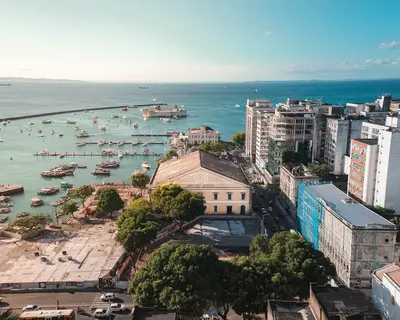
7.2 · GreatSalvador blends Afro-Brazilian soul with cheap street food and golden beaches. Now in low season, you'll find budget beds and sunny days. August brings the Festa de Santa Dulce, and September's spring festivals are already heating up.
 🇧🇷
🇧🇷Fortaleza
6.5 · GoodFortaleza is a sun-soaked Brazilian beach city where August means dry winter days, lively beach kiosks, and the Festa das Tradições celebrating Ceará's folklore. It's one of South America's more affordable coastal capitals, with a gritty but rewarding travel scene.
 🇧🇷
🇧🇷Rio de Janeiro
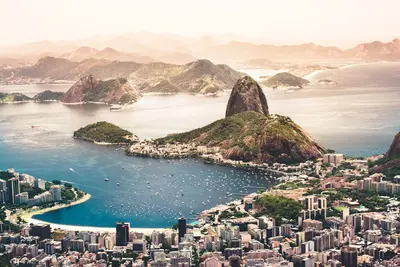
6.2 · GoodRio in August is dry, warm, and buzzing before the Rock in Rio and Rio International Film Festival land in September. Beaches are lively, prices are moderate, and the city's samba heart beats all night. A dramatic, vibrant destination with a different flavor for every travel style.
 🇧🇷
🇧🇷Sao Paulo
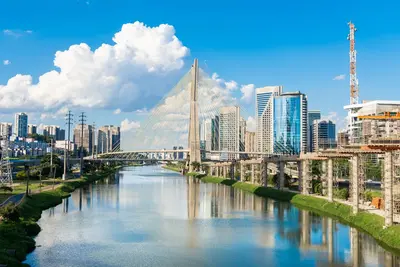
5.5 · AverageSao Paulo is a sprawling urban jungle that rewards adventurous souls with world-class food, arts, and culture. In August, the city's winter season brings clear skies and comfortable temps, plus events like the Brazil Classic Car Show and the São Paulo Fashion City Festival. Whether you're chasing cheap feasts or fine dining, this metropolis delivers.