
Lima Travel Costs in 2026: Backpacker, Nomad & Luxury Budgets
Peru · South AmericaLima blends colonial charm, world-class cuisine, and coastal vibes. In August, catch the feast of Santa Rosa de Lima (Aug 30) and enjoy the winter sun—yes, Lima winters are overcast but mild. Budget travelers love the cheap ceviche and hostels in Miraflores, while luxury seekers indulge in Central and Maido.
Is Lima Expensive? The Short Answer
Lima is mid-range. At $30 a day for backpacker travel it undercuts 68% of the 399 destinations we track.
- A short trip of 4 nights costs about $120, excluding flights.
- A week costs about $210; a month is about $900.
- That works out at $30 a day for backpacker travel.
Living in Lima: Backpacker Guide for 2026
Lima is a fantastic budget destination that often gets overshadowed by Cusco and Machu Picchu, but it deserves a few days of your South American route. The city is affordable, especially if you stick to the Miraflores and Barranco neighborhoods, where you can find dorm beds for $10–15 and street food for less than $5. The culinary scene is legendary—don't miss ceviche at a local huarique or a menú del día (set lunch) bargaining at around $3–5. During your visit in August, the festivities for Santa Rosa de Lima on the 30th offer free concerts and a chance for you to experience Limeño culture without spending a sol.
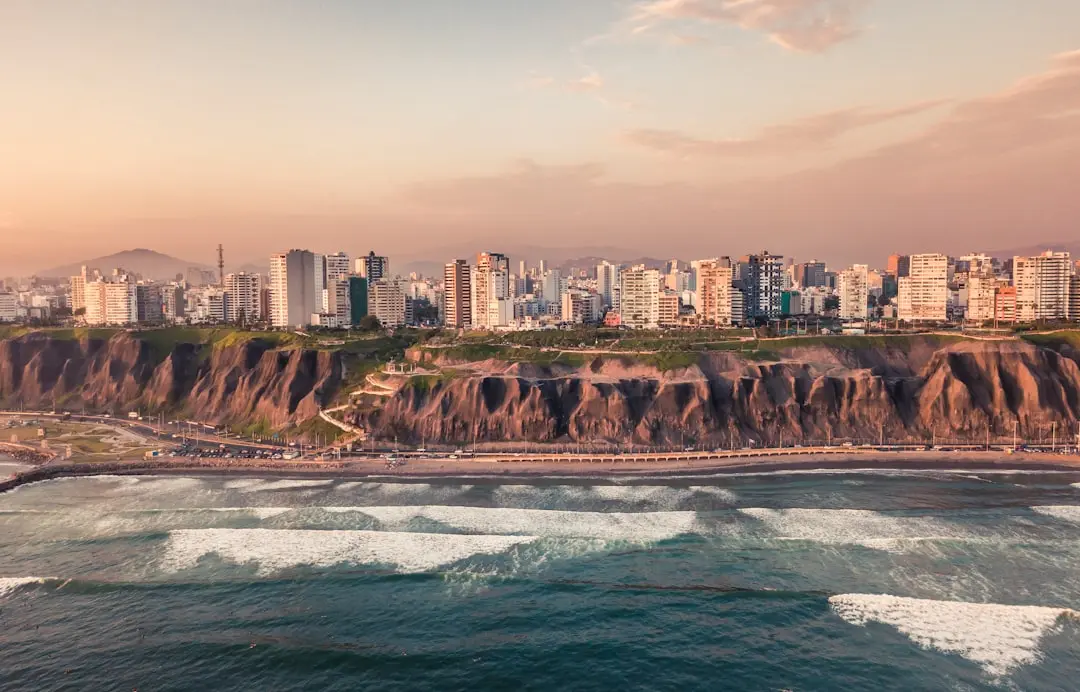
For accommodation, head to Miraflores: it is the safest area for backpackers, with plenty of hostels, from the party vibe to the chilled-out rooftop social scene. Barranco, right next door, is similarly bohemian and artsy, with cheaper hostels and the famous Puente de los Suspiros. If you want to save even more, stay in the Historic Center, but be extra careful at night—the budget savings come with a higher safety risk. Either way, you are never too far from the coast, where you get to watch the paragliders over the Pacific.
Your daily budget in Lima can easily stay around $30: $12 for a hostel dorm, $12 for food (gran desayuno and several street snacks), $3 for the bus/metro, and a little extra for museum tickets or a beer at a craft brewery. Many museums have free entry on Sundays, and free walking tours in the Center and Miraflores are great. Also, the coast is perfect for surfing—you can rent a board for $10 an hour at Waikiki Beach. Lima is not just a stopover; it is a place to enjoy, meet travelers, and eat your heart out. Remember: the winter clouds (garúa) are part of the charm—bring a light jacket and explore the colorful streets of the city.
How Much Does Lima Cost? Daily and Monthly Budget
| Travel style | Day | Week | Month |
|---|---|---|---|
🎒BackpackerHostels, street food, public transport | $30/day | $210/week | $900/month |
💻Digital NomadPrivate room, cafes, coworking spaces | $70/day | $490/week | $2100/month |
✨LuxuryHotels, fine dining, private transfers | $220/day | $1540/week | $6600/month |
Internet Speed in Lima for Remote Work
Where to Stay in Lima: Best Neighborhoods
Miraflores
$$The safest, most tourist-friendly neighborhood with ocean views, green parks, and upscale shopping. Plenty of hostels, hotels, and restaurants. Great for first-timers and remote workers, but pricier than other districts.
Barranco
$Bohemian and artsy, with colorful streets, street art, and a lively nightlife scene. Cheaper than Miraflores, it's a favorite among backpackers and creatives. Safe during the day, but use caution at night in some corners.
Historic Center
$UNESCO World Heritage site with colonial architecture and plaza mayor. Very budget-friendly, but less safe, especially after dark. Best for day trips and history buffs, not for night wandering.
Weather in Lima This Week
Pros and Cons of Living in Lima
Pros
- +World-renowned gastronomy (Central, Maido, etc.)
- +Relatively affordable for a major city
- +Rich history and colonial attractions
- +Coastal location with surfing and coastal walks
- +Vibrant arts scene in Barranco
- +Visa-free entry for many nationalities
- +Direct flights to everywhere in the Americas
- +Gateway to Machu Picchu and the Sacred Valley
- +Variety of microclimates and landscapes
- +Friendly locals and emerging start-up scene
Cons
- -Safety concerns in certain areas, especially at night
- -Traffic congestion can be frustrating
- -Winter months are overcast and gray (June–August)
- -Water quality is poor; stick to bottled water
- -Public transportation is often crowded
- -Air pollution in some districts
- -Occasional internet outages for remote workers
- -Homelessness and petty theft in the center
- -Limited nightlife outside of a few districts
- -Popular restaurants require long advance booking
Lima FAQ: What Travelers Ask Most
Lima is safe if you stick to the main tourist areas—Miraflores, Barranco, and San Isidro are generally fine day and night, but pickpocketing is common in crowded markets and on public transport. The Historic Center is okay during the day but avoid it after dark. Use Uber rather than hailing taxis on the street.
Lima has a mild climate year-round, but the summer months (December–April) bring warm, sunny days, while winter (June–August) is gray, damp, and around 16°C (60°F). Many travelers visit in the winter to dodge crowds at Machu Picchu, but if you want to enjoy the beaches, go in January or February.
Most countries from Western Europe, North America, and Asia (including Japan and South Korea) do not need a visa for tourist stays up to 183 days. Some countries require a visa, so check with the Peruvian consulate before you fly. A valid passport with at least six months remaining is essential.
Internet in Lima is decent, with average speeds around 60 Mbps download and 20 Mbps upload in modern areas. Most cafés and coworking spots in Miraflores and Barranco offer reliable Wi-Fi, but you might experience outages during heavy rain (rare). A local SIM with data is a good backup.
Yes, Lima is a workable nomad destination due to its reasonable cost, reliable internet, and growing community. You can stay visa-free for up to 183 days, and there are coworking spaces like Selina and WeWork. However, safety and the gray winter can be downsides, so consider a summer visit.
Lima has a vibrant backpacker scene, especially in Miraflores and Barranco. You'll find plenty of hostels with rooftop bars and organized tours, and it's easy to meet other travelers heading to or returning from Cusco. Budget food is abundant, with menú del día and street ceviche.
For backpackers, $30 per day covers a dorm, street food, and public transport. Digital nomads can live comfortably on $70 per day including a studio apartment and coworking. Luxury travelers should budget around $220+ per day for a nice hotel, fine dining, and private tours.
Cities Near Lima
The closest destinations across the border, with distance and daily cost
Best Places to Visit in South America
Top-scoring destinations in the same part of the world.
Quick Facts
- Global Rank
- #101 of 399
- Rank in Peru
- #3 of 3
- Region
- South America
- Timezone
- Lima
- Weather
- 20°C · Partly Cloudy
- Backpacker
- $30/day
- Digital Nomad
- $70/day
- Luxury
- $220/day
- Monthly (backpacker)
- $900
- Download
- 60 Mbps
- Upload
- 20 Mbps
Score by Travel Style
Do You Need a Visa for Lima?
Most visitors (US, Canada, EU, Australia, and many others) get visa-free entry for up to 183 days with a valid passport. Citizens of some countries (e.g., India, China) may need a visa; check with the Peruvian consulate. Always carry your passport as ID.
Is Lima Safe?
Lima is generally safe for tourists in areas like Miraflores, Barranco, and San Isidro, but pickpocketing and scams occur in the Historic Center and crowded areas. Avoid walking alone at night in less touristy districts.