
Fukuoka Travel Costs in 2026: Backpacker, Nomad & Luxury Budgets
Japan · AsiaFukuoka is a vibrant Japanese city known for yatai street food, ancient temples, and a relaxed vibe. August brings Obon celebrations and summer fireworks, perfect for those who want to experience local culture. With excellent transport and lower prices than Tokyo, it's a great base for exploring Kyushu.
Is Fukuoka Expensive? The Short Answer
Fukuoka is mid-range. At $40 a day for backpacker travel it costs more than 51% of the 399 destinations we track.
- A short trip of 4 nights costs about $160, excluding flights.
- A week costs about $280; a month is about $1200.
- That works out at $40 a day for backpacker travel.
Living in Fukuoka: Backpacker Guide for 2026
Fukuoka is a hidden gem for backpackers in Japan, offering a perfect mix of urban energy and laid-back Kyushu charm. While not as cheap as Southeast Asia, it's significantly more affordable than Tokyo or Osaka, with hostels clustered around Tenjin and Hakata that make it easy to meet travelers. The city's yatai (food stalls) come alive at dusk, serving up steaming bowls of tonkotsu ramen for just ¥800-1000 ($5-7), and the August Obon season means you'll catch traditional Bon Odori dances and glowing lanterns in neighborhoods like Kushida Shrine.
You won't struggle to find budget digs: Khaosan Fukuoka and Guesthouse HAKATA offer dorm beds from around ¥3,000 ($20) a night with free breakfast and social lounges. Spend your days exploring the free sights—the atmospheric Tochoji Temple, the sprawling Ohori Park, and the trendy Daimyo district are all walkable. Take a day trip to the coast at Momochi Beach or hop on a ferry to Nokonoshima Island for ¥500 round-trip. When hunger hits, skip sit-down restaurants and graze at basement markets and 7-Eleven, where decent meals cost under ¥500.
For the best budget base, stay in Tenjin or Daimyo—both bustling hubs with cheap ramen shops and secondhand stores. Hakata, near the station, offers slightly cheaper hostels and direct train access to places like Dazaifu and Nagasaki. If you want quiet, consider Marukuma or the Nishijin area, where older guesthouses offer traditional tatami rooms for a steal.
A typical backpacker day in Fukuoka runs about ¥5,000-6,000 ($35-42) if you stick to dorms, konbini breakfasts, and yatai dinners. Save more by buying a one-day subway pass (¥620), cooking at hostel kitchens, and taking advantage of the city's numerous free festivals. Embrace the hostel family—many arrange tea ceremonies, izakaya crawls, and beach bbqs, making it easy to find travel buddies. With its friendly locals, safe streets, and unexpected quirks, Fukuoka serves up an authentic slice of Japan without breaking the bank.
How Much Does Fukuoka Cost? Daily and Monthly Budget
| Travel style | Day | Week | Month |
|---|---|---|---|
🎒BackpackerHostels, street food, public transport | $40/day | $280/week | $1200/month |
💻Digital NomadPrivate room, cafes, coworking spaces | $70/day | $490/week | $2100/month |
✨LuxuryHotels, fine dining, private transfers | $300/day | $2100/week | $9000/month |
Internet Speed in Fukuoka for Remote Work
Where to Stay in Fukuoka: Best Neighborhoods
Tenjin
$The bustling heart of Fukuoka, packed with department stores, restaurants, and nightlife. It's central, convenient, and offers a wide range of accommodations from hostels to high-end hotels. Ideal for first-time visitors who want everything at their doorstep.
Hakata
$The historic area around Hakata Station, home to ancient temples and the famous Hakata Gion Yamakasa festival. More traditional and slightly cheaper than Tenjin, with excellent train connections. Perfect for budget travelers and those exploring Kyushu.
Daimyo
$Fukuoka's bohemian fashion district, filled with trendy boutiques, stylish cafes, and vibrant nightlife. It's a favorite among younger crowds and creatives. Offers a mix of apartments and guesthouses, with a lively atmosphere day and night.
Momochi
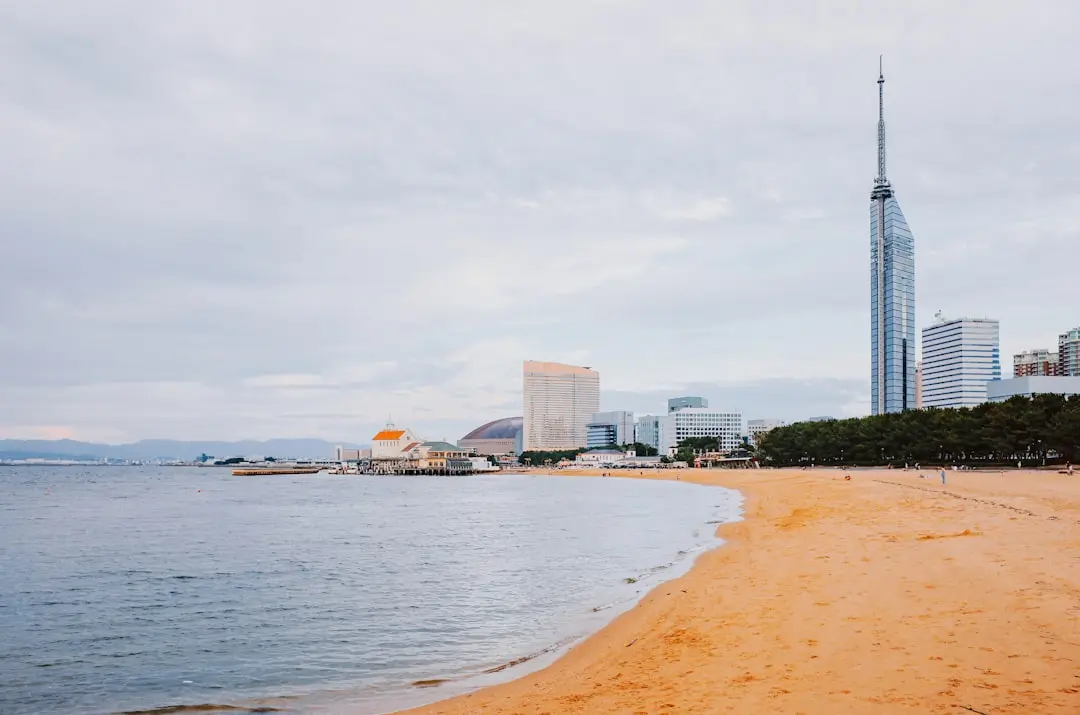
$$A modern seaside area with luxury hotels, the Fukuoka Tower, and beautiful beaches. It's a bit removed from the center, but offers a relaxing, upscale vibe. Great for those willing to pay more for ocean views and a retreat-like feel.
Weather in Fukuoka This Week
Pros and Cons of Living in Fukuoka
Pros
- +Excellent public transit (subway, buses, ferries)
- +Mouthwatering yatai street food (tonkotsu ramen, mentaiko)
- +Lower cost of living than Tokyo/Osaka
- +Superb internet speeds
- +Extremely safe, even at night
- +Compact city—most sights are walkable
- +Many temples, shrines, and parks
- +Close to beaches and mountains (Dazaifu, Momochi)
- +Friendly locals and growing nomad community
- +Great hub for exploring Kyushu (Nagasaki, Kumamoto)
Cons
- -Humid and hot summers (August is peak heat)
- -Limited English—signage not always in English
- -Backpacker scene is smaller than Bangkok or Hanoi
- -Luxury dining options are less extensive than Tokyo/Kyoto
- -Public transport stops early (last train ~midnight)
- -Some hostels are far from central nightlife
- -Housing rents rising due to startup influx
- -Earthquake risk (though infrastructure is modern)
Fukuoka FAQ: What Travelers Ask Most
Yes, Fukuoka is one of the safest cities in Japan. Violent crime is extremely rare, and you can walk around at night without worry. As always, use common sense in crowded areas like Tenjin and keep an eye on your belongings.
Spring (April-May) and autumn (October-November) are ideal with mild weather and beautiful cherry blossoms or fall foliage. Summer is hot and humid, but August has Obon festivals and many summer fireworks. Winter is cooler but still pleasant and less crowded.
Many nationalities, including US, UK, and EU citizens, can enter Japan visa-free for up to 90 days as tourists. Japan also introduced a digital nomad visa in 2026 for eligible remote workers wanting a longer stay. Always check with your local Japanese embassy for the latest rules.
Fukuoka has extremely fast internet, with average download speeds of over 100 Mbps and many places offering 150+ Mbps. Home and mobile connections are reliable, and there are abundant free Wi-Fi spots in cafes, libraries, and public areas.
Absolutely. Fukuoka has a growing digital nomad community and plenty of coworking spaces like Haco and Impact Hub. The city government is very supportive, offering free spaces and networking events. Japan's new digital nomad visa makes long-term stays easier for eligible remote workers.
While not as enormous as in Bangkok or Hanoi, Fukuoka has a solid backpacker scene with friendly hostels and regular social events. You'll easily meet other travelers at hostels like Khaosan or Guesthouse HAKATA, and the city's yatai stalls provide a great social atmosphere.
A backpacker can get by on $35-45/day with dorms and street food. Digital nomads typically spend $60-80/day including a private apartment and coworking. Luxury travelers can expect $200-400/day for upscale hotels and fine dining. Costs are generally lower than Tokyo.
Cities Near Fukuoka
The closest destinations across the border, with distance and daily cost
Best Places to Visit in Asia
Top-scoring destinations in the same part of the world.
Quick Facts
- Global Rank
- #110 of 399
- Rank in Japan
- #1 of 5
- Region
- Asia
- Timezone
- Tokyo
- Weather
- 21°C · Overcast
- Backpacker
- $40/day
- Digital Nomad
- $70/day
- Luxury
- $300/day
- Monthly (backpacker)
- $1200
- Download
- 100 Mbps
- Upload
- 50 Mbps
Score by Travel Style
Do You Need a Visa for Fukuoka?
Many Western passport holders get 90-day tourist visas on arrival. Japan also introduced a digital nomad visa in 2026 for eligible remote workers. Check with your nearest Japanese embassy for the latest requirements.
Is Fukuoka Safe?
Fukuoka is remarkably safe, even at night. Violent crime is extremely rare, and you can walk alone confidently. As always, keep an eye on your belongings in crowded areas like Tenjin.