
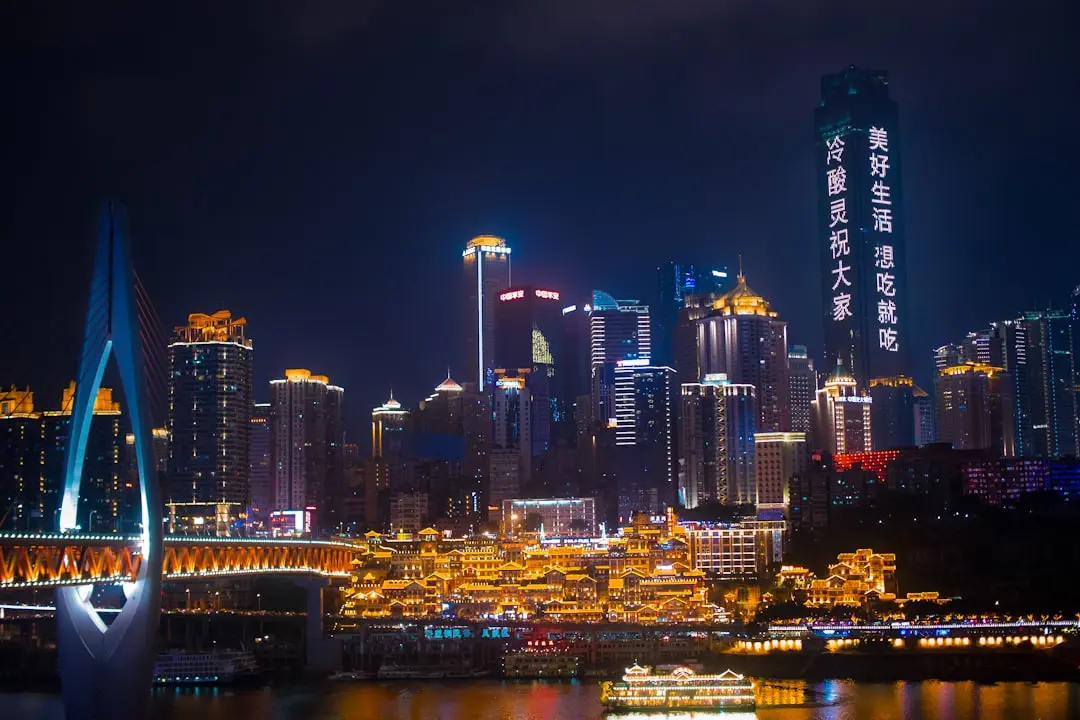
Chongqing Travel Costs in 2026: Backpacker, Nomad & Luxury Budgets
China · AsiaElectric, affordable, breathtakingly vertical – Chongqing rewards adventurous travelers with surreal architecture, fiery hotpot, and $2 noodles. With summer beer festivals in full swing and monsoon steam in the air, dive into the 8D megacity before the secret gets out.
Is Chongqing Expensive? The Short Answer
No — Chongqing is cheap. At $20 a day for backpacker travel it undercuts 95% of the 399 destinations we track.
- A short trip of 4 nights costs about $80, excluding flights.
- A week costs about $140; a month is about $600.
- That works out at $20 a day for backpacker travel.
Living in Chongqing: Backpacker Guide for 2026
Chongqing is a backpacker's fever dream if you can handle the heat. In late August, the city steams at 35°C, but that only fuels an all-night hotpot-fueled street scene, and summer beer festivals keep riverside hordes happy. It's a maze of stilt houses, 8D highways, and neon-lit alleys that smell of cumin and chili. Few foreign backpackers make it here, so you'll be rewarded with a raw, unpolished slice of urban China at prices that feel like 2010.
Dorm beds in central hostels like Jiefangbei and Guanyinqiao go for $8–12. Skip tourist traps: join the locals at night markets near Daping, order $2 bowls of small noodles, and hike the one-million-step Jinyun Mountain for free. The Yangtze cable car is cheap and unforgettable. Don't miss the Three Gorges Museum – it's free and air-conditioned, perfect for a midday escape. Take a free night view of the skyline from Nanbin Road – just sit on the steps and watch the glittering towers.
Stay near Jiefangbei for walkability, or Ciqikou for old-town charm and budget eats. Nan'an's riverside hostels have the best views for the lowest price. All have air conditioning, which is non-negotiable in August. The metro is dirt cheap, so staying slightly outside the center saves even more.
A no-frills day runs about $18: hostel $9, meals $6, metro and attractions $3. Bring water, use the air-conditioned malls to cool off, and split hotpot with new friends to keep costs low. If you're staying longer, buy fruit from street stalls and cook at the hostel. For less than most of Southeast Asia, you get a vertigo-inducing megacity that still surprises locals.
How Much Does Chongqing Cost? Daily and Monthly Budget
| Travel style | Day | Week | Month |
|---|---|---|---|
🎒BackpackerHostels, street food, public transport | $20/day | $140/week | $600/month |
💻Digital NomadPrivate room, cafes, coworking spaces | $60/day | $420/week | $1800/month |
✨LuxuryHotels, fine dining, private transfers | $250/day | $1750/week | $7500/month |
Internet Speed in Chongqing for Remote Work
Where to Stay in Chongqing: Best Neighborhoods
Jiefangbei
$The bustling central business district and main tourist hub. Packed with malls, street food alleys, and hostels at every price point. Best for first-time visitors and convenience.
Ciqikou
$An ancient porcelain town turned tourist attraction, located on the Jialing River. Full of old tea houses, winding lanes, and snack stalls. Cheaper than Jiefangbei and excellent for atmosphere. A bit far from the center.
Nan'an (Nanbin Road)
$The riverside area across from Jiefangbei, famed for panoramic skyline views and long riverfront promenades. Quieter and more residential, but well-connected by metro. Hostels and budget hotels here are great value for the scenery.
Guanyinqiao
$A busy commercial and residential neighborhood north of the river, known for trendy malls, cafés, and nightlife. Popular with locals and slowly being discovered by expats. Lower rents than Jiefangbei.
Weather in Chongqing This Week
Pros and Cons of Living in Chongqing
Pros
- +Extremely low cost of living – one of China's cheapest big cities
- +Incredible street food and world-famous hotpot culture
- +Efficient, cheap, and expanding metro system
- +Surreal '8D' architecture – roads, rails, and buildings stacked vertically
- +Spectacular Yangtze and Jialing river views
- +Very safe streets, even at night
- +Friendly and curious locals, few foreign tourists in many areas
- +Rich history with ancient towns like Ciqikou
- +Excellent base for high-speed rail trips to Chengdu, Xi'an, and beyond
- +Large universities and a young, energetic population
Cons
- -Extreme summer heat and brutal humidity, especially in August
- -Language barrier – very limited English in most places
- -Extremely hilly; you'll climb hundreds of stairs or rely on metro
- -Air pollution can be dense in autumn and winter
- -China visa paperwork can be troublesome for some nationalities
- -Major attractions are crowded with domestic tourists
- -Great Firewall blocks Western apps and sites
- -Less developed backpacker scene than Southeast Asia
- -Hostel quality is inconsistent outside central areas
- -Expats rarely stay long, so nomad community is thin
Chongqing FAQ: What Travelers Ask Most
Yes, Chongqing is one of the safest large cities in China. Violent crime is almost nonexistent, and the street crowds feel safe even at midnight. Use common sense in packed tourist areas to guard against pickpocketing, and be cautious when crossing roads due to aggressive drivers.
April–May and September–October offer the most comfortable weather. August is scorching and humid, though summer beer festivals and lively night markets are in full swing. Winter (Dec–Feb) is mild but often foggy and polluted.
Yes, most travelers need a Chinese L visa, typically allowing 30 days. However, citizens of many European and Asian countries benefit from 15-day visa-free entry under reciprocal agreements. Always check current rules with your local Chinese embassy.
Fiber broadband is excellent, with typical download speeds above 100 Mbps and uploads around 50 Mbps. Cafés and coworking spaces are well-connected. Just note that China's Great Firewall blocks Google, WhatsApp, Facebook, and many other Western platforms, so a VPN is essential.
Yes, but with caveats. The internet is fast and reliable once you set up a VPN, and living costs are very low. However, there is no dedicated digital nomad visa, stays are limited to 30 days (or 15 on visa-free entry), and the expat community is tiny. It's great for a short-term adventure, not a long-term base.
Small but welcoming. You'll find a handful of social hostels in Jiefangbei and Guanyinqiao, but they fill with Chinese travelers rather than foreigners. The upside: you're an instant novelty, locals are curious, and your budget stretches further. The lack of a big backpacker community means you'll often explore at your own pace.
It's genuinely cheap. A backpacker can get by on $20–30/day with a hostel bed, street food, and metro rides. A nomad comfortable life runs about $60/day ($1,800/month) including a decent apartment and dining out. For luxury travelers, $250+/day secures a five-star hotel, fine dining, and exclusive experiences – often half of what you'd pay in Shanghai.
Cities Near Chongqing
The closest destinations across the border, with distance and daily cost
Best Places to Visit in Asia
Top-scoring destinations in the same part of the world.
Quick Facts
- Global Rank
- #47 of 399
- Rank in China
- #5 of 13
- Region
- Asia
- Timezone
- Shanghai
- Weather
- 19.3°C · Moderate rain
- Backpacker
- $20/day
- Digital Nomad
- $60/day
- Luxury
- $250/day
- Monthly (backpacker)
- $600
- Download
- 100 Mbps
- Upload
- 50 Mbps
Score by Travel Style
Do You Need a Visa for Chongqing?
Most travelers need a Chinese L visa (typically valid 30 days). Citizens of several countries, including most European nations, enjoy 15-day visa-free entry under reciprocal policies. Always confirm with the nearest Chinese embassy or consulate.
Is Chongqing Safe?
Chongqing is very safe for its size. Violent crime is rare, and streets are busy late into the night. Exercise normal caution with petty theft in crowded tourist zones like Jiefangbei and Ciqikou.