
Victoria Travel Costs in 2026: Backpacker, Nomad & Luxury Budgets
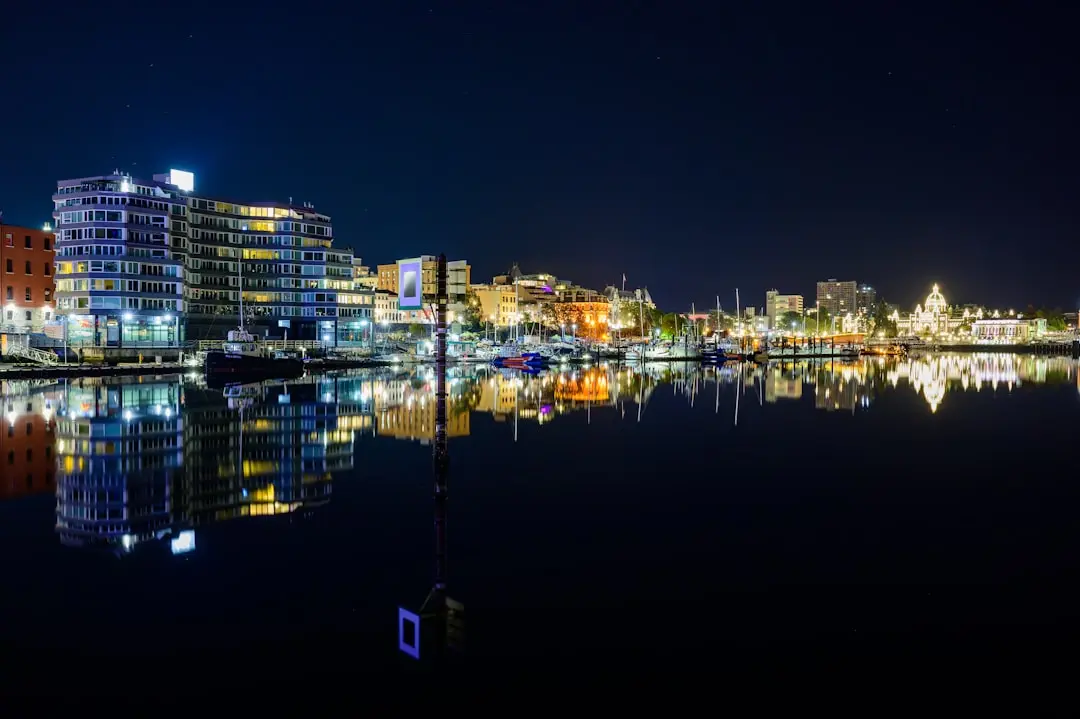
Canada · North AmericaVictoria is a walkable harbor city on Vancouver Island with crystal-clear summers, a blossoming festival scene, and an old-English charm. While it's pricier than Asian hubs, it offers safety, nature, and rich culture. August brings the Fringe Festival.
Is Victoria Expensive? The Short Answer
Yes — Victoria is expensive. At $55 a day for backpacker travel it costs more than 70% of the 399 destinations we track.
- A short trip of 4 nights costs about $220, excluding flights.
- A week costs about $385; a month is about $1650.
- That works out at $55 a day for backpacker travel.
Living in Victoria: Backpacker Guide for 2026
Victoria may not deliver Chiang Mai-level bargains, but Canada’s 'Garden City' rewards backpackers with old-world charm, jaw-dropping scenery, and a festival season that peaks just as you arrive. The Victoria Fringe Theatre Festival, running from late August into early September, turns the Inner Harbour and Fernwood district into a riot of street performance, pop-up comedy and live music. Combine that with safe streets, an extremely walkable downtown, and a social hostel scene, and you’ve got a destination where stingy budgets still go further than you’d think.
For sleep, HI Victoria Harbour and Ocean Island Backpackers anchor the budget scene, with dorms from C$45–55 and events like free pancake breakfasts and pub crawls. Moss Street Market, open Saturday mornings, is the spot to stack up on local fruit, artisan bread and cheap snacks. You can pack a day with free activities: self-guided tours of the sparkling Parliament building, the Royal B.C. Museum’s donation periods, Beacon Hill Park with its resident peacocks, and the sweeping water views along Dallas Road. When hunger hits, food carts near the Legislature serve filling tacos and poutine for under C$12.
Head to James Bay for a quieter, coastal sleep within a five-minute walk of the water, or Cook Street Village for a tight grid of cheap cafés and grocery delis. Fernwood is the artistic, bohemian pocket where dive bars, a hipster market and the Fringe’s late-night shows create easy backpacker mingling. Save money by buying groceries at Save-On-Foods, refilling a water bottle everywhere, and grabbing a C$15 day pass for the reliable local buses.
A realistic daily budget is C$55–60: C$45 for a dorm bed, C$10–12 for food, and C$5 for transport. Don’t overspend on pricey whale-watching tours — walk the Galloping Goose Trail or take the bus to the Gulf Islands instead. Victoria isn’t the cheapest Canadian city, but with peak-summer energy, free nature and strong hostel culture, it punches well above its price tag.
How Much Does Victoria Cost? Daily and Monthly Budget
| Travel style | Day | Week | Month |
|---|---|---|---|
🎒BackpackerHostels, street food, public transport | $55/day | $385/week | $1650/month |
💻Digital NomadPrivate room, cafes, coworking spaces | $105/day | $735/week | $3150/month |
✨LuxuryHotels, fine dining, private transfers | $350/day | $2450/week | $10500/month |
Internet Speed in Victoria for Remote Work
Where to Stay in Victoria: Best Neighborhoods
Downtown & Inner Harbour
$$The bustling core with the Parliament Buildings, Fairmont Empress, restaurants, and shops. Price level high, perfect for first-time visitors and luxury travelers.
James Bay
$Historic residential neighborhood bordering the water, quiet and charming, a short walk from downtown. Great for nomads and families.
Cook Street Village
$Laid-back village known for independent cafés, bakeries, and a local market, near Dallas Road beaches. A favorite for backpackers and budget travelers.
Fernwood
$Artsy, bohemian area with a community market, dive bars, and a strong creative scene. The best spot for those wanting a more authentic, budget-friendly stay.
Weather in Victoria This Week
Pros and Cons of Living in Victoria
Pros
- +Extremely safe and walkable city center
- +Stunning coastal scenery and easy nature access
- +Rich history with Parliament and Butchart Gardens
- +Strong coffee culture and cozy cafés
- +Active festival scene, including the Fringe
- +Clean, well-maintained public spaces
- +Friendly locals and a relaxed pace of life
- +Good local food scene, especially seafood
- +No need for a car thanks to buses and bike routes
- +Beautiful fall and spring weather
Cons
- -High cost of living and accommodation
- -Rent is expensive for nomads
- -Winter months are grey and rainy
- -Limited late-night nightlife outside downtown
- -Public transit doesn't serve all suburbs perfectly
- -Whale-watching and tours are pricey
- -Housing availability is tight for long-term stays
- -Less backpacker budget infrastructure than Asian hubs
- -Downtown can get crowded with cruise tourists in summer
- -Island location means extra ferry/plane costs
Victoria FAQ: What Travelers Ask Most
Yes, Victoria is one of the safest cities in Canada, with a very low crime rate. The main tourist areas are generally safe at night, but as with any city, stay aware and avoid poorly lit side streets late at night.
The best time is late spring to early fall (May–September), when temperatures are mild and festivals like the Fringe in late August are in full swing. Winter is quieter and wetter, but you'll find lower hotel rates and a cozy atmosphere.
Canada requires an eTA for visa-exempt visitors arriving by air; U.S. citizens can enter with a valid passport and stay up to six months without a visa. Citizens of many other countries must apply for a visitor visa. Always check official Canadian immigration rules.
Victoria has reliable high-speed internet, with average download speeds around 75 Mbps and uploads around 25 Mbps. Many cafés and all coworking spaces offer strong wifi, and fiber is expanding in downtown.
Yes, Victoria has good coworking spaces, cafés with wifi, and a growing community of remote workers. It's more expensive than classic nomad hubs, but safety and quality of life are top-notch. Most visitors can stay up to six months on a tourist visa.
Backpackers will find a few solid hostels like HI Victoria and Ocean Island Backpackers, with events and a social vibe. It's not a high-volume backpacker trail, but the free attractions and friendly hostel community make it a pleasant stop.
Backpackers should budget about US$55 per day for a hostel dorm, street food, and local transport. Digital nomads typically spend US$100–110 daily to cover rent and coworking. Luxury travelers should plan for US$350+ per day for upscale hotels and fine dining.
Cities Near Victoria
The closest destinations across the border, with distance and daily cost
Best Places to Visit in North America
Top-scoring destinations in the same part of the world.
Quick Facts
- Global Rank
- #213 of 399
- Rank in Canada
- #7 of 45
- Region
- North America
- Timezone
- Vancouver
- Weather
- 12.4°C · Clear
- Backpacker
- $55/day
- Digital Nomad
- $105/day
- Luxury
- $350/day
- Monthly (backpacker)
- $1650
- Download
- 75 Mbps
- Upload
- 25 Mbps
Score by Travel Style
Do You Need a Visa for Victoria?
Most international visitors need an eTA if arriving by air from visa-exempt countries; U.S. citizens don't need a visa or eTA for stays up to six months. Always check the latest Immigration Canada requirements.
Is Victoria Safe?
Victoria is one of Canada's safest cities, with low violent crime and a very low risk for tourists. Use common sense in the Inner Harbour late at night and lock up belongings; pickpocketing is rare.