
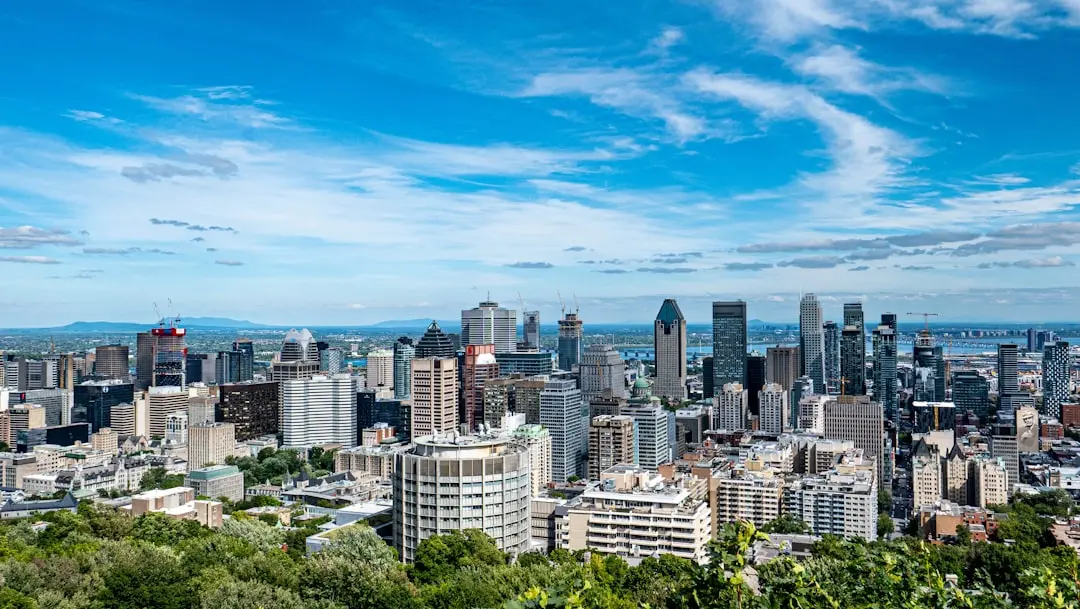
Montreal Travel Costs in 2026: Backpacker, Nomad & Luxury Budgets
Canada · North AmericaMontreal in August is a festival wonderland—Pride Montréal is in full swing, and Osheaga just wrapped, leaving the city buzzing. Expect European-style charm, an edible food scene, and a rich cultural mix that delivers for every travel style from dorms to fine suites. It's Canada's best-value big city, with summer energy that's hard to beat.
Is Montreal Expensive? The Short Answer
Montreal is mid-range. At $40 a day for backpacker travel it costs more than 51% of the 399 destinations we track.
- A short trip of 4 nights costs about $160, excluding flights.
- A week costs about $280; a month is about $1200.
- That works out at $40 a day for backpacker travel.
Living in Montreal: Backpacker Guide for 2026
Montreal in mid-August is electric: Pride Montréal has taken over the downtown core with parades and street parties, while the Osheaga buzz still lingers from the previous weekend. For backpackers, this is the sweet spot—summer festivals mean free events, all-night energy, and a city that feels like it's celebrating itself. The European-style streets are walkable, the Saint Lawrence River breezes keep things fun, and hostel dorms here are surprisingly social.
Budget digs are solid: Auberge Saintlo (formerly HI) offers dorms from $25 near the Latin Quarter, while M Montreal and Hostel Chez Jean are party-ready hubs with common rooms that turn into instant friend circles. For food, skip sit-downs and hit Schwartz's Deli for a smoked meat sandwich, feed yourself for under $10 with poutine from La Banquise, and grab fresh bagels at St-Viateur in Mile End—still warm and under $1. Free activities stack up: Mount Royal Park's Tam-Tams Sunday drum circle, the Old Port's riverside boardwalk, and wandering the murals of the Plateau.
The Plateau and Mile End are the best neighborhoods for budget travelers—faded Victorian duplexes, cheap groceries at Marché Jean-Talon, and plenty of parks to crash in with a beer. Hochelaga-Maisonneuve is cheaper and grittier, but it's a 15-minute metro ride to the action and has a genuine local vibe that tourists rarely see.
Daily budget: $25 hostel, $15 food, $5 metro, $5 incidentals = $50, though you can shave it to $40 by cooking hostel meals and hitting free museum nights (Wednesday at the Museum of Fine Arts). Montreal is not Bangkok-cheap, but for North America it's a steal—and the summer festival atmosphere lifts the value. Come with a light wallet and a heavy appetite.
How Much Does Montreal Cost? Daily and Monthly Budget
| Travel style | Day | Week | Month |
|---|---|---|---|
🎒BackpackerHostels, street food, public transport | $40/day | $280/week | $1200/month |
💻Digital NomadPrivate room, cafes, coworking spaces | $85/day | $595/week | $2550/month |
✨LuxuryHotels, fine dining, private transfers | $330/day | $2310/week | $9900/month |
Internet Speed in Montreal for Remote Work
Where to Stay in Montreal: Best Neighborhoods
Plateau Mont-Royal
$A bohemian, bike-friendly neighborhood with colorful row houses, independent cafés, and an energetic nightlife around Rue Saint-Denis. It's a top choice for backpackers and nomads looking for a central location with loads of character.
Mile End
$Hipster haven known for world-famous bagels (Fairmount and St-Viateur), vintage boutiques, and a strong arts scene. Slightly quieter than the Plateau but only a short walk away, with a local feel that suits longer-term visitors.
Old Montreal
$$Cobblestone streets, historic buildings, and the waterfront of the Old Port. The most tourist-heavy area, with upscale hotels, restaurants, and boutiques—perfect for luxury travelers who want views and history outside their door.
Downtown / Golden Square Mile
$$The financial and shopping core, anchored by Sherbrooke Street's luxury boutiques and museums like the Montreal Museum of Fine Arts. Very safe, well-connected by metro, and home to the city's best five-star hotels.
Le Sud-Ouest / Verdun
$An up-and-coming area with converted warehouses, microbreweries, and riverside paths. Attracts young professionals and nomads looking for cheaper rent than the Plateau while still being metro-connected.
Weather in Montreal This Week
Pros and Cons of Living in Montreal
Pros
- +Festival season means non-stop events in summer
- +2:30 bar close means the nightlife runs late
- +European-style architecture and walkability
- +Canada's best food scene—poutine, bagels, smoked meat
- +Extensive underground city for winter
- +Bilingual city, easy to get by in English or French
- +Metro system is cheap, safe, and easy to navigate
- +Mount Royal provides free outdoor activities and views
- +Excellent festivals like Pride, Osheaga, and Jazz Fest
- +Lower cost of living than Toronto or Vancouver
Cons
- -Bitter cold winters from December to March
- -French language can feel intimidating for some visitors
- -Canadian dollar still high compared to Asian destinations
- -Many tiny sublets have poor soundproofing
- -Public transit stops running late at night
- -Construction projects often cause detours
- -Tourist areas like Old Montreal pack huge crowds in summer
- -Smoking on café terraces can be off-putting for some
- -Parking is expensive and tough in central areas
- -Air Canada/domestic flights can be pricey
Montreal FAQ: What Travelers Ask Most
Yes, Montreal is one of the safest cities in North America, with a Global Peace Index much better than most US cities. Pickpocketing can occur in tourist-heavy places like Old Montreal, but violent crime is rare. Keep general street smarts, especially late at night around Berri-UQAM or the Village.
Late spring to early fall (May to October) is ideal, especially August when festivals like Pride and Osheaga are in full swing. June and July bring the Jazz Festival and Just for Laughs. Fall shows beautiful colors, but winter (December-March) is only for if you love snow sports and serious cold.
US citizens need only a valid passport for stays up to 6 months. Most Western European, Australian, and Japanese passport holders also get visa-free access, though some may need an eTA. Visitors from India, China, or Brazil typically need a visitor visa. Check the official Immigration Canada website before traveling.
Montreal has excellent fiber infrastructure, with average download speeds around 120 Mbps and uploads near 80 Mbps, though many residential connections offer 500 Mbps to 1 Gbps. Public WiFi is common in cafés and metro stations. Coworking spaces are reliably fast and stable.
Yes, the city is very remote-work friendly: great internet, plenty of coworking spaces, and a welcoming international community. You'll stay for up to 6 months on a tourist visa, but remote work for a foreign employer is permitted in practice. Some nomads consider the City of Montreal's 'digital nomad' initiatives, though Canada doesn't have an official nomad visa yet.
Hostels here are more social than average, with nightly events at places like M Montreal and Auberge Saintlo. The city attracts travelers from around the world, especially during summer festivals. While not as large as Thai or Southeast Asian backpacker circuits, the scene is enough to find travel buddies easily.
Backpackers can get by on $40-50 per day with a hostel and some cooking. Digital nomads typically spend $85-100/day including rent and coworking. Luxury travelers should budget $300+ daily for top hotels and fine dining. The good news: your dollar (or euro) stretches further here than in London or New York.
Cities Near Montreal
The closest destinations across the border, with distance and daily cost
Best Places to Visit in North America
Top-scoring destinations in the same part of the world.
Quick Facts
- Global Rank
- #181 of 399
- Rank in Canada
- #2 of 45
- Region
- North America
- Timezone
- Toronto
- Weather
- 8.9°C · Clear
- Backpacker
- $40/day
- Digital Nomad
- $85/day
- Luxury
- $330/day
- Monthly (backpacker)
- $1200
- Download
- 120 Mbps
- Upload
- 80 Mbps
Score by Travel Style
Do You Need a Visa for Montreal?
Most nationalities, including US, UK, EU, Australia, Japan, and South Korea, can visit Canada visa-free for up to 6 months (US citizens need only a valid passport). Some countries require an eTA or visitor visa—check with Immigration Canada. Tourists are not officially allowed to work remotely, but intermittent remote work is tolerated if it doesn't involve a Canadian employer.
Is Montreal Safe?
Montreal is very safe for a large North American city. Standard precautions apply—especially late at night in the Village or Berri-UQAM areas—but violent crime is rare even compared to other Canadian cities. Solo travelers, including women, generally feel comfortable exploring the central downtown core both day and night.