
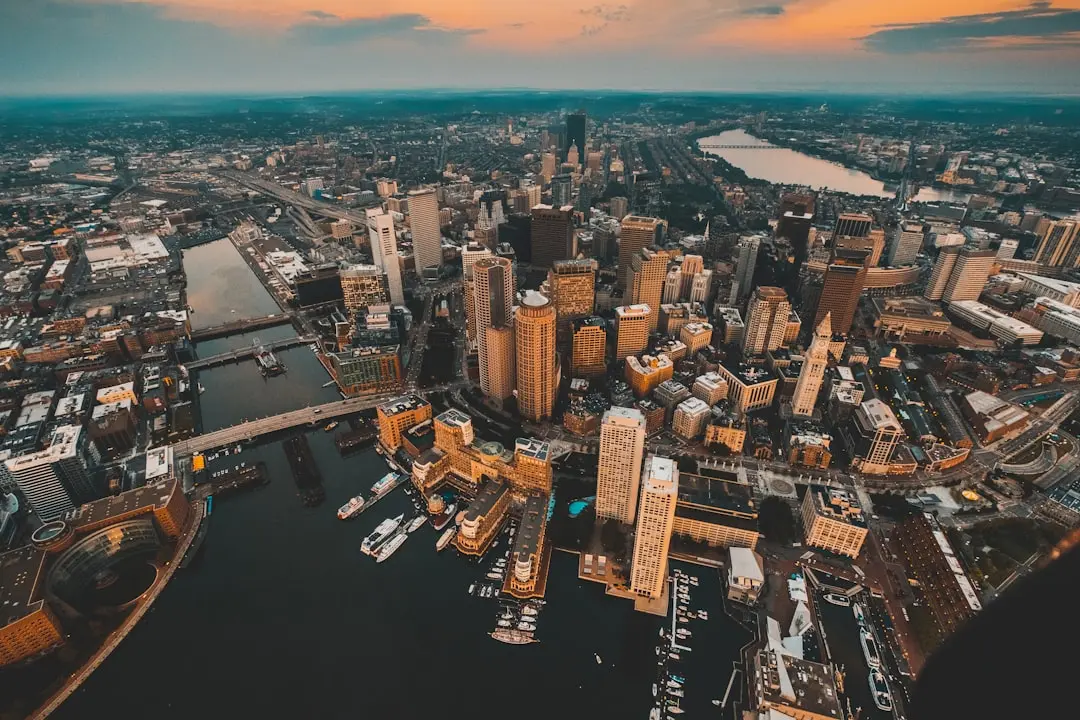
Boston Travel Costs in 2026: Backpacker, Nomad & Luxury Budgets
USA · North AmericaBoston in August is a summer playground – think free concerts on the Esplanade, the colorful Boston Caribbean Carnival (usually mid-August), and baseball at Fenway Park. It’s a city of history and innovation, but your wallet will feel the pinch. Scores reflect that: backpackers face steep prices, nomads pay premium rent, while luxury travelers find refined comfort.
Is Boston Expensive? The Short Answer
Yes — Boston is expensive. At $55 a day for backpacker travel it costs more than 70% of the 399 destinations we track.
- A short trip of 4 nights costs about $220, excluding flights.
- A week costs about $385; a month is about $1650.
- That works out at $55 a day for backpacker travel.
Living in Boston: Backpacker Guide for 2026
Boston is one of those pricey Northeastern cities where budget travelers have to get scrappy – but that’s exactly why it can be so rewarding. August is peak season, so hostels fill up fast and prices edge up, yet you’ll still find free treasures like the Boston Public Library’s beautiful courtyard, the Rose Fitzgerald Kennedy Greenway, and the spectacular views from the Bunker Hill Monument. The backpacker scene is smaller than in Southeast Asia, but the social hostels in the Back Bay and Fenway area create instant friends from around the world.
Accommodation is your biggest challenge. A bed in a well-run hostel like HI Boston or The Foundry ranges from $45-60 per night in August, so plan to book weeks ahead. Instead of restaurant meals, hit up the North End’s bakeries for $3 slices of pizza, get a giant subs at local delis, and picnic on the Esplanade while free concerts echo along the Charles River. Most museums offer student discounts if you have an ID, and the Freedom Trail is essentially free if you follow the bricks yourself.
For budget neighborhoods, look at Mission Hill and Allston-Brighton, just west of downtown, where classic triple-decker houses host budget hostels and cheap international eateries. Davis Square in Somerville also has a youthful energy and better prices than central Boston. Use the Bluebike system and the extensive T network to skip ride-hailing costs.
To keep under $60 per day, you need a few tricks: hitch the free ferry between Long Wharf and the Charlestown Navy Yard, hit happy hours in Chinatown, and use the free-water fountains to avoid buying drinks. Stick mainly to free attractions – the Boston Common, Beacon Hill’s hidden alleys, and the New England Aquarium’s outdoor visitor center. Boston will never be a dirt-cheap city, but with a little planning you can experience its history and charm without blowing your entire travel fund.
How Much Does Boston Cost? Daily and Monthly Budget
| Travel style | Day | Week | Month |
|---|---|---|---|
🎒BackpackerHostels, street food, public transport | $55/day | $385/week | $1650/month |
💻Digital NomadPrivate room, cafes, coworking spaces | $130/day | $910/week | $3900/month |
✨LuxuryHotels, fine dining, private transfers | $400/day | $2800/week | $12000/month |
Internet Speed in Boston for Remote Work
Where to Stay in Boston: Best Neighborhoods
Back Bay
$$Boston's most elegant neighborhood, known for Victorian brownstones, high-end shopping on Newbury Street, and the iconic Public Garden. It's pricey but centrally located, offering easy access to the Charles River and many attractions. Ideal for luxury travelers and first-timers who want a classic Boston experience.
North End
$Boston's Little Italy, with narrow streets filled with Italian bakeries, restaurants, and historic sites like Paul Revere's House. It's lively, touristy, and full of charm, making it a great spot for food lovers and those who enjoy a bustling atmosphere. Slightly more affordable than Back Bay, though prices are creeping up.
Fenway/Kenmore
$Home to Fenway Park, the Museum of Fine Arts, and a vibrant nightlife scene around Lansdowne Street. Hostels and budget hotels cluster here, making it one of the more affordable places to stay in the city. Perfect for backpackers and young travelers who want to be near the action.
Allston/Brighton
$A student-heavy neighborhood with an artsy, multicultural vibe. It offers some of the city's cheapest eats and rentals, along with a lively music scene and colorful street art. Best for budget travelers, long-term nomads, and anyone who wants an authentic, unpretentious local experience.
Weather in Boston This Week
Pros and Cons of Living in Boston
Pros
- +Rich history and beautiful architecture
- +Excellent public transit system (the T)
- +World-class universities and museums
- +Generally safe and very walkable
- +Vibrant food and café culture
- +Great access to New England coastal day trips
- +Numerous free events and concerts in summer
- +Numerous parks and green spaces
- +Thriving innovation and tech scene
- +Clear four seasons, each with its own charm
Cons
- -High cost of living and steep hotel prices
- -Expensive ride-hailing and parking
- -Cold and snowy winters
- -Limited late-night nightlife compared to NYC
- -Hot and humid August weather
- -Peak season tourist crowds
- -No dedicated digital nomad visa for the US
- -Housing shortage and high rents
- -Some areas sketchy after dark
- -Traffic congestion and aggressive drivers
Boston FAQ: What Travelers Ask Most
Yes, Boston is very safe for tourists. The city has a low violent crime rate, and the main tourist areas are heavily patrolled. However, as in any city, keep your wits about you in less populated spots after dark, especially around the Massachusetts Avenue and Andrew Square T stops. Always use common sense and avoid flashing valuables.
It depends on your preferences. August is warm and busy with festivals, but July and early fall (September-October) are also lovely with milder temperatures and colorful foliage. Spring (April-May) brings nice blooms but also rain. Winters are cold, but the city glows with holiday lights. For the lowest rates, consider March or November.
Visa requirements are set by the US federal government, not the city. Most European, Australian, Japanese, and Canadian nationals can enter under the Visa Waiver Program (ESTA) for up to 90 days. Citizens of other countries need a B-2 visitor visa. Always check with the US State Department before traveling.
Boston has excellent internet connectivity, with average download speeds of 150+ Mbps and upload speeds of 100 Mbps in most areas. Fiber-optic services (Comcast, FiOS, Google Fiber in select neighborhoods) are widely available, along with coworking spaces and countless cafés with strong Wi-Fi.
Yes, many digital nomads work from Boston temporarily. The infrastructure is top-notch, with fast internet and numerous coworking spaces like WeWork, Spaces, and local favorites. However, the US doesn’t offer a dedicated nomad visa; you’ll likely need to enter via ESTA or B-2 for up to 90 days, and avoid working for a US employer. Longer stays require other visa types.
The backpacker scene is modest but friendly. Hostels like HI Boston and The Foundry provide social dormitories, and you’ll easily meet solo travelers – especially in summer. That said, Boston is pricey for backpackers compared to Southeast Asia or Mexico. Expect to pay $45-60/night for a dorm bed, and seek free attractions to keep costs manageable.
Costs vary hugely by travel style. Backpackers can get by on $50-60/day by staying in hostels, cooking, and using free attractions. Mid-range and nomad travelers should budget $120-150/day for apartments, coworking, and dining out. Luxury travelers should plan for $400-600/day for five-star hotels and fine dining.
Cities Near Boston
The closest destinations across the border, with distance and daily cost
Best Places to Visit in North America
Top-scoring destinations in the same part of the world.
Quick Facts
- Global Rank
- #321 of 399
- Rank in USA
- #16 of 20
- Region
- North America
- Timezone
- New York
- Weather
- 13.2°C · Clear
- Backpacker
- $55/day
- Digital Nomad
- $130/day
- Luxury
- $400/day
- Monthly (backpacker)
- $1650
- Download
- 150 Mbps
- Upload
- 100 Mbps
Score by Travel Style
Do You Need a Visa for Boston?
Most tourists from Europe, Australia, Japan, and Canada can enter the US under the Visa Waiver Program (ESTA) for up to 90 days without a visa. Citizens of other countries will need a B-2 visitor visa. Ensure your passport is valid for six months beyond your stay, and always check the latest State Department requirements before traveling.
Is Boston Safe?
Boston is generally a safe city for tourists. Violent crime is relatively low, and the main tourist areas such as Back Bay, North End, and Downtown are well-policed and walkable even at night. As with any urban center, stay alert in less-trafficked neighborhoods after dark, particularly around the Massachusetts Avenue and Andrew Square T stops. Using standard precautions like locking your hostel locker and not flashing valuables will keep you safe.