
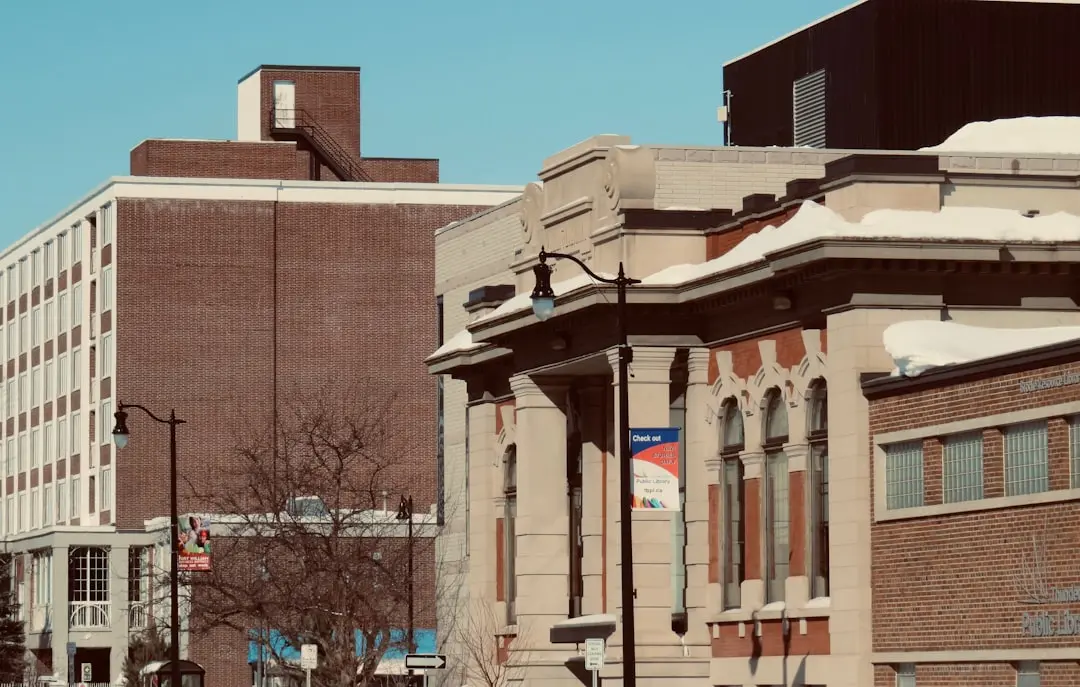
Thunder Bay Travel Costs in 2026: Backpacker, Nomad & Luxury Budgets
Canada · North AmericaThunder Bay is a rugged Lake Superior city that trades flashy tourism for wild nature, cheap eats, and a calm, outdoorsy vibe. Mid-August brings the Canadian Lakehead Exhibition and live waterfront concerts to the heart of the city. Scores: backpacker 6.0, nomad 5.5, luxury 4.5.
Is Thunder Bay Expensive? The Short Answer
Thunder Bay is mid-range. At $50 a day for backpacker travel it costs more than 64% of the 399 destinations we track.
- A short trip of 4 nights costs about $200, excluding flights.
- A week costs about $350; a month is about $1500.
- That works out at $50 a day for backpacker travel.
Living in Thunder Bay: Backpacker Guide for 2026
Thunder Bay is the budget traveler's wild card: a mid-size city on the edge of Lake Superior that swaps hostels and neon for silent forests, cliff-jumping water, and campfire conversation. Right now (mid-August) the summer festival circuit is in full swing, with the Canadian Lakehead Exhibition and live waterfront concerts filling the calendar. It's not a Southeast Asia-style backpacker machine, but if you want genuine nordic wilderness culture at Canadian prices, this is one of the last places you'll find it without a traffic jam.
Accommodation is climbing but still reasonable. HI Thunder Bay is the local backpacker anchor, offering simple dorms and a common room that feels like a hunting lodge. For food, skip tourist restaurants and hit the Portuguese bakery on Court Street, the food trucks by Marina Park, and grocery deli counters. Almost all the best activities are free: hiking the Sleeping Giant, swimming at Temperance River, and watching the sunset from Mount McKay. When you need a shower and a change of scene, the downtown library offers free wifi and a calm workspace.
The neighborhoods to aim for are the Downtown core and the Bay Street area, where cheap diners, grocery stores, and the marina are all walkable. The quieter Fort William historical district has heritage charm and a few budget B&Bs. Avoid spreading out too far: Thunder Bay is spread out, and a daily bus pass (about $6) is your friend. On a strict budget, target $50-55/day: a $30 hostel bed, $15 in food from markets, and a few bucks for transit.
Money-saving tricks: cook two meals a day, pick up a Canada Parks Discovery Pass if you plan on visiting multiple parks, and camp at provincial parks for $30-40 a night instead of a hostel. Go with a crew to split gas for the 30-minute drive to Sleeping Giant. Thunder Bay isn't famous with backpackers yet, which means fewer crowds and a deeper, wilder experience for every dollar you save.
How Much Does Thunder Bay Cost? Daily and Monthly Budget
| Travel style | Day | Week | Month |
|---|---|---|---|
🎒BackpackerHostels, street food, public transport | $50/day | $350/week | $1500/month |
💻Digital NomadPrivate room, cafes, coworking spaces | $80/day | $560/week | $2400/month |
✨LuxuryHotels, fine dining, private transfers | $300/day | $2100/week | $9000/month |
Internet Speed in Thunder Bay for Remote Work
Where to Stay in Thunder Bay: Best Neighborhoods
Downtown / Waterfront
$The lively core with restaurants, the marina, and the Delta hotel. Good for anyone who wants walkability and quick access to Lake Superior.
Bay / Algoma
$A student-friendly area with budget cafes, the hostel, and a bohemian vibe. Best for backpackers and nomads on a tighter budget.
Fort William Historical District
$A quieter, heritage-rich neighborhood with century-old buildings, museums, and independent shops. Ideal for travelers wanting local character.
Northwood / University Area
$Residential area near Lakehead University with affordable long-term rentals and green space. Good for digital nomads and students.
Weather in Thunder Bay This Week
Pros and Cons of Living in Thunder Bay
Pros
- +Close to stunning Lake Superior and Sleeping Giant
- +Much cheaper than Toronto or Vancouver
- +Abundant free outdoor activities (hiking, swimming, camping)
- +Safe, low-crime feel compared to larger cities
- +Friendly locals and authentic northern hospitality
- +Reliable fiber internet across the city
- +Easy eTA/visa access for many nationalities
- +Less crowded than major Canadian tourist spots
- +Great summer festivals (Lakehead Exhibition, live music)
- +Potential for northern lights in fall and winter
Cons
- -Extremely cold, long winters
- -Limited backpacker hostel and budget travel infrastructure
- -Very few true luxury hotels or fine-dining restaurants
- -Small digital nomad community with few dedicated coworking spaces
- -Public transit infrequent, city is car-dependent
- -Remote location far from major cities
- -Limited nightlife and entertainment options
- -Property crime and car break-ins can occur in some areas
- -High cost of living relative to local wages
- -Short peak season; many seasonal businesses close in winter
Thunder Bay FAQ: What Travelers Ask Most
Thunder Bay is generally safe for tourists, especially in downtown, waterfront, and tourist areas during the day. Exercise normal precautions at night and avoid isolated spots after dark; property crime exists, so keep valuables out of sight.
Late June through September offers the warmest weather and the most festivals, including the Canadian Lakehead Exhibition in August. Fall brings spectacular foliage, while winter is best for snowshoeing, skiing, and aurora viewing—if you can handle the cold.
Thunder Bay is in Canada, so most visitors need an eTA or a visitor visa, depending on nationality. US citizens just need a valid passport, and many countries qualify for visa-free stays of up to 6 months.
Thunder Bay has reliable fiber internet in most of the city, with average download speeds around 90-100 Mbps and uploads around 25 Mbps. This is stable enough for video calls and remote work, though rural cabins may be slower.
Yes. The internet is reliable, and there are a few coworking spaces and many remote-friendly cafes, but the digital nomad community is small. You can stay up to 6 months on a tourist visa, which is plenty for a slow-travel work stint.
The backpacker scene is small but friendly, centered around HI Thunder Bay and the outdoor crowd. There's less structured hostel socializing than in big cities, but you'll bond over shared hikes and campfire stories.
Backpackers should budget $50-60/day for hostels, groceries, and buses. Digital nomads spending on a furnished apartment and coworking will need about $75-90/day, while luxury travelers can easily spend $300+/day on hotels and fine dining.
Cities Near Thunder Bay
The closest destinations across the border, with distance and daily cost
Best Places to Visit in North America
Top-scoring destinations in the same part of the world.
Quick Facts
- Global Rank
- #215 of 399
- Rank in Canada
- #9 of 45
- Region
- North America
- Timezone
- Toronto
- Weather
- 12.2°C · Clear
- Backpacker
- $50/day
- Digital Nomad
- $80/day
- Luxury
- $300/day
- Monthly (backpacker)
- $1500
- Download
- 95 Mbps
- Upload
- 25 Mbps
Score by Travel Style
Do You Need a Visa for Thunder Bay?
Most visitors to Canada need an eTA (Electronic Travel Authorization); US citizens need only a valid passport. Many nationalities can stay visa-free for up to 6 months as tourists.
Is Thunder Bay Safe?
Thunder Bay is generally safe for tourists, especially in downtown, waterfront, and tourist areas during the day. Exercise normal precautions at night and avoid isolated spots after dark; property crime exists, so keep valuables out of sight.