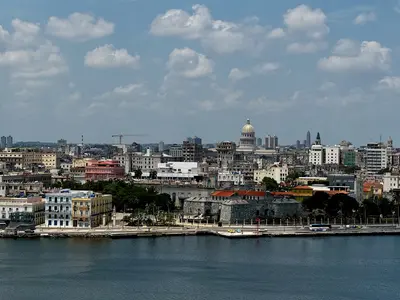
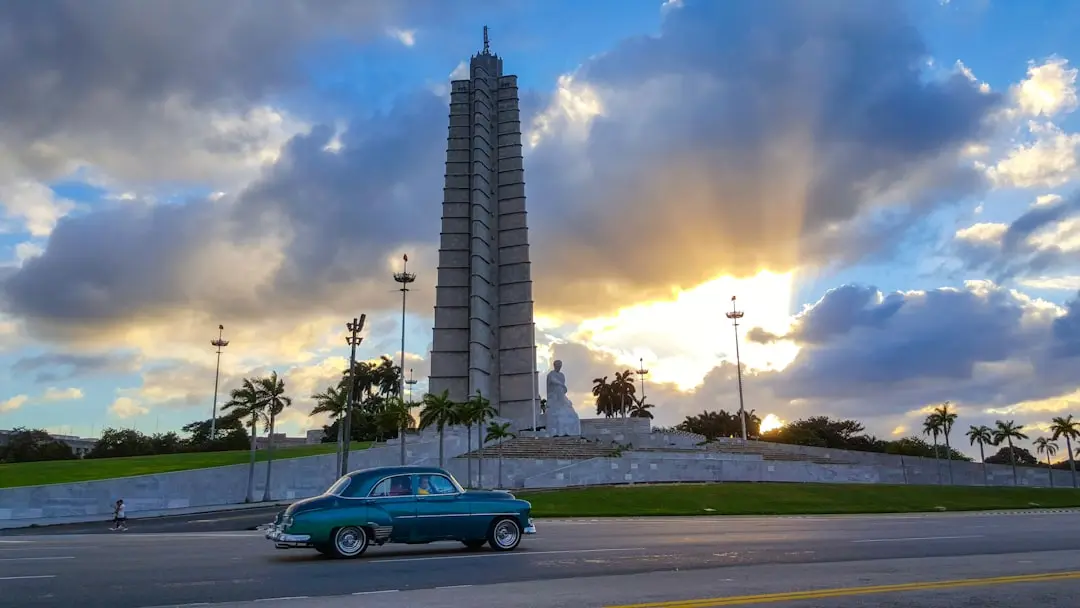
Cuba Travel Costs in 2026
North America1 destination to explore. Daily costs average $35 with internet speeds around 10 Mbps and a safety rating of 7.0/10.
Cuba Travel Costs at a Glance
- Cuba currently has 1 indexed destination pages on this site.
- Average daily cost for backpacker travel is about $35, with an average score of 5.9/10.
- Top-rated city is Havana and the most affordable option is Havana.
- Average fixed internet speed is 10 Mbps and safety is 7.0/10 based on current dataset values.
Is Cuba Expensive?
Clearly and decisively: yes, Cuba is expensive for a Latin American destination. The average backpacker on this site spends $35/day ($1,050/month), which is closer to Guatemala City than to rural Mexico, and luxury travelers budget $250/day ($7,500/month), putting it in the same price category as moderate U.S. cities. There are three structural reasons: nearly everything is imported at low volume, the state sets separate tourist prices for hotels, meals and transport, and the long-running US embargo discourages investment, forcing even basic services to price in scarce hard currency. What's more, a weak exchange rate makes change confusing, and you'll feel the pinch every time you buy a bottled water or a taxi ride.
Accommodation is the biggest line item. A good casas particular (a private home-rental that's often better than a hotel for the price) runs $30-50 a night, where a hostel dorm bed might be $15. Meals at a paladar (private restaurant) average $12-15, and a takeaway pizza or fruit cup is $3-5. Taxis are expensive: a short hop across central Havana in a classic car costs $10-12, though walking is easy and cheap. Because this site only tracks Havana, there's no cheaper second city to escape to — Trinidad or Viñales do run 20-30% less, but they're not covered here. That's why $70/day feels like a real middle ground and $250/day buys you genuine luxury: a restored colonial room, fine dining, and a chauffeur.
How Much Does It Cost to Travel in Cuba?
Since this site only covers one destination, the cheapest and most expensive place to visit in Cuba is the same city: Havana. On a backpacker budget you can get by on $35/day — a $15 hostel dorm bed, street food and fruit for $6, and free sights like the Malecón and the Plaza de la Catedral. That's the absolute floor; any less and you're skipping meals. At the other end, a night in a grand colonial hotel costs $200+, a tasting menu at a top paladar $60, a private classic-car tour $80, and a rum-tasting flight $30 — that easily reaches $250/day.
Between those poles, a realistic mid-range budget sits at $70-90/day. You'll pay $40 for a well-located casas particular, $25 for three meals at private eateries, $10 for museum entries and a local SIM card, and $10 for taxis. For comfort on a $250/day budget, you can afford the best casas with rooftops and breakfast, hire a driver for the day, and dine at the top tables nightly. This is not a regional difference — Havana is the entire site's coverage — but it does show how much your travel style, not your location, dictates daily cost. In practice, travelers who leave Havana for Varadero or Trinidad (outside this site's scope) often find prices 20-30% lower, but they sacrifice Havana's city energy.
Best Time to Visit Cuba
Cuba's high season runs from mid-November through April, when the weather is dry, sunny and reasonably warm. That's when prices peak, especially in December: Christmas, New Year's, and the Havana Biennial coincide, and casas particulares often double their nightly rates. The hurricane season, from June to November, brings hot, humid weather and the risk of storms, but it's also the cheapest time — expect rooms to drop 20-30% and fewer tourists in the streets. The real value window is the shoulder months of May and October. Both sit at the edges of the rainy season, so you'll get occasional downpours but also long sunny stretches, and rates are significantly lower than in high season.
Temperatures in Havana stay above 30°C for much of the year, so the sea breeze matters more than the season. Carnival in Santiago de Cuba (late July) is a massive street party that fills hotels there, though in Havana you'll feel it mainly through higher domestic flight demand. The Festival of Santa Barbara in early December also nudges accommodation prices up. If you book for late May or early June, you'll catch the end of the rainy season and the start of the summer lull, which is when this site's $35/day backpacker budget goes furthest. Flight prices from North America and Europe are less seasonal, but in-country costs are what will make or break your budget.
Getting Around Cuba
Getting around within Havana is a daily cost to plan for. The public bus system is cheap — a ride on a local 'guagua' costs about CUP 1 or 2 (a few cents) — but routes are confusing and crowded, so most first-time visitors skip it. The classic 1950s American taxis are one of the city's icons, but they're expensive: a 5-kilometer trip runs $8-12. For a budget middle ground, share a colectivo (a fixed-route shared taxi) at $2-3 per seat, or negotiate a private taxi for $15-20 per hour. Ride-hailing apps like La Nave and MasTaxis operate locally and charge roughly half of street-negotiated rates, but you'll need a local SIM card or data plan to use them.
This site covers only Havana, so there are no inter-city destinations within its scope. Still, many travelers plan day trips or longer escapes, and that's where Cuba's overland network bites. Viazul, the tourist bus, runs daily to Varadero, Trinidad, Viñales, Cienfuegos and Santiago de Cuba; fares run from $10 to $40 per leg, with the Trinidad crossing taking about 4 hours and Santiago a grinding 14. Domestic flights with Cubana de Aviación are infrequent and sometimes cancelled, but when they do operate, a flight to Santiago or Camagüey costs about $120-180 one-way. Renting a car is an option at $60-90/day, but fuel shortages, D-shaped potholes, and unexpected police stops make it a poor choice for most. Overland to the southern coast is not advisable during hurricane season.
Visas, Money and Entry Rules for Cuba
Most visitors need a tourist card (also called a visa) to enter Cuba. This is a piece of paper you carry on arrival, not a stamp in your passport. Citizens of the US, Canada, the EU, Australia and Mexico can buy it at the airport check-in counter for around $50-60, though US travelers should start the process earlier because their airlines sometimes require advanced purchase. The card allows a 30-day stay, which you can extend once for another 30 days at a Cuban immigration office for roughly $35. US citizens face additional rules: ordinary 'tourism' is technically not allowed, so you must have a specific category like "support for the Cuban people" — check the latest Treasury regulations before booking, as the rules have changed every few years.
Currency and cash are the biggest source of frustration. Cuba uses the Cuban peso (CUP), and the old tourist 'convertible peso' was phased out in 2021. US-issued bank cards almost never work because of the US embargo, and many international cards are declined at Cuban ATMs. The practical advice is to bring paper cash — euros are preferable, since US dollars carry a 10% surcharge when exchanged. Official exchange rates are set at cadeca booths, but the parallel market often gives a better rate, so ask your casa owner for guidance. ATMs are scarce and frequently run out of cash; those that accept foreign cards charge high fees and have low withdrawal limits. Tipping is customary: 10% at restaurants, a few CUP for hotel staff, and $1-2 for guides on short tours.