
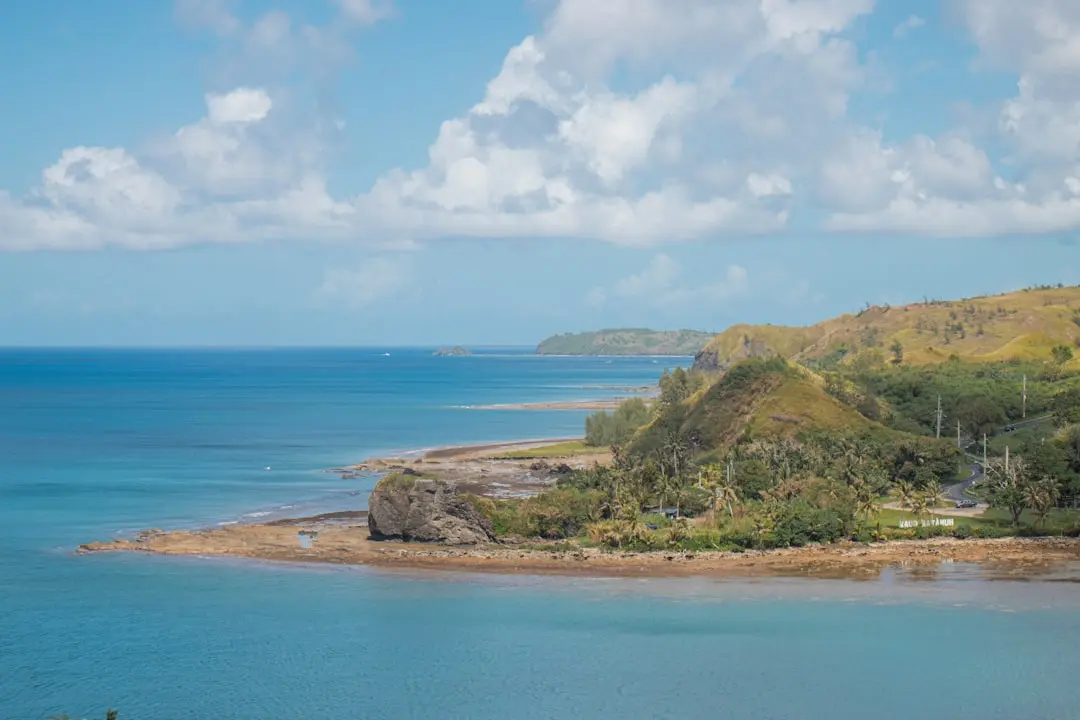
Guam Travel Costs in 2026
Oceania1 destination to explore. Daily costs average $60 with internet speeds around 60 Mbps and a safety rating of 8.0/10.
Guam Travel Costs at a Glance
- Guam currently has 1 indexed destination pages on this site.
- Average daily cost for backpacker travel is about $60, with an average score of 4.8/10.
- Top-rated city is Hagatna and the most affordable option is Hagatna.
- Average fixed internet speed is 60 Mbps and safety is 8.0/10 based on current dataset values.
Is Guam Expensive?
Guam is not a cheap destination. The published averages here put a backpacker at $60/day and a digital nomad at $95/day, while a luxury traveler should expect to spend around $280/day. Those figures reflect an island economy where nearly all food, fuel, and building materials arrive by ship or air, so every category of travel comes with a transport premium. Hagatna, the capital and the only destination this site tracks, carries the same pricing as the rest of the island.
The U.S. dollar is the local currency, and with it comes U.S.-style service, restaurant, and hotel pricing, not Southeast Asian levels despite Guam's latitude. Accommodation is the biggest line item; simple guesthouses are scarce, and most lodging targets U.S. military families and Japanese tourists. Restaurant meals follow U.S. metropolitan price points, and a night out can feel more like Honolulu than Manila. There is no low-cost local food culture to lean on, so it is hard to get below the $60/day backpacker figure even with careful planning.
How Much Does It Cost to Travel in Guam?
Because this site covers only one destination in Guam, the regional spread is effectively the gap between how you travel, not where you go. Hagatna anchors all three published figures: $60/day for backpackers, $95/day for digital nomads, and $280/day for luxury. The cheapest and most expensive destination are the same place, which is just another way of saying that you set the price. Stay in a hostel or a simple guesthouse in Hagatna, cook some meals, and use public buses and you can keep to $60-70 a day. At the other end, a luxury traveler staying in a beachfront hotel in Tumon (a ten-minute drive from Hagatna) and eating out every meal can blow past $280 without trying.
The real cost variation is by area and style. Tumon Bay, the main tourist strip, commands higher room rates and restaurant prices than downtown Hagatna, where a few local diners offer plate lunches for $10-12. Mid-range travel in Hagatna — a hotel with air-conditioning, rented car, mix of markets and restaurants — tends to land near $150 a day. For a budget traveler, the key is to avoid Tumon for lodging and to use the island's limited but cheap public transit. There is no cheaper second destination on this site, so the practical choice is to adjust your standards, not your location.
Best Time to Visit Guam
Guam's most expensive time to visit is December through April, when dry, sunny weather aligns with school holidays and flights fill from Japan and the U.S. mainland. Hotel rates in Hagatna and Tumon can jump 30-50% above the annual average during these months, and airfares follow. The wet season, from July to October, brings roughly double the rainfall, a risk of typhoons, and lower hotel rates. The real value window is May and June, just after the peak season ends and before the worst of the rain arrives. Weather is still warm and mostly fine, and accommodation often drops back to the baseline figures used on this site.
A second spike comes around Liberation Day in late July, when events pull crowds and some hotels charge holiday premiums. September can be quiet but typhoon risk is real. If you want the best balance of cost and comfort, aim for mid-May to mid-June, or late September if you are willing to gamble on weather. The dry season's reliability is the reason peak rates are high; the shoulder months avoid that premium but keep Guam's tropical temperatures around 26-30°C year-round.
Getting Around Guam
Guam is only about 200 square miles, and Hagatna is within a 15-minute drive of the island's main tourist district, Tumon Bay. There is no rail and no domestic flight network; travel between points means road transport. The island's public bus system, operated by Guam Public Transit, is local, infrequent, and cheap — fares run about $2-3 per ride — but it does not serve every hotel or late-night route. Most travelers, and especially anyone basing themselves in Hagatna, will do better renting a car. Expect to pay $45-70 per day for a small sedan from one of the airport rental agencies, plus around $4-5 per gallon for imported gasoline.
Taxis are metered in Hagatna and the ride from the airport to town is usually $25-35. Rideshare apps like Uber are present but coverage is thin and surges are common. If you are staying centrally in Hagatna and only visiting Tumon and the main shopping areas, you might get away with a mix of walking and occasional buses. However, to reach beaches, the island's south, or other practical stops, a car is the realistic option. Budget for a rental if you are on the digital nomad figure of $95/day; it will consume a big slice of that number. There are no passenger ferries within Guam — the island is a single landmass — so overland travel is the only choice, and it is straightforward.
Visas, Money and Entry Rules for Guam
Guam is a U.S. territory, so entry rules are U.S. rules. U.S. citizens do not need a passport to visit, though a passport or 'trusted traveler' card is handy; non-U.S. citizens generally need a valid U.S. visa or, for citizens of many countries, a successful ESTA waiver under the Visa Waiver Program. Most visitors are allowed a 90-day stay (or whatever the U.S. entry officer grants, up to six months for citizens). The currency is the U.S. dollar, and credit cards are accepted at almost all established hotels, restaurants, and car-rental agencies in Hagatna and Tumon. Cash remains useful at small local eateries, public buses, and for tips; ATMs are plentiful, and for U.S. visitors there is no exchange-rate trap.
Tipping follows U.S. norms: 15-20% at sit-down restaurants, $1-2 per bag for helping with luggage, and a tip for hotel housekeeping. Non-U.S. visitors should watch for dynamic currency conversion when using foreign cards and choose to be charged in dollars if given a choice. Guam enforces strict agricultural quarantine, so do not bring fresh food, plants, or meat without declaring them; penalties are steep. Entry is straightforward but border checks can be thorough. There are no visa-on-arrival counters for most non-U.S. passport holders, so sort out your ESTA or visa before you fly.