
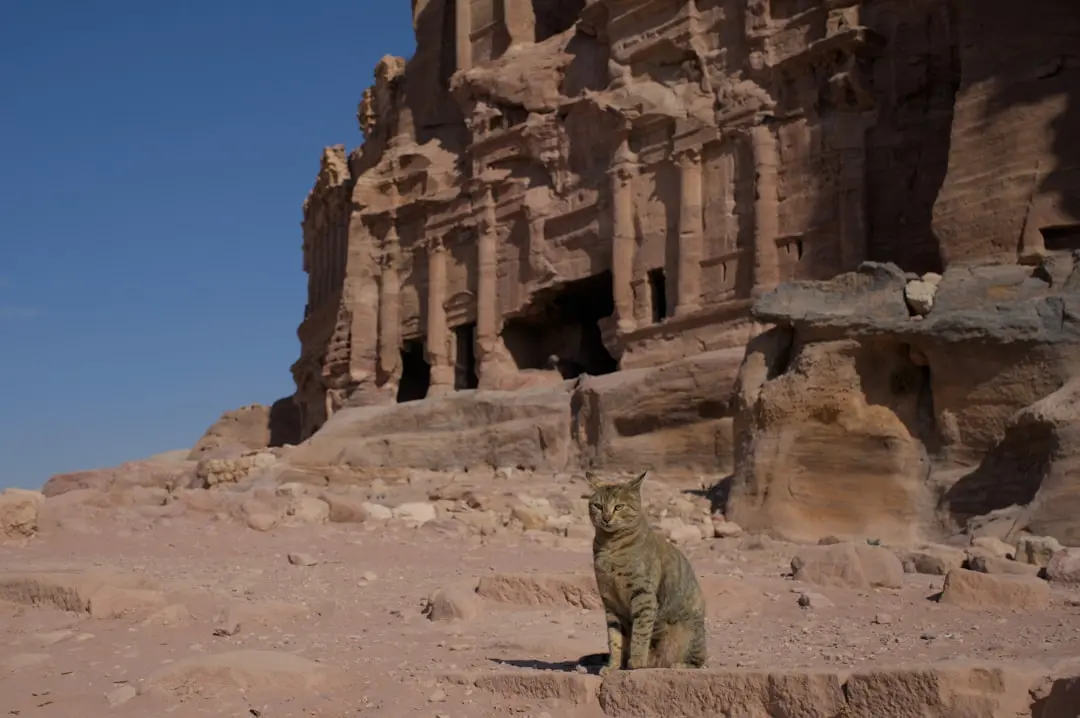
Jordan Travel Costs in 2026
Middle East2 destinations to explore. Daily costs average $30 with internet speeds around 35 Mbps and a safety rating of 8.0/10.
Amman is a safe, affordable Middle East base with ancient Citadel views, bustling souks, and the Jerash Festival winding down this month. Budget travelers thrive on $2 falafel, nomads find fast Wi-Fi and cozy coworking, while luxury visitors enjoy five-star stays at half the price of Dubai.
Amman is a safe, affordable Middle East base with ancient Citadel views, bustling souks, and the Jerash Festival winding down this month. Budget travelers thrive on $2 falafel, nomads find fast Wi-Fi and cozy coworking, while luxury visitors enjoy five-star stays at half the price of Dubai.
Jordan Travel Costs at a Glance
- Jordan currently has 2 indexed destination pages on this site.
- Average daily cost for backpacker travel is about $30, with an average score of 6.8/10.
- Top-rated city is Amman and the most affordable option is Amman.
- Average fixed internet speed is 35 Mbps and safety is 8.0/10 based on current dataset values.
Is Jordan Expensive?
Jordan is a mid-priced Middle Eastern destination — cheaper than the Gulf states, but noticeably more expensive than Egypt or Turkey. The country imports nearly all its fuel, much of its food, and many building materials, which pushes prices up; the Jordanian dinar is pegged to the US dollar, so your home currency's strength matters a lot. Tourism infrastructure is well developed around the biggest sites, and that convenience carries a premium in entrance fees and accommodation.
For a backpacker, expect to spend around $30 per day, or $900 per month, based on the site's averages. Budget rooms in Amman start at $15 a night, and street falafel runs under $2, so $25 a day is doable in the capital. Petra, with limited budget lodging and high site-entry fees, raises that to $35 a day. Mid-range travellers, including digital nomads, typically spend about $55 a day, or $1,650 per month, covering private rooms, restaurant meals and occasional taxis. At the luxury end, five-star hotels and guided tours in Petra can push daily spending to $250, or $7,500 a month. Prices also climb during the spring and autumn rush, when demand from European tour groups inflates hotel rates especially in Wadi Musa.
How Much Does It Cost to Travel in Jordan?
Within Jordan, prices vary significantly between the two destinations this site covers: the capital Amman and the archaeological site of Petra. Amman is the cheapest, with a backpacker daily cost of $25. The city has a dense network of hostels, guesthouses and kebab shops, and you can eat three meals for under $10 if you stick to street vendors. Petra, by contrast, is the most expensive spot, at $35 a day for backpackers. The reason is simple: the town of Wadi Musa has fewer budget beds, and the Petra Visitor Center charges a steep entry fee (around 70 JOD for a two-day pass, roughly $99), which alone can blow a daily budget.
A realistic daily range for a budget traveller across Jordan is $25 to $35. Mid-range travellers booking private rooms and eating in tourist-cafe restaurants should plan for $55 to $100 per day. Comfortable travellers, staying in four-star hotels and taking guided tours, will rarely spend less than $200 and often reach $250. The gap between Amman and Petra narrows if you base yourself in Amman and do a day trip, but that adds three hours of driving each way, and most visitors choose to sleep in Wadi Musa to catch Petra at sunrise.
Best Time to Visit Jordan
Jordan's weather swings sharply. Summer (June to August) is brutally hot in Amman and Petra, with temperatures regularly above 35°C; hotel prices drop, but sightseeing becomes unpleasant. Winter (December to February) brings cold nights and occasional snow in Amman, plus heavy rain that can close the road to Petra. The sweet spot is the shoulder season: March to May and September to November. During these months, daytime temperatures sit in the low-to-mid 20s, ideal for hiking Petra and exploring Amman's Citadel.
Accommodation prices spike around Easter weekend and Christmas, when religious tour groups flood in, and during the Amman International Theatre Festival in early June. The Petra Desert Marathon, held in September, also fills hotels in Wadi Musa for a weekend. Ramadan also changes the rhythm: if you visit during the holy month (expected to begin in February 2026), many restaurants are closed during daylight, and eating in public can be uncomfortable for visitors. Prices stay normal, but it's a quieter, more conservative trip. If you're chasing the lowest room rates, aim for January or July, but be prepared for extreme weather. For the best balance of comfort and cost, book for late April or early October, when shoulder-season pricing still applies and the desert flowers are out.
Getting Around Jordan
The most practical way to travel between Amman and Petra is by private taxi, shared service taxi, or the JETT bus. The JETT bus runs twice daily between the Abdali station in Amman and Wadi Musa, the town at the gates of Petra; the journey takes about three hours and costs around 10 to 12 JOD (roughly $14 to $17). Shared service taxis are faster and only a little cheaper. Renting a car from Amman airport gives you independence, but fuel is heavily taxed — expect to pay around 0.95 JOD per litre (about $1.34), and parking in Petra and Amman is tight. Domestic flights are not a practical option; the only scheduled route that might help is Amman to Aqaba, but that's not one of the two covered destinations.
For getting around Amman itself, you can rely on taxis and ride-hailing apps. Uber and Careem are well stocked, with fares from around 2 JOD for a short trip. Public buses within the city are cheap but confusing for newcomers. If you're heading straight from the airport to Petra, many travellers opt for a private transfer — it costs about 30 to 40 JOD (roughly $42 to $56) and shaves an hour off the trip. For a multi-day Jordan itinerary, a rental car is often the best value, but be aware that the drive from Amman to Petra includes winding mountain roads and occasional checkpoints.
Visas, Money and Entry Rules for Jordan
Most visitors from the US, UK, EU, Australia and many other countries obtain a tourist visa on arrival at Queen Alia International Airport. The single-entry visa costs 40 JOD (about $56), but it's free if you buy a Jordan Pass (starts at around 70 JOD for a two-day Petra entry) and stay at least two nights. The visa is typically valid for 30 days. Your passport must be valid for at least six months from your arrival date.
The local currency is the Jordanian dinar (JOD), pegged at roughly 1 JOD = $1.41. Cards are accepted in Amman hotels, most restaurants and at tourist sites, but cash is essential in Wadi Musa stores and for street food. Tipping is customary: around 10% in restaurants when service isn't included. ATM fees are steep, and many machines limit withdrawals; bring enough dollars or euros to exchange at your hotel. Visa extensions are easy to arrange at any police station; they cost about 10 JOD for an extra 30 days. One entry note: if your passport contains Israeli stamps, you may be refused entry into a few other Arab countries later — Jordan itself allows entry, but check your onward itinerary. Also, be aware that drone photography is strictly prohibited without special permits, even for personal use, and can result in confiscation.
All Destinations in Jordan
 🇯🇴
🇯🇴Amman
7.1 · GreatAmman is a safe, affordable Middle East base with ancient Citadel views, bustling souks, and the Jerash Festival winding down this month. Budget travelers thrive on $2 falafel, nomads find fast Wi-Fi and cozy coworking, while luxury visitors enjoy five-star stays at half the price of Dubai.
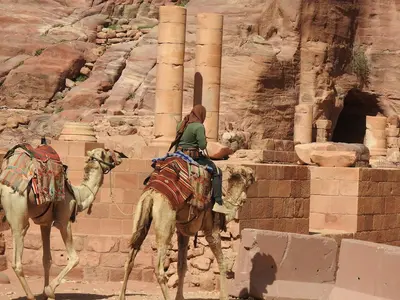 🇯🇴
🇯🇴Petra
6.5 · GoodPetra is the ancient Nabataean city carved into rose-red cliffs, a bucket-list wonder that draws thousands daily. August is scorching, but the Jordan Pass and multi-day tickets help budget travelers. The Jerash Festival of Culture and Arts runs nearby through August, adding a festive layer to a desert adventure.