
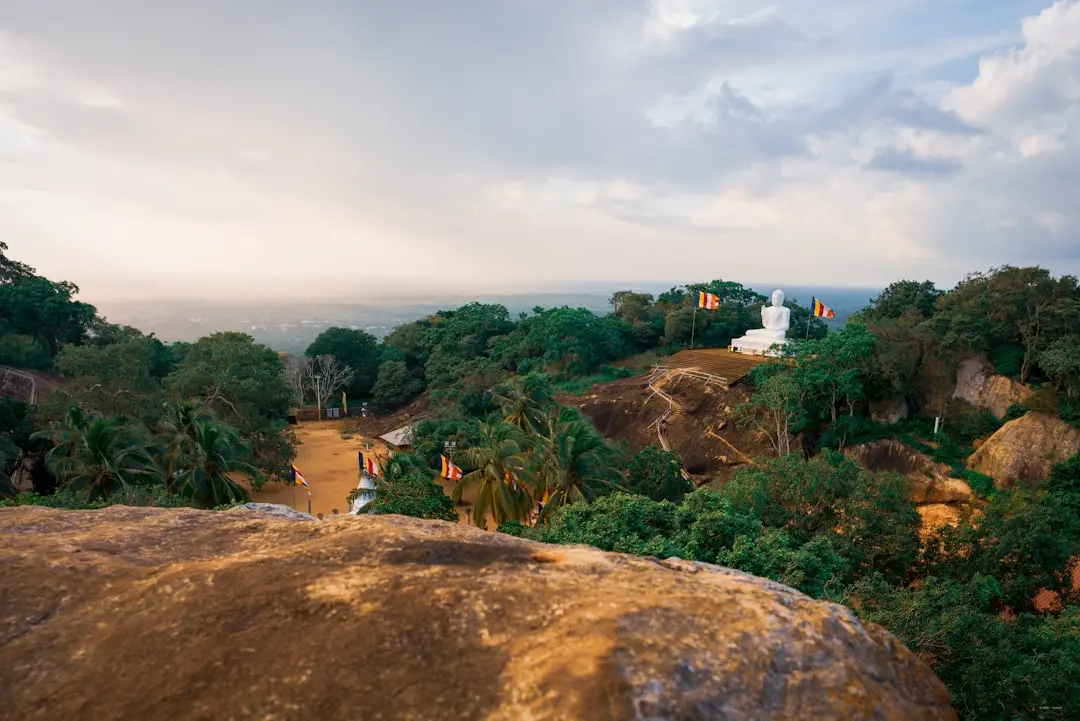
Kandy, the cultural heart of Sri Lanka, is buzzing with the Kandy Esala Perahera festival throughout August. Backpackers love the cheap hostels and street curry joints, while digital nomads find growing café cultures. Luxury travelers enjoy boutique hillside retreats overlooking the lake. Don't miss the Temple of the Tooth.
Colombo is a chaotic yet charming capital where colonial history meets tropical energy. August brings monsoon showers and the vivid Esala Perahera festival, making it a colorful, budget-friendly destination for adventurous travelers.
Sri Lanka Travel Costs at a Glance
- Sri Lanka currently has 2 indexed destination pages on this site.
- Average daily cost for backpacker travel is about $24, with an average score of 8.1/10.
- Top-rated city is Kandy and the most affordable option is Colombo.
- Average fixed internet speed is 40 Mbps and safety is 7.3/10 based on current dataset values.
Is Sri Lanka Expensive?
Is Sri Lanka expensive? Most travellers would say no. The site's numbers put backpacking at $24/day, digital nomads at $60/day, and luxury at $245/day – low for an island that requires a flight to reach. Prices are held down by a weak rupee, cheap local labour, and tourism infrastructure that keeps guesthouses and train fares affordable. Imported goods, though, cost a lot, which is why eating Western food or renting a car-inclusive holiday can quickly double your budget.
The real cost driver is transport to get here: flights from Europe or the Middle East are often the single largest line item. Once you land, accommodation is the next biggest expense, and local food is famously cheap – a rice-and-curry plate runs $2–4. Seasonality also shifts prices: December and January peak rates at the beach are 30–50% higher, while monsoon months (May–June in the southwest) see big discounts. So the honest verdict: Sri Lanka is genuinely cheap if you travel like a local, but modest by international standards if you want air conditioning, private drivers, and imported wine. Budget $24/day backpacking, $60/day for a nomad needing reliable Wi-Fi, and $245/day for a room with a pool and western breakfast.
How Much Does It Cost to Travel in Sri Lanka?
Within Sri Lanka, costs vary by destination. Colombo is the cheapest at $20/day backpacking – a dorm bed, street food, and local buses. Kandy, the highest-rated town for remote workers, averages $28/day backpacking. The gap isn't about food (both are cheap) but about accommodation: Kandy has fewer hostels and guesthouse rooms get booked out, so prices rise. Also, Kandy sits on the train line into the Hill Country, so if you're using it as a base for Ella or Nuwara Eliya, you'll spend extra on transport that isn't in the daily average.
For a realistic daily budget, a backpacker should plan $20–25/day for a dorm bed, three local meals, and one bus ride. Mid-range travellers ($40–60/day) get a private air-conditioned en-suite room, café breakfast, and a few tuk-tuk rides. Comfort travellers ($80–120/day) can add a guided tea tour, a private driver, or a hillside boutique hotel. Kandy's 7.3/10 remote-worker score reflects the fact that hill-station Wi-Fi is reliable and coworking spaces are popping up, but you'll pay a premium for that comfort. In both cities, the biggest daily cost is accommodation – not food or transport.
Best Time to Visit Sri Lanka
Peak season on the west and south coasts – including Colombo – runs from December to March, when the weather is dry and temperatures sit in the high 20s. This is the most expensive time: Kandy guesthouses and beach hotels can run 30–50% above their low-season rates. The actual value window is November and April. November has just emerged from the northeast monsoon, so roads are quiet and prices 15–25% cheaper than in December; April is hot but dry, with rates falling after Easter. In the southwest, May and June are cheap because the monsoon dumps rain on Colombo and the west coast, but you'll still get sunny bursts in Kandy's hills.
The northeast coast (Trincomalee, Passikudah) follows a different rhythm: its dry season runs April–September, so summer travellers heading east avoid the rain and pay normal rates. One warning: Sinhala and Tamil New Year in mid-April, roughly a week long, sees huge domestic travel – rooms in Kandy and family resorts sell out at premium prices. Vesak, the full-moon festival in May, also spikes Colombo accommodation. For the best combination of weather and price, plan for early November or late April, and book well ahead if you're hitting any holiday week.
Getting Around Sri Lanka
Getting between Colombo and Kandy is straightforward – about 115 km of twisting road, with the train the best option. The main Kandy train leaves Colombo Fort around 7:00am and takes 2h45m, passing through tea-country views. A second-class seat is $2.50, first class $5 – an absurd bargain. Express buses cost $1.50–2 and take 3–4 hours, but they're hot and packed. A private car through PickMe or Uber runs $35–45 and gets you there in 2h15m if you leave early. No domestic flights connect the two; it's too short.
From Kandy you can continue to the Hill Country – Ella and Nuwara Eliya – on the famous train, with seats from $5 to $20 depending on class. For the northeast coast, take the train or bus from Colombo to Batticaloa (5–6 hours), then a taxi to the beach. Driving yourself is not recommended: roads are narrow, Kandy's town centre is chaotic, and rentals cost $30–50/day plus insurance. Tuk-tuks are the local hop-on hop-off for short trips, running $0.30–0.50/km.
Visas, Money and Entry Rules for Sri Lanka
Most visitors to Sri Lanka need a tourist Electronic Travel Authorization (ETA), applied for online at least 24 hours before arrival. It grants 30 days of tourism and can be extended for another 60. The fee is typically around $35, though some nationalities – including Indian, Malaysian, and a few others – get it free. You'll be asked to show an onward ticket and a hotel booking for the first night, and your passport must have six months' validity and a blank page for the stamp.
Once on the ground, the Sri Lankan Rupee is the currency. Cards work fine in Colombo and Kandy – at hotels, supermarkets, and mid-range restaurants – but smaller towns are cash-only, so carry notes for buses, street food, and souvenir stalls. ATMs are plentiful, but fees climb fast at private machines; use state banks like Bank of Ceylon or People's Bank. Tipping is appreciated, not compulsory: 10% at sit-down restaurants, a few hundred rupees (about $1–2) for a day's guide or driver, and loose change for porters. One practical trap: airport exchange counters give poor rates, so take a no-fee ATM card and withdraw a big lump sum instead. Don't rely on cards for local transport – the train and bus accept cash only.
All Destinations in Sri Lanka
 🇱🇰
🇱🇰Kandy
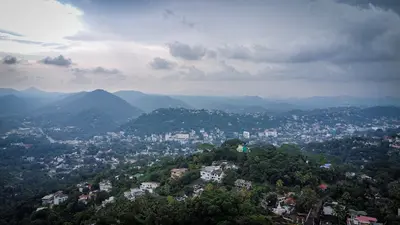
8.7 · ExcellentKandy, the cultural heart of Sri Lanka, is buzzing with the Kandy Esala Perahera festival throughout August. Backpackers love the cheap hostels and street curry joints, while digital nomads find growing café cultures. Luxury travelers enjoy boutique hillside retreats overlooking the lake. Don't miss the Temple of the Tooth.
 🇱🇰
🇱🇰Colombo
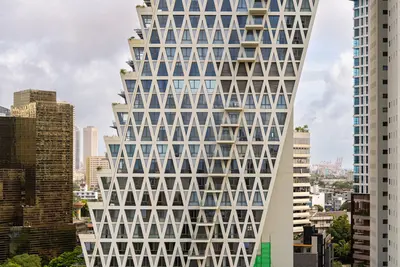
7.6 · GreatColombo is a chaotic yet charming capital where colonial history meets tropical energy. August brings monsoon showers and the vivid Esala Perahera festival, making it a colorful, budget-friendly destination for adventurous travelers.