Bangladesh Travel Costs in 2026
Asia1 destination to explore. Daily costs average $15 with internet speeds around 40 Mbps and a safety rating of 5.0/10.
Bangladesh Travel Costs at a Glance
- Bangladesh currently has 1 indexed destination pages on this site.
- Average daily cost for backpacker travel is about $15, with an average score of 6.5/10.
- Top-rated city is Dhaka and the most affordable option is Dhaka.
- Average fixed internet speed is 40 Mbps and safety is 5.0/10 based on current dataset values.
Is Bangladesh Expensive?
Bangladesh is one of the cheapest countries in the world to travel, and the figures published here back that up: a backpacker averages $15 per day, which comes to $450 per month. That puts daily costs below most of South Asia, on par with Nepal and cheaper than India's better-known tourist trail. The reason is simple: local wages are low, street food is abundant, and public transport is heavily subsidised. A filling meal of rice, dal and vegetables often costs under $2, and a shared rickshaw ride across a neighbourhood might be 50 cents. Domestic flights and imported goods are the exceptions — a foreign beer or a Western-style hotel room can quickly eat a day's budget.
Yet costs climb fast if you move beyond backpacking basics. Digital nomads planning to work remotely should budget $60 per day ($1,800 per month) for a decent apartment with reliable 40 Mbps internet, a workspace-friendly café, and the occasional appliance imported from abroad. At the top end, $250 per day ($7,500 per month) buys a luxury hotel in Dhaka, fine dining, and private transport. The key is that Bangladesh itself is cheap; what you pay is mostly determined by how much imported comfort you demand.
How Much Does It Cost to Travel in Bangladesh?
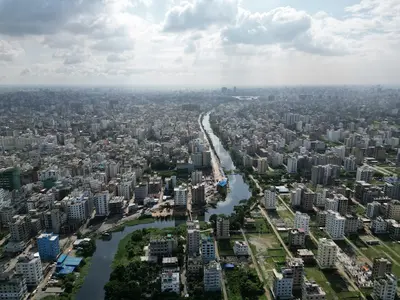
On this site, Bangladesh has exactly one destination: Dhaka. That means the cheapest and most expensive destinations are the same city, so there is no internal price gap to contrast. The $15-a-day backpacker budget and the $250-a-day luxury budget both apply to the capital — the difference is entirely about how you live once you are there. A budget traveller stays in a basic guesthouse in Mirpur or Old Dhaka, eats from street stalls, and uses rickshaws and buses; $15 is realistic. A mid-range traveller — the kind the site's $60-per-day nomad figure describes — will choose a mid-scale hotel near Gulshan or Banani, eat in airconditioned cafés, and take ride-share cars. $250 a day buys the top floors of an international chain hotel, with restaurant meals and a car and driver.
If you venture outside Dhaka, costs are lower still. In smaller towns like Sylhet or Khulna, a simple room goes for $5-8 a night and meals for $1-2, so a disciplined backpacker could get by on $12-15. But the site's figures are Dhaka-specific, and that is where your flight arrives. The practical budget range for a day in Bangladesh, if you want to include the capital, is roughly $15 on the very cheap end, $60 for comfort, and $250 for luxury — all within the same city, depending on your choices.
Best Time to Visit Bangladesh
The best time to visit Bangladesh is from November to February, when the weather is cool, dry and pleasant, with daytime temperatures in the 20s°C. This is also the high season, so expect higher prices for hotels and packed trains, though still cheap by global standards. March and April are the hot months, with temperatures above 35°C and oppressive humidity; they are also when Pohela Boishakh, the Bengali New Year, falls in mid-April, bringing street festivals in Dhaka and a spike in accommodation demand overnight. If you want value, the true shoulder months are October and March: the monsoon is receding in October, and March still has bearable mornings even if the afternoons are hot. Prices for rooms in Dhaka are typically 20-30% lower than in peak winter.
From May to September, the southwest monsoon drenches the country. June and July are the wettest months, and travel can be disrupted by flooding, though Dhaka's urban core moves on. This is the cheapest window to fly in and book hotels, and if you don't mind afternoon downpours you'll have many sights to yourself. However, the humidity is exhausting and some transport links to northern districts wash out. If you're flexible, aim for late October, when the rain has largely stopped but the winter high season hasn't begun — you get the best of both worlds in price and weather.
Getting Around Bangladesh
Since this site covers only Dhaka, your transport planning is mostly about getting to the capital and moving inside it. Hazrat Shahjalal International Airport is the main entry point, with direct flights from Bangkok, Delhi, Dubai, Doha, London and elsewhere. A prepaid taxi from the airport to downtown costs $8-12, while the metro's MRT Line 6 — the city's first, partially open since 2022 — now connects the airport area to Motijheel for less than $1. Inside Dhaka, the classic rickshaw is hard to beat for short trips at $0.50-1.00, and CNG auto-rickshaws cover longer distances for $2-4. The public bus network is chaos and not recommended for a confused first-timer. Ride-hailing apps like Uber and Pathao operate; a 5 km trip costs $3-5.
If you do want to leave Dhaka, domestic flights to Chittagong, Sylhet or Cox's Bazar cost $50-80 one-way, while overnight buses to those cities run $8-15. The railway is slow but scenic; a Dhaka-to-Sylhet train in second class is about $4. Bangladesh is not a place for self-driving — traffic in Dhaka is infamous, and outside the capital roads are poorly signposted. Overland entry from India is possible by road from West Bengal, but the paperwork and time required make flying in far simpler. For the purpose of this guide, plan your Dhaka days using the metro, CNGs, and your own feet.
Visas, Money and Entry Rules for Bangladesh
Most nationalities need a visa to enter Bangladesh. As of 2026, many passports—including those from the US, UK, EU, Australia, and Canada—can apply for a tourist e-visa online in advance, which costs roughly $50-70 depending on nationality and length of stay. Some countries get visa on arrival at Dhaka airport, but it is not guaranteed; always check the Bangladesh Bureau of Immigration website before flying. A standard tourist visa is usually valid for 30 days, extendable once. You may be asked to show a return ticket and proof of funds worth $500 or more. Keep a passport photo handy.
The local currency is the Bangladeshi taka (BDT). You can exchange cash at banks and licensed money changers; ATMs are widespread in Dhaka and most major hotels, but foreign cards often hit withdrawal limits of $200-300 per day plus a failure-prone connection. Carry enough cash for street food and rickshaws, as cards are accepted only in mid-range and up restaurants, hotels, and super-shopping malls. Tipping is not expected but is appreciated—round up a rickshaw fare or leave 5-10% at a decent restaurant. Avoid exchanging at the airport black-market counters, and never accept torn banknotes, as many shops will refuse them. Be careful with water and street food hygiene, and note that some countries restrict entry to your next destination if your passport has certain stamps—check your itinerary.