
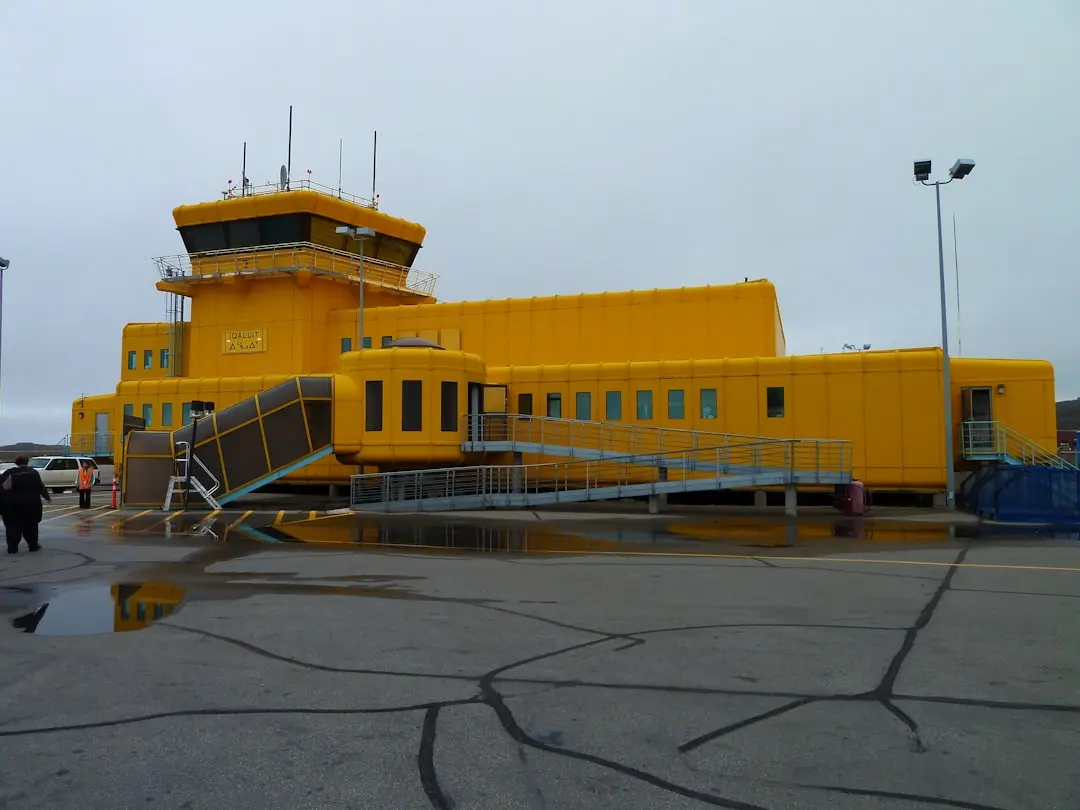
Iqaluit Travel Costs in 2026: Backpacker, Nomad & Luxury Budgets
Canada · North AmericaIqaluit, the capital of Canada's Nunavut Territory, is a truly off-the-beaten-path Arctic destination. While August offers long, golden days without a freezing chill, there are no major festivals this month—just the raw beauty of the tundra and a fascinating Inuit culture. Expect high prices, limited amenities, and an adventure like nowhere else.
Is Iqaluit Expensive? The Short Answer
Yes — Iqaluit is expensive. At $80 a day for backpacker travel it costs more than 94% of the 399 destinations we track.
- A short trip of 4 nights costs about $320, excluding flights.
- A week costs about $560; a month is about $2400.
- That works out at $80 a day for backpacker travel.
Living in Iqaluit: Backpacker Guide for 2026
Welcome to Iqaluit, where your backpacker instincts will be tested not by crowds but by the sheer might of the Arctic. This is not your typical Southeast Asia trail—it's a place where the word 'budget' becomes abstract. Yet here you'll find a raw, authentic experience that no Instagram-famous hostel can offer. August means 24-hour daylight, giving you endless time to explore the tundra, kayak in Frobisher Bay, or watch local Inuit artists carve soapstone. The vibe is frontier simplicity, and the few travelers who make it here form a tight-knit, adventurous family.
Your best bet for a cheap sleep is the Apex Guest House, a modest but welcoming spot that offers dorm beds for around $50 a night. Street food isn't a thing, but you can eat well on a budget by shopping at the Northern Store for basics and local catches like Arctic char. Cooking your own meals is the single biggest money-saver. Free activities are everywhere: hike to the cultural center at the top of the hill, walk the coastline for miles, or join a community language exchange. Keep your eyes open for free events at the Anglican Church or the local visitors' center.
To stay truly cheap, head to the residential area of Apex—a short bus ride from downtown. It's quieter than the center, where hotel prices are sky-high. You'll find that the locals are incredibly friendly and often happy to show you around in exchange for good conversation. The 'Flats' neighborhood, near the shoreline, offers a more authentic glimpse of everyday life, though you'll be farther from the few amenities. Wherever you lay your head, remember that you're in one of the most remote capital cities on Earth.
Daily your backpacker costs will hover around $80, which is simply unavoidable given the logistics of Arctic life. To keep it down, fly with the smaller local airlines, bring your own energy bars and dry goods from the south, and embrace the fact that a beer costs $12. But the reward for this frugality is an unforgettable adventure: you'll see the Northern Lights in winter or the midnight sun in summer, and you'll have a story that no hostel roommate will ever top. So pack light, budget big, and let Iqaluit reset your travel compass.
How Much Does Iqaluit Cost? Daily and Monthly Budget
| Travel style | Day | Week | Month |
|---|---|---|---|
🎒BackpackerHostels, street food, public transport | $80/day | $560/week | $2400/month |
💻Digital NomadPrivate room, cafes, coworking spaces | $120/day | $840/week | $3600/month |
✨LuxuryHotels, fine dining, private transfers | $350/day | $2450/week | $10500/month |
Internet Speed in Iqaluit for Remote Work
Where to Stay in Iqaluit: Best Neighborhoods
Downtown Iqaluit
$$The heart of the city, home to the legislative assembly, the main hotels, restaurants, and the airport's proximity. It's the most convenient area for staying close to amenities, but it's also where prices are highest.
Apex
$A short walk from downtown, this is a charming, traditional community known for its scenic location by the bay. It offers a more local feel and a touch of quiet, with lovely views and a sense of Arctic history.
The Flats
$The lowest-lying residential area, closer to the shoreline and the (often frozen) bay. It's an authentic, in-the-know neighborhood where locals live; you'll find fewer amenities but a strong sense of community and proximity to the tundra.
Weather in Iqaluit This Week
Pros and Cons of Living in Iqaluit
Pros
- +Once-in-a-lifetime Arctic destination
- +Authentic Inuit culture and art
- +Safe, low violence rates
- +Stunning natural landscapes
- +Unique wildlife (musk ox, whales, birds)
- +24-hour summer daylight offers endless exploration
- +Northern Lights in winter months
- +Small, close-knit community
- +Excellent for photographers and adventurers
- +Off-the-beaten-path exclusivity
Cons
- -Extremely high cost of living
- -Remote location with only occasional flights
- -Limited food options, especially fresh produce
- -Harsh weather and extreme cold in winter
- -Slow and unreliable internet connectivity
- -Minimal nightlife and entertainment
- -Very few tourism services and amenities
- -Difficult to travel to/from on short notice
- -High accommodation prices
- -Dark polar night in winter can be depressing
Iqaluit FAQ: What Travelers Ask Most
Yes, Iqaluit is generally safe for tourists. Violent crime is rare. However, property crime rates are higher than in southern Canada, so keep your belongings secure and avoid walking alone at night in quieter areas. The biggest safety concerns are environmental: always dress for the weather, and be aware of thin ice or sudden storms.
The best time is from mid-June to mid-Sept, when temperatures are milder and the sun never truly sets. August offers long, warm days, but be prepared for changeable weather. Winter (Nov to April) brings the Northern Lights and a true Arctic experience, but temperatures can plunge below -40°C. If you want to see the lights, visit between December and March.
As Iqaluit is in Canada, the same entry rules as the rest of Canada apply. Citizens of visa-exempt countries (like the U.S., UK, and EU) need an eTA, while others need a visitor visa. For the most accurate information, check the official Canadian government website or your nearest embassy.
Internet speeds in Iqaluit have improved but remain limited and somewhat unreliable. Watch for downloads around 15 Mbps and uploads under 5 Mbps. Satellite and mobile networks are the safest backup. Several cafes and hotels offer free wifi, but don't plan on video-heavy remote work without a backup solution.
Technically yes, but it comes with challenges. The high cost of living and unreliable internet make it difficult, plus there is essentially no digital nomad community. It's best for short, adventure-oriented workations where you can tolerate interruptions and are willing to pay premium prices. For serious remote work, you'd be better off in a larger city.
The backpacker scene is virtually nonexistent in the traditional sense. There are no flashpacker hostels or trendy social hubs. You'll find a few budget guesthouses, and the few travelers you meet will be independent, adventurous souls. It's a place for true explorers rather than those seeking a party atmosphere.
Budget backpackers should expect to spend about $80 per day, which still means cooking your own meals and staying in the cheapest guesthouse. A more comfortable middle ground for remote workers or tourists is around $120 to $150 per day, and luxury travelers will easily spend $350+ for a nice hotel, fine dining, and private excursions. Be aware that flights to Iqaluit are especially costly.
Cities Near Iqaluit
The closest destinations across the border, with distance and daily cost
Best Places to Visit in the Arctic and Far North
Top-scoring destinations in the same part of the world.
Quick Facts
- Global Rank
- #393 of 399
- Rank in Canada
- #45 of 45
- Region
- North America
- Timezone
- Toronto
- Weather
- 1°C · Cloudy
- Backpacker
- $80/day
- Digital Nomad
- $120/day
- Luxury
- $350/day
- Monthly (backpacker)
- $2400
- Download
- 15 Mbps
- Upload
- 5 Mbps
Score by Travel Style
Do You Need a Visa for Iqaluit?
Canada's entry rules apply to Iqaluit. Most U.S. and EU citizens need an eTA (Electronic Travel Authorization) or a visitor visa, depending on nationality. Always check with Immigration, Refugees and Citizenship Canada before traveling.
Is Iqaluit Safe?
Iqaluit is generally safe for visitors, with low rates of violent crime, but property crime exists. The main dangers are weather-related—hypothermia, frostbite in winter, and unpredictable conditions. Travelers should use common sense, avoid unlit areas at night, and always be prepared for Arctic conditions.