
Suva Travel Costs in 2026: Backpacker, Nomad & Luxury Budgets
Fiji · OceaniaSuva, Fiji’s lively capital, blends colonial heritage with warm Pacific island culture. In August, the Hibiscus Festival fills the waterfront with parades and music, making it a vibrant time to visit. While it's not a top backpacker hub or luxury resort city, it offers a genuine Fijian experience away from the tourist crowds.
Is Suva Expensive? The Short Answer
Suva is mid-range. At $30 a day for backpacker travel it undercuts 68% of the 399 destinations we track.
- A short trip of 4 nights costs about $120, excluding flights.
- A week costs about $210; a month is about $900.
- That works out at $30 a day for backpacker travel.
Living in Suva: Backpacker Guide for 2026
Suva may not have the fringed beach bungalows every South Pacific postcard promises, but Fiji's capital is the most genuinely Fijian place to travel cheap. As August unfolds, the Hibiscus Festival brings street parades, carnival rides and live bands to the heart of town, so even a minimal daily budget goes a long way into the culture. Backpackers here get a raw, urban-island experience, complete with colonial-era architecture, bustling municipal markets and a friendly student vibe.
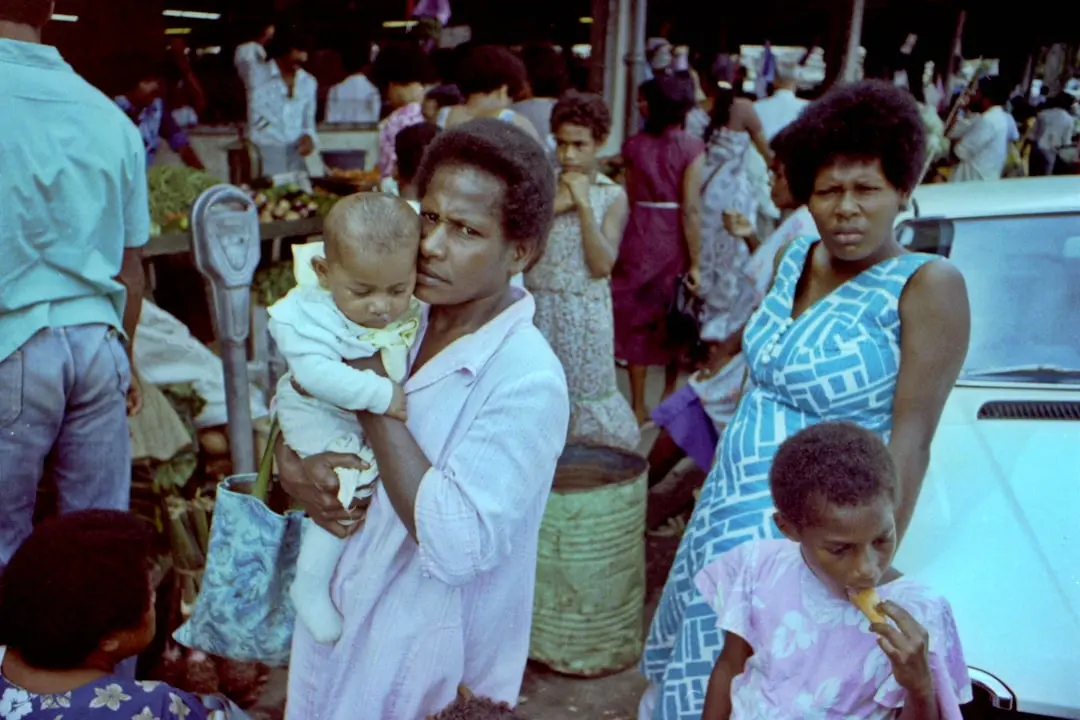
For lodging, the handful of hostels are concentrated in the downtown grid and along Victoria Parade, with dorms from around F$35 (US$15) at places like South Seas Private Hotel or Tanoa Apartments. You'll eat best at the open-air Suva Municipal Market, where roti parcels, fried cassava, pani puri and Sunday lovo feasts hover around F$5-10. Thurston Gardens is free, as is the parliament's ceremonial changing of the guard, and you can catch a rugby match at ANZ Stadium for less than a movie ticket.
Stay in Suva Central for zero-transport convenience, or walk a bit farther into Toorak to find roomier guesthouses and local eateries away from the tourist gaze. Lami, just along the coastal road, gives a mangrove-edge village feel for a couple of dollars by bus.
A realistic backpacker budget is US$30-35 per day: $15 dorm, $10 food, plus transport and the occasional movie or museum. To cut costs, eat at Chinese and Indian eateries away from the harbour, use the yellow Navatu buses, and avoid the touristy riverside restaurants. You'll leave with an authentic slice of Pacific island life that resorts simply can't sell.
How Much Does Suva Cost? Daily and Monthly Budget
| Travel style | Day | Week | Month |
|---|---|---|---|
🎒BackpackerHostels, street food, public transport | $30/day | $210/week | $900/month |
💻Digital NomadPrivate room, cafes, coworking spaces | $70/day | $490/week | $2100/month |
✨LuxuryHotels, fine dining, private transfers | $350/day | $2450/week | $10500/month |
Internet Speed in Suva for Remote Work
Where to Stay in Suva: Best Neighborhoods
Suva Central / Victoria Parade
$The downtown hub along the harbour, filled with markets, government buildings, shops and most of the city's hotels. It's the most convenient area for first-timers, with easy access to buses, ferries and the festival's energy.
Toorak
$A residential suburb just north of downtown, offering cheaper guesthouses, local Indian-Fijian eateries and a real neighbourhood feel. A 15-minute walk from the city centre, it's ideal for backpackers who don't mind staying a little outside the action.
Nasese
$A leafy, seaside area between the city and the President's residence, with colonial-era homes and a peaceful, diplomatic atmosphere. It's a quiet base for nomads and families, but you'll need a taxi or bus for most errands.
Tamavua
$$A hilly residential suburb with panoramic views over the bay and several upscale villas on manicured properties. It's one of the most exclusive addresses in Suva, better suited for those staying long-term with a car.
Weather in Suva This Week
Pros and Cons of Living in Suva
Pros
- +Warm, friendly Fijian hospitality
- +High safety compared to many global cities
- +English widely spoken
- +Rich multicultural food scene (Indian, Chinese, Fijian)
- +Fascinating colonial heritage and architecture
- +Excellent weekend day trips (Pacific Harbour, Nausori)
- +Genuine local culture, not touristy
- +Affordable street food and markets
- +Vibrant August festivals like the Hibiscus Carnival
- +Good base for exploring the rest of Viti Levu
Cons
- -Heavy rainfall, especially November to April
- -Limited variety of hostels and backpacker infrastructure
- -Internet speeds below Southeast Asian hubs
- -Slow pace of bureaucracy and service
- -Public transport is basic and infrequent outside town
- -Nightlife is limited and quiet
- -Groceries and imported goods can be pricey
- -City beaches are not postcard-worthy
- -Traffic congestion during peak hours on Kings Road
- -Occasional flooding in low-lying parts of Suva
Suva FAQ: What Travelers Ask Most
Yes, Suva is generally safe for visitors. Fijians are famously welcoming, but as with any Pacific capital, keep your belongings close in crowded markets and avoid walking alone in poorly lit areas after dark. The main concern is petty theft, not violent crime.
The dry season from June to September offers the most comfortable humidity and usually the least rain, which is why August is a fantastic time — the Hibiscus Festival also takes place then. November to April is wet and cyclone season, though Suva's sheltered harbour makes it less exposed than outer islands.
Most passport holders, including US, UK, EU, Canada, Australia and New Zealand citizens, get a visa on arrival for up to 4 months. You simply need a valid passport and proof of onward travel. Nationals from some African and a few Asian countries need to extend or arrange a permit in advance.
Suva is the best-connected city in Fiji, with fibre-to-the-home speeds averaging 25 Mbps download and 10 Mbps upload. Wi-Fi in cafés and hotels can be slower, but 4G/5G mobile data via Vodafone or Digicel is reliable. It's fine for emails, video calls, and most remote jobs, though heavy upload tasks may lag.
Yes, but with some caveats. The 4-month tourist visa lets many nomads stay without a work permit, and the laid-back island vibe helps creativity. However, you'll want a backup mobile hotspot, since business-grade connectivity is limited, and the small nomad community means you'll need to make your own networking.
Backpacking here is more boutique than mainstream: a handful of hostels, many budget guesthouses, and plenty of locals happy to guide you. There isn't a huge 'backpacker district', but the Harbourside area and the Municipal Market give easy ways to meet people, and the Hibiscus Festival adds a bedlam that's perfect for striking up conversations.
Backpackers can get by on $30-35 per day with a hostel bed and street food; nomads need around $70 per day for an apartment and occasional coworking; luxury travelers should budget $350+ per day for a heritage hotel and fine dining. Overall, Suva is cheaper than the resort islands but pricier than mainland Asia.
Cities Near Suva
The closest destinations across the border, with distance and daily cost
Best Places to Visit in Oceania
Top-scoring destinations in the same part of the world.
Quick Facts
- Global Rank
- #236 of 399
- Region
- Oceania
- Timezone
- Fiji
- Weather
- 23.8°C · Overcast
- Backpacker
- $30/day
- Digital Nomad
- $70/day
- Luxury
- $350/day
- Monthly (backpacker)
- $900
- Download
- 25 Mbps
- Upload
- 10 Mbps
Score by Travel Style
Do You Need a Visa for Suva?
Most nationalities (US, UK, EU, Canada, Australia, NZ) receive visa-free entry to Fiji for up to 4 months with a valid passport and proof of onward travel. Other countries should check Fiji's Department of Immigration for permit requirements.
Is Suva Safe?
Suva is generally safe and Fijians are famously welcoming. Petty crime like bag snatching can occur in crowded markets and after dark, so keep your belongings close and avoid dimly lit streets alone at night.