
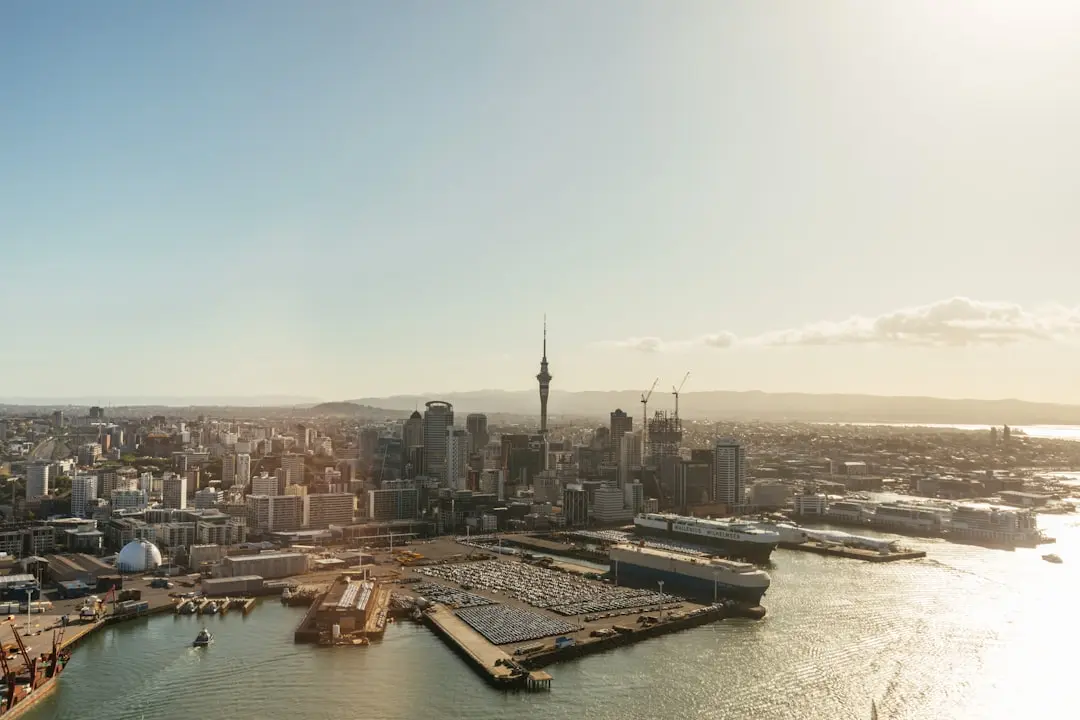
Auckland Travel Costs in 2026: Backpacker, Nomad & Luxury Budgets
New Zealand · OceaniaAuckland is a clean, safe, and stunningly scenic city, but prices are high. August means winter: quiet streets, cozy cafés, and great ski trips nearby. Matariki celebrations just ended, but the city's winter market and ice rinks keep things lively. For backpackers it's pricey, for nomads it's workable, for luxury travelers it's a refined escape.
Is Auckland Expensive? The Short Answer
Yes — Auckland is expensive. At $55 a day for backpacker travel it costs more than 70% of the 399 destinations we track.
- A short trip of 4 nights costs about $220, excluding flights.
- A week costs about $385; a month is about $1650.
- That works out at $55 a day for backpacker travel.
Living in Auckland: Backpacker Guide for 2026
Facing Auckland on a shoestring in winter is a challenge, but the city's safe, clean streets and adrenaline-fueled scenery make it worth it. You're arriving right after Matariki celebrations, and while the festival lights are packed away, the mood stays mellow — think cozy café culture, hot pools, and low-season hostel rates. With a bit of planning, you can experience New Zealand's largest city for around $55 a day without missing the highlights.
Hostel options are solid without being backpacker meccas: YHA International and Base Auckland offer central dorms in the $30 range, and free breakfasts are common. Street food is a little scarce, but the Auckland Night Markets at Pakuranga and Glenfield are cheap and excellent on weekends. For free thrills, hike the volcanic cone of Mount Eden, catch the ferry to Devonport and walk to North Head, or explore the black-sand beaches of the Waitakere Ranges (remember to stay on the track and respect local closures due to kauri dieback).
For budget digs, look outside the CBD to Mount Eden, Kingsland, and Grey Lynn, where you'll find cheaper hostels and backpacker lodges within easy bus rides into town. A room share in a backpacker house can cost $180–220 a week. Groceries at Countdown and Pak'nSave, cooking in hostel kitchens, and coffee at local roasters like Coffee General will stretch every dollar.
Daily budget: $30 dorm, $5 in-bakery breakfast, $10 packed lunch from supermarkets, $5 dinner from a night market, $10 transport and activities = $60 total. To save, use long-distance buses at off-peak times, take the full-day ferry pass, and check free concerts at Albert Park every Sunday. Winter's wet days are perfect for the free Auckland Art Gallery and the Museum of Transport and Technology (MOTAT). With quiet hostel lounges and a small but friendly travelling community, Auckland won't give you the non-stop party of Southeast Asia, but it rewards patient budget explorers with jaw-dropping landscapes.
How Much Does Auckland Cost? Daily and Monthly Budget
| Travel style | Day | Week | Month |
|---|---|---|---|
🎒BackpackerHostels, street food, public transport | $55/day | $385/week | $1650/month |
💻Digital NomadPrivate room, cafes, coworking spaces | $110/day | $770/week | $3300/month |
✨LuxuryHotels, fine dining, private transfers | $250/day | $1750/week | $7500/month |
Internet Speed in Auckland for Remote Work
Where to Stay in Auckland: Best Neighborhoods
Auckland CBD
$$The heart of the city, packed with hostels, hotels, restaurants, and transport links. It's convenient but pricey, with everything within walking distance.
Ponsonby
$$A trendy, village-like suburb known for its cafes, boutiques, and nightlife. It's popular with professionals and digital nomads, but rents are high.
Mount Eden
$A leafy residential area centered around a volcanic cone with panoramic views. It's quieter and more affordable than the CBD, appealing to budget travelers and families.
Wynyard Quarter
$$A modern waterfront development with upscale apartments, restaurants, and coworking spaces. It's perfect for those who want a harbor view and a lively food scene.
Weather in Auckland This Week
Pros and Cons of Living in Auckland
Pros
- +High safety and political stability
- +Stunning natural scenery on your doorstep
- +World-class food and wine scene
- +Good internet and modern infrastructure
- +Clean, green, breathable city
- +Easy access to beaches, islands, and ski fields
- +Friendly and welcoming locals
- +Excellent public transport and cycling paths
- +Great base for exploring the North Island
- +Strong English-speaking environment
Cons
- -High cost of living and accommodation
- -Limited backpacker hostel culture
- -Rainy and cloudy winter weather
- -No dedicated digital nomad visa
- -Small nomad community compared to Lisbon or Canggu
- -Public transport fares are relatively high
- -Geographic isolation from other major cities
- -Nightlife ends early; clubs close by 3 AM
- -Free Wi-Fi in hostels can be slow
- -Tourist crowds peak in summer, driving prices up
Auckland FAQ: What Travelers Ask Most
Yes, Auckland is one of the safest cities in the world for travelers. Violent crime is rare, and you can walk around most areas at night with confidence. Take the usual precautions: avoid isolated places late at night, keep your belongings secure, and stay aware in crowded areas.
Summer (December to February) is the most popular time, with warm weather, festivals, and outdoor activities. Winter (June to August) is quieter, cheaper, and perfect for skiing nearby; it's also when Matariki celebrations take place. Spring and autumn offer mild weather and fewer crowds.
Most visitors from visa-waiver countries need an NZeTA before flying — it's a quick online application costing around NZ$17–32. Citizens of some countries, including many in South America and Asia, need to apply for a visitor visa, which allows up to 9 months. Check Immigration New Zealand's website for your specific nationality.
Auckland has excellent internet infrastructure, with fibre connections offering 100 Mbps download speeds in many areas. Public Wi-Fi is available in libraries and some public spaces. Remote workers will find reliable connectivity for video calls and cloud work.
Yes, you can work remotely in Auckland as a digital nomad, but there's no dedicated nomad visa. You'll typically use a visitor visa (up to 3 months) or a Working Holiday visa if eligible. The city has good coworking spaces and fast internet, though the cost of living is high.
Auckland's backpacker scene is small compared to Southeast Asia or Europe, but it's friendly and welcoming. Hostels like YHA and Base offer social common areas, but prices are higher. You'll find more backpackers exploring the North Island circuits and meeting up in ski towns.
On a budget, expect to spend around $55 a day: $30 for a hostel bed, $15 for food, and $10 for transport. Digital nomads typically spend $110 a day, covering a one-bedroom rental, coworking, meals, and socializing. Luxury travelers should plan for $250+ per day for a five-star stay and fine dining.
Cities Near Auckland
The closest destinations across the border, with distance and daily cost
Best Places to Visit in Oceania
Top-scoring destinations in the same part of the world.
Quick Facts
- Global Rank
- #285 of 399
- Rank in New Zealand
- #4 of 4
- Region
- Oceania
- Timezone
- Auckland
- Weather
- 12°C · Patchy rain nearby
- Backpacker
- $55/day
- Digital Nomad
- $110/day
- Luxury
- $250/day
- Monthly (backpacker)
- $1650
- Download
- 85 Mbps
- Upload
- 20 Mbps
Score by Travel Style
Do You Need a Visa for Auckland?
New Zealand requires either a visa or an NZeTA for most visitors. Citizens of visa-waiver countries can apply for an NZeTA online before flying. Many nationalities can stay up to 3 months as visitors; others need to apply for a visitor visa at an NZ embassy. Always check with Immigration New Zealand.
Is Auckland Safe?
Auckland is very safe by global standards. Violent crime is rare, and solo travelers are usually comfortable at night in the central city. Exercise normal caution in areas like K Road late at night and keep valuables out of sight in crowded spots.