
Melbourne Travel Costs in 2026: Backpacker, Nomad & Luxury Budgets
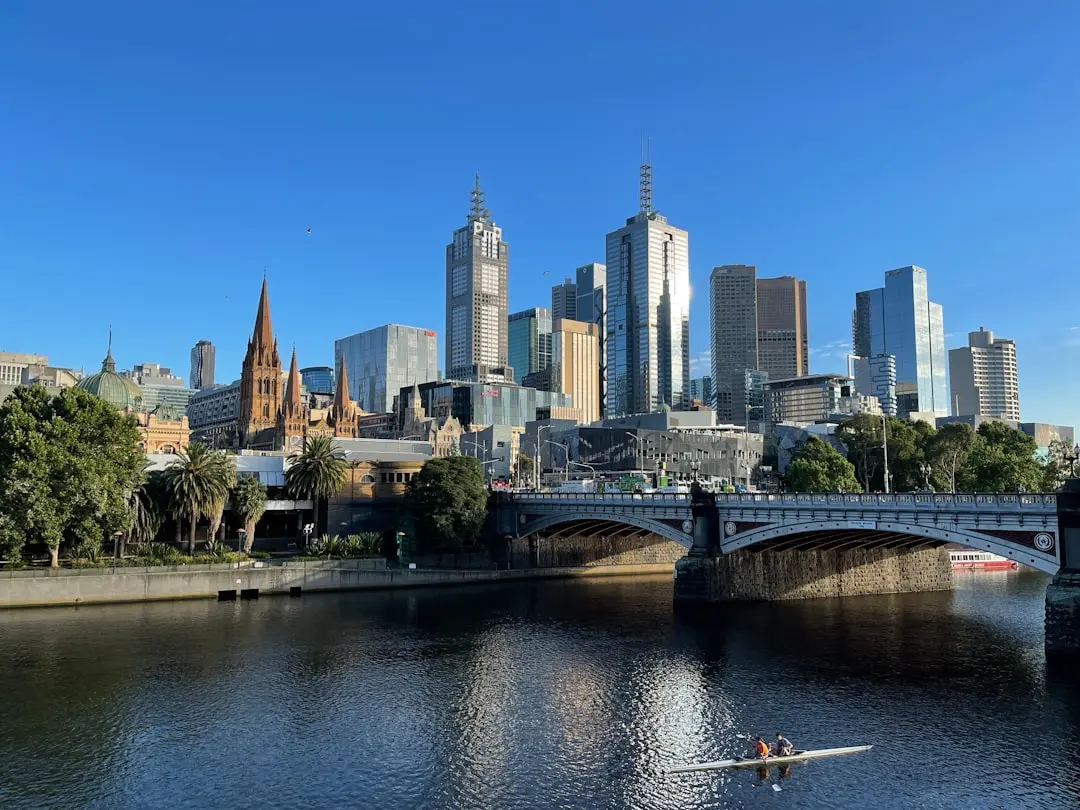
Australia · OceaniaMelbourne's winter chill meets a coffee-fueled energy in August, with the Melbourne International Film Festival lighting up cinemas across town. It's a pricey city, but backpackers will find a safe, social scene — just budget wisely. Nomads have solid infrastructure, while luxury travelers enjoy understated elegance and world-class dining.
Is Melbourne Expensive? The Short Answer
Yes — Melbourne is expensive. At $55 a day for backpacker travel it costs more than 70% of the 399 destinations we track.
- A short trip of 4 nights costs about $220, excluding flights.
- A week costs about $385; a month is about $1650.
- That works out at $55 a day for backpacker travel.
Living in Melbourne: Backpacker Guide for 2026
Melbourne isn't a budget city, but that doesn't stop it from being a backpacker's delight. Safety is top-tier, the hostel scene is properly social, and every laneway rewards hours of free wandering. In winter — which is now — the city feels intimate and dramatic, with neon signs reflecting off rain-slicked streets and cozy bars inviting you in. The Melbourne International Film Festival is running, offering cheap student-priced tickets to world cinema — a perfect budget evening.
Dorms in the CBD run $25–35 USD a night: try United Backpackers or The Nunnery in Windsor, both with kitchen access and pub-crawl energy. For food, skip restaurants and hunt down the great cheap eats: Banh mi on Victoria Street, Greek souvlaki on Lonsdale, and famous queue-worthy sandwiches at the Queen Victoria Market, especially on Tuesday specials. A full day of eating can stay under $20 if you're smart.
Stay in Fitzroy for indie bars and vintage shops, or St Kilda for beachside backpacker vibes and free Sunday-stall browsing at the Esplanade Market. The CBD is central but less charming; Northcote offers cheaper beds and a local feel. All are well-connected by trams, which are free within the city center — a huge money-saver.
On a strict budget, $50/day works: $30 hostel, $15 food, $5 transport (or free trams). Add $5 for a drink at a rock bar, and you're at $55. To save more, cook in hostel kitchens, hit happy-hour pizzas, and use free museum days — the NGV is always free. Melbourne rewards slow travel; the more days you stay, the more free cultural gems you uncover.
How Much Does Melbourne Cost? Daily and Monthly Budget
| Travel style | Day | Week | Month |
|---|---|---|---|
🎒BackpackerHostels, street food, public transport | $55/day | $385/week | $1650/month |
💻Digital NomadPrivate room, cafes, coworking spaces | $90/day | $630/week | $2700/month |
✨LuxuryHotels, fine dining, private transfers | $300/day | $2100/week | $9000/month |
Internet Speed in Melbourne for Remote Work
Where to Stay in Melbourne: Best Neighborhoods
Central Business District (CBD)
$The heart of Melbourne, packed with skyscrapers, free trams, and endless food courts. Ideal for first-time visitors wanting proximity to attractions, though it can feel touristy and pricey.
Fitzroy
$Bohemian, creative, and edgy, Fitzroy is famous for street art, independent bars, and vintage shops. A favorite for backpackers and nomads who want a local, alternative vibe.
St Kilda
$Beachside suburb with a relaxed atmosphere, pier, and lively nightlife. Home to many backpacker hostels and the Sunday Esplanade Market, perfect for budget travelers.
South Yarra
$$Upscale and stylish, South Yarra blends fashion boutiques, fine dining, and green spaces like the Royal Botanic Gardens. Popular with luxury travelers and those who enjoy polished urban living.
Weather in Melbourne This Week
Pros and Cons of Living in Melbourne
Pros
- +Extremely safe city with low crime
- +Great coffee culture and food scene
- +Free tram zone downtown
- +Excellent cultural events and festivals year-round
- +Friendly locals and diverse population
- +Beautiful parks and beaches nearby
- +Strong public transport network
- +Top-notch coworking spaces and internet
- +World-class universities and tech scene
- +Easy to explore on foot
Cons
- -High cost of living compared to Asia/Europe
- -Weather is unpredictable (four seasons in one day)
- -Expensive rent in city center
- -Trains can be unreliable or crowded
- -No dedicated digital nomad visa
- -Distance from other backpacker routes
- -Limited budget hostel options in peak season
- -Luxury is not as flashy as Dubai/Paris
- -Tax system tricky for long-term workers
- -Nightlife can be pricey
Melbourne FAQ: What Travelers Ask Most
Yes, Melbourne is considered very safe. The city has low crime rates, and violent incidents are rare. As in any big city, avoid walking alone in dark, empty areas at night and keep your belongings secure in crowded spots. Overall, you can explore with confidence.
The best time is during autumn (March-May) when you get crisp weather, clear skies, and less rainfall. Spring (September-November) brings blooming gardens and the Melbourne Fringe. Summer (Dec-Feb) is ideal for beach lovers but it's the peak season with higher prices. Winter (June-Aug) is cooler, but the city comes alive with festivals like the Melbourne International Film Festival.
Tourists from most eligible countries can apply online for an ETA or eVisitor visa, which costs around AUD 20 for ETA and is free for eVisitor. These allow stays up to 3 months. For longer stays, consider a visitor visa or working holiday visa (subclass 417) for eligible ages. Always check immigration rules before traveling.
Melbourne has excellent internet connectivity, with average fixed broadband speeds around 80 Mbps download and 40 Mbps upload. Many cafes and coworking spaces offer free high-speed WiFi, though some may have fair use policies. For remote work, invest in a local SIM with a data plan for backup.
Yes, but with caveats. There's no dedicated digital nomad visa, so you cannot work for Australian companies on a tourist visa. However, you can work for your foreign employer remotely on an eVisitor/ETA, provided you don't earn Australian income. Many nomads do this for up to 90 days, but be aware of tax residency if you stay longer.
Melbourne has a strong but not overwhelming backpacker scene. Hostels like The Nunnery and United Backpackers are social hubs, and the city's free tram zone makes getting around easy. Expect to pay more than in Asia, but you'll find lots of free cultural activities and a great nightlife, especially on rooftop and rock venues.
For backpackers, budget around $50-60 USD/day for hostels, food, and transport. Digital nomads should budget $90-120/day for a private room, coworking, and meals. Luxury travelers should expect $300-500 USD/day for a five-star hotel, fine dining, and premium experiences. Australia's high dollar makes it pricier than Southeast Asia, but quality is excellent.
Cities Near Melbourne
The closest destinations across the border, with distance and daily cost
Best Places to Visit in Oceania
Top-scoring destinations in the same part of the world.
Quick Facts
- Global Rank
- #260 of 399
- Rank in Australia
- #3 of 10
- Region
- Oceania
- Timezone
- Melbourne
- Weather
- 14.1°C · Overcast
- Backpacker
- $55/day
- Digital Nomad
- $90/day
- Luxury
- $300/day
- Monthly (backpacker)
- $1650
- Download
- 80 Mbps
- Upload
- 40 Mbps
Score by Travel Style
Do You Need a Visa for Melbourne?
Most nationalities (US, UK, EU, etc.) can enter with an ETA or eVisitor visa, applied online for short stays. Working holiday visas (subclass 417) allow 12 months for eligible citizens aged 18-35. Check Australia's immigration site for details.
Is Melbourne Safe?
Melbourne is very safe for tourists. Petty theft in busy areas is the main concern, but violent crime is rare. Stay vigilant late at night, especially in train stations.