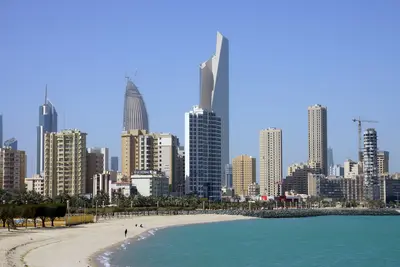

Kuwait Travel Costs in 2026
Middle East1 destination to explore. Daily costs average $45 with internet speeds around 100 Mbps and a safety rating of 9.0/10.
Kuwait Travel Costs at a Glance
- Kuwait currently has 1 indexed destination pages on this site.
- Average daily cost for backpacker travel is about $45, with an average score of 3.5/10.
- Top-rated city is Kuwait City and the most affordable option is Kuwait City.
- Average fixed internet speed is 100 Mbps and safety is 9.0/10 based on current dataset values.
Is Kuwait Expensive?
Kuwait is expensive, and you should see it coming. The country imports nearly everything, from food to building materials, and the high wages of its oil economy push up the price of labour and services. Tourism infrastructure is thin, so there is little competitive pressure on hotels and tour operators.
The average backpacker here spends $45 per day, which works out to $1350 per month. A digital nomad with better wifi and a more comfortable room pays around $85 per day, or $2550 per month, while the luxury traveller can easily drop $350 per day and $10500 per month. These figures are not outliers; they reflect the reality that there are no budget-flight frills or backpacker hostels with dorm beds under $20. The upside is that you get a very safe city, with a safety score of 9/10, and reliable internet at 100 Mbps, which makes the price easier to swallow for remote workers. Booze is banned, so you won't burn cash on cocktails, but everything else — from a decent meal to a taxi ride — carries a Kuwaiti mark-up. Plan to spend at least $45 a day, and bring extra if you want any comfort at all.
How Much Does It Cost to Travel in Kuwait?
The site covers just one destination in Kuwait — Kuwait City — so there is no cheaper or more expensive region to compare. Both the cheapest and most expensive listings point to Kuwait City, with a backpacker budget of $45 per day standing in for both. That seems odd, but it reflects that away from the capital there is little in the way of formal tourism; the prices you see in Kuwait City are effectively the national prices.
Within the city, though, your daily spend can swing from $45 to $350. A budget traveller can live in a hostel dorm for around $20 to $25 a night, eat at modest cafeterias for $5 to $8 a meal, and use public buses or walk. A mid-range traveller, using the site's $85 per day digital-nomad figure, would add a private hotel room, regular restaurant meals and a few ride-hailing trips. At the luxury end, the $350 per day budget buys a five-star hotel, fine dining and private taxis or a rental car. The only real way to spend less than $45 is to camp or cook, but the extreme heat makes that impractical for most of the year. So treat $45 as the floor, not the average, and expect to pay more the moment you want air conditioning, a private bathroom or a quiet place to work.
Best Time to Visit Kuwait
The best time to visit Kuwait is between November and March, when daytime highs hover around 20°C to 25°C and evenings are actually pleasant. From June through September, the city bakes under temperatures that regularly exceed 45°C, making sightseeing and even walking between restaurants exhausting; hotel prices sometimes drop during this period, but the weather is a genuine hardship. The shoulder months of April, May and October are the real value window: still hot but not brutal, and you'll find the same hotel deals as summer without the worst of the heat.
The biggest price spike comes in winter, when Gulf tourists and expatriates return for the mild weather and December through February hotel rates can jump by 30% or more. Religious holidays also shift demand: during Ramadan, which in 2026 runs roughly from mid-February to mid-March, many restaurants close during the day and hotel occupancy patterns change; if you're not fasting, you'll need to plan meals around evening openings. Eid al-Fitr right after Ramadan and Eid al-Adha in late May can bring last-minute domestic travel and a brief bump in room rates. For the best mix of comfort, availability and cost, aim for late October or early November, when temperatures are bearable and the winter crowds haven't arrived.
Getting Around Kuwait
Kuwait has a single international airport, so arrival is straightforward; from there, you'll head straight into Kuwait City, about 15 kilometres away. A taxi or ride-hailing app such as Careem or Uber costs roughly $10 to $15 into the centre, and the trip takes 20 to 30 minutes outside rush hour. Once you're in the city, the cheapest way to move around is the KPTC public bus network, with fares of about $0.50 to $1.00 per ride, though service is infrequent and stops can be far from the sights.
For most visitors, ride-hailing apps are the sensible default: a typical in-city trip runs $3 to $6, and the cars are air-conditioned and comfortable. There is no metro or tram, and the city is spread out, so walking is only practical in the downtown core and along the waterfront. If you want to explore further afield, renting a car costs about $40 to $60 per day, but parking is tight and driving in Kuwait City is aggressive. Since the site lists no other destinations, you won't need a domestic flight, and the distances involved make a rental car more of a convenience than a necessity. For most travellers, a mix of ride-hailing and a few public bus rides will keep your transport budget at $5 to $10 per day.
Visas, Money and Entry Rules for Kuwait
Kuwait offers visa on arrival for citizens of many countries, including the US, UK, most EU states, Australia and Japan, typically valid for 30 days and renewable. Other passport holders can apply for an e-visa or obtain a visa from a Kuwaiti embassy before departure; it's wise to check the current list because rules change. The currency is the Kuwaiti Dinar (KWD), which is divided into 1,000 fils. It's a deliberately hard currency, so you'll get only about $3 per dinar, and exchange offices in the airport tend to give the same rates as in town, so there's no urgent need to change money at the airport. Cards are accepted almost everywhere, including taxis and small shops, so cash is mainly needed for tiny purchases and tips.
Tipping is not obligatory, but rounding up a taxi fare or leaving 10% in a restaurant is standard. Watch out for ATM withdrawal fees — local banks may charge $4 to $6 per transaction, and your home bank will likely add its own foreign fee, so withdraw larger amounts less often. Also be aware that alcohol is banned, and public drunkenness is a criminal offence. Finally, many travellers overlook the fact that Kuwait is a conservative country: dress modestly outside the beach resorts, and carry your passport or a copy of your residency permit if you're staying long-term, as police checks do happen.