
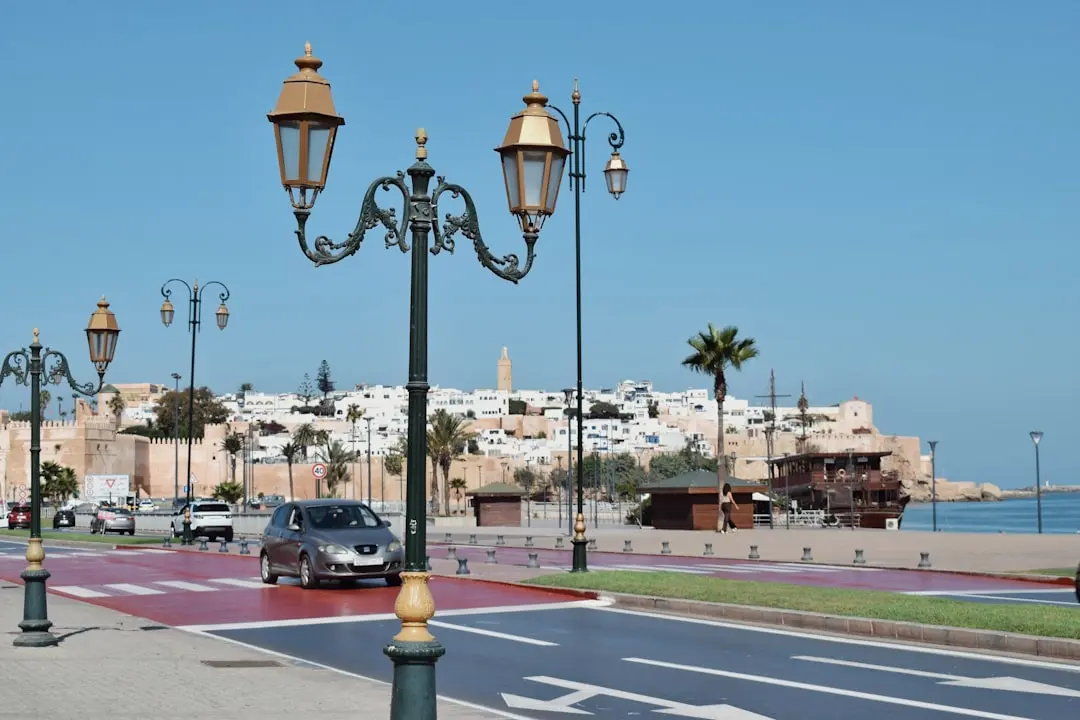
Fes is a living, breathing medieval city where budget travelers can thrive on $20 a day, nomads find cheap rent and authentic culture, and luxury seekers discover exclusive riads and timeless ambiance. The summer heat is intense, but the upcoming Moussem of Moulay Idriss II in September adds spiritual festivity.
Marrakech’s red walls hide a whirlwind of souks, spices, and rooftop riads. Backpackers love the cheap tagines and vibrant hostels; nomads enjoy the culture but juggle spotty Wi-Fi; luxury seekers find opulent palaces like La Mamounia. August brings heat, lower prices, and fewer crowds.
Morocco Travel Costs at a Glance
- Morocco currently has 3 indexed destination pages on this site.
- Average daily cost for backpacker travel is about $25, with an average score of 6.8/10.
- Top-rated city is Fes and the most affordable option is Marrakech.
- Average fixed internet speed is 35 Mbps and safety is 6.7/10 based on current dataset values.
Is Morocco Expensive?
Is Morocco expensive? For most travellers, no. The average backpacker spends $25 a day (about $750 a month), which covers a hostel bed, roadside tagines, bus tickets and entry fees. A digital nomad with a monthly budget of $1,560 (about $52 a day) gets a private room with fast Wi-Fi, regular café meals and the odd hammam. At the top end, luxury travellers spend $233 per day, roughly $6,990 a month, for riads, private transfers and fine dining. These figures already include the seasonality that pushes prices up in Marrakech and down in Fes.
Prices reflect Morocco's position as a middle-income country with a tourism economy built around European proximity. Imported food, wine and fuel cost more than local staples, and the demand from package tourism pushes up accommodation in Marrakech and the coast. Currency moves and seasonal surges also affect the final bill — high-season prices can jump 30–50% around Christmas and Easter. The dirham is strictly controlled, so you won't see exchange-rate chaos, but the economy is vulnerable to European flight capacity.
You can keep costs low by eating where locals eat, staying on the fringes of medinas, and travelling by bus. The $25-a-day line is realistic outside peak season; in winter or July, a thin budget might need to stretch a few dollars further. The $233 luxury figure is for those paying for riad pools and private guides, not for the everyday visitor.
How Much Does It Cost to Travel in Morocco?
The gap between Morocco's cheapest and most expensive destinations is real but not huge. Marrakech is the budget base, with backpackers spending about $20 a day on dorm beds and street food. Casablanca is the priciest at $35 a day for backpackers, because the commercial capital has fewer hostels and meals cost more. Fes sits between, with the highest rating (6.5/10) for remote workers thanks to cheap cafés and reliable Wi-Fi.
A realistic daily budget for a budget traveller ranges from $20 to $35, depending on the city. Mid-range travel — a private room, occasional restaurant meal, a taxi or two — usually lands between $40 and $80 a day, in line with the $52 digital-nomad average. For comfort, you can spend $100 to $200 a day on a nicer riad, guided tours and a rental car, still below the $233 luxury threshold.
What drives the gap? Marrakech has a huge budget accommodation supply, from hostels to shared riads, while Casablanca's demand is dominated by business travel, pushing up hostel and hotel prices. Fes offers the sweet spot: cheaper than Marrakech for some items but with a strong café culture for remote work. Even at $20 a day, you can eat well and see the main sites; the difference is largely the bed.
Best Time to Visit Morocco
The best value months are April to May and September to October. The weather is warm but not stifling, and flights and riads cost 20–30% less than in July and August, when the heat pushes budget travellers to the coast and Atlas Mountains. Winter (December to February) brings cold nights and some rain, and while prices drop, Christmas and New Year spike accommodation rates aggressively.
Avoid the peak if you want to be outside the crowds: roughly mid-June to mid-September, plus the two weeks around Easter. Ramadan moves the cost of food up slightly and alters opening hours but doesn't dramatically change prices. The Marrakech International Film Festival (November) and Gnaoua Festival (June) can fill hotels, so book early or expect higher quotes.
Spring and autumn are the sweet spots: days around 25°C, evenings cool, and the city medinas are not yet overcrowded. Summer highs reach 40°C in Marrakech and Fes, which is why coastal resorts and the mountains fill up; inland medinas empty out. If you don't mind the heat, you'll find deep discounts on riads and some flights in July, but be ready for early mornings and midday rests.
Getting Around Morocco
The three published destinations are well connected. ONCF trains link Casablanca with Marrakech in about 2 hours 30 minutes and with Fes in about 3 hours — standard-class tickets cost around $10–15 one way. Long-distance buses (CTM and Supratours) cover the same routes for about the same price, with more flexibility on times.
Domestic flights between Casablanca and Marrakech are short but rarely worth it, given the airport transfers and security queue. A rental car is practical for side trips but not for the train route itself, and parking in Marrakech's medina is a hassle. Ferry connections from Spain arrive in Tangier, which is not one of the three listed destinations, so most travellers will fly or take a train from Europe.
Grand taxis shared between Marrakech and the coast add variety, but for the route between the three cities, trains win for comfort. Overnight buses save a night of accommodation, but they're not significantly cheaper than a mattress. Booking train tickets at the station is fine, but reservations for summer weekends fill fast. Budget roughly $1 per 6 km for intercity travel; the Casablanca–Fes run is about $15, and Marrakech–Fes is similar.
Visas, Money and Entry Rules for Morocco
Most European, UK, US, Canadian and Australian passport holders enter Morocco without a visa for up to 90 days. Check that your passport has at least one blank page and six months' validity. The currency is the Moroccan dirham, a closed currency — you cannot buy it outside the country, so change money at ATMs or exchange offices on arrival.
Cards are accepted in hotels and larger restaurants, but cash is king for souks, taxis and small cafés. Always ask the ATM for a larger withdrawal to reduce fees. Tipping is expected: 10% in restaurants, small change for porters and guides. Don't change money with street hustlers, and note that importing or exporting dirhams is restricted — keep your exchange receipts if you leave.
At land borders, guards may ask for proof of accommodation and onward transport. Carry a hotel printout and a return ticket. Israeli passport holders currently receive visa-free entry — the same as most Western travellers — but rules change, so verify with the Moroccan Embassy before departure. In the unlikely case you have an Israeli stamp and are travelling elsewhere in the Arab world, check that country's rules, as a few still refuse entry with such stamps.
All Destinations in Morocco
 🇲🇦
🇲🇦Fes
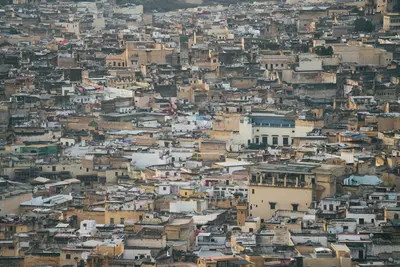
7.5 · GreatFes is a living, breathing medieval city where budget travelers can thrive on $20 a day, nomads find cheap rent and authentic culture, and luxury seekers discover exclusive riads and timeless ambiance. The summer heat is intense, but the upcoming Moussem of Moulay Idriss II in September adds spiritual festivity.
 🇲🇦
🇲🇦Marrakech
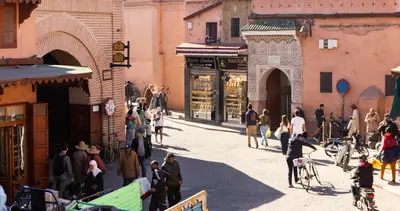
6.8 · GoodMarrakech’s red walls hide a whirlwind of souks, spices, and rooftop riads. Backpackers love the cheap tagines and vibrant hostels; nomads enjoy the culture but juggle spotty Wi-Fi; luxury seekers find opulent palaces like La Mamounia. August brings heat, lower prices, and fewer crowds.
 🇲🇦
🇲🇦Casablanca
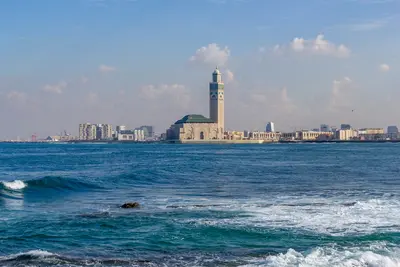
6.2 · GoodCasablanca pulses with raw Atlantic energy—think Art Deco streets, the soaring Hassan II Mosque, and beachside cafes. This summer, the Corniche hosts open-air music festivals and night market pop-ups, while surfers and foodies thrive on budget-friendly tagines and seafood. A gritty yet rewarding Moroccan city for any travel style.