
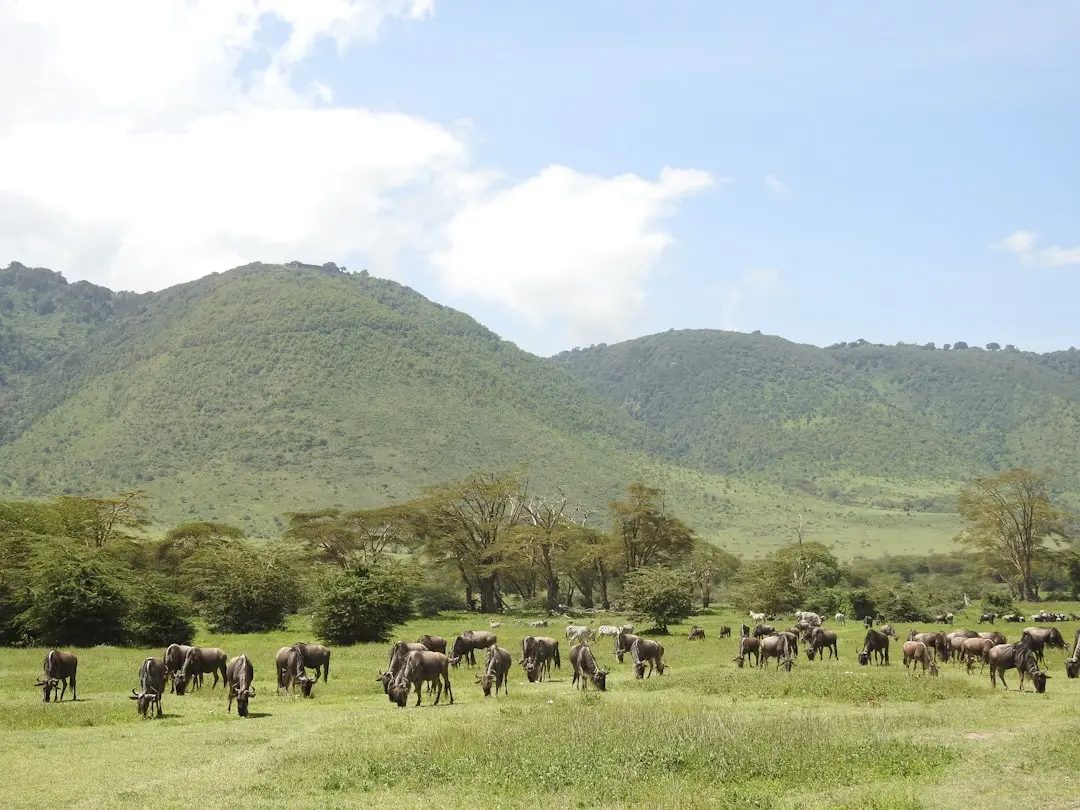
Tanzania Travel Costs in 2026
Africa2 destinations to explore. Daily costs average $25 with internet speeds around 35 Mbps and a safety rating of 6.0/10.
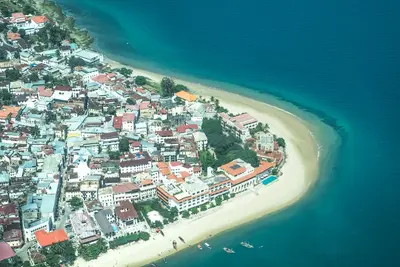
Zanzibar in August is peak season with perfect dry weather, turquoise waters, and vibrant beach parties. This semi-autonomous island blends Swahili-Arabic culture, spice farms, and world-class snorkeling, drawing backpackers, nomads, and luxury seekers alike.
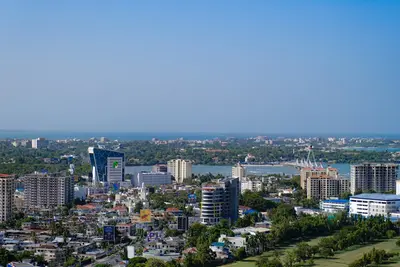
Dar es Salaam is a bustling East African port city with a raw, authentic energy. August's dry season brings sunny days and the vibrant Farmers' Day celebrations (Nane Nane) on the 8th. Budget travelers find cheap street food and hostels, while nomads and luxury seekers can tap into a growing but emerging infrastructure.
Tanzania Travel Costs at a Glance
- Tanzania currently has 2 indexed destination pages on this site.
- Average daily cost for backpacker travel is about $25, with an average score of 6.6/10.
- Top-rated city is Zanzibar and the most affordable option is Dar es Salaam.
- Average fixed internet speed is 35 Mbps and safety is 6.0/10 based on current dataset values.
Is Tanzania Expensive?
Is Tanzania expensive? For a developing country, it is mildly expensive, and you will feel it in your wallet. Prices are pushed up by the fact that almost everything tourist-facing is imported: bottled water, fuel, car parts, and even much of the food that reaches lodge kitchens comes from abroad. The safari and island industries are geared to Western salaries, so a simple beer in a tourist bar might cost $3 and a park entry fee can run to $70 per day. On the other hand, local transport, street food, and guesthouses in mainland towns remain cheap if you know where to look.
The site’s own averages put a backpacker at $25 per day, or $750 per month, which assumes mixed nights in hostels and cheap local meals. A digital nomad should plan on $63 per day, or $1,890 per month, for a decent apartment with a 35 Mbps fixed line and regular coffee-shop visits. At the top end, luxury resorts and fully loaded safaris push the daily spend to around $225, or $6,750 per month. So the honest verdict: Tanzania is not the discount destination many imagine, but your costs are largely under your own control.
How Much Does It Cost to Travel in Tanzania?
The biggest price gap inside Tanzania is between Dar es Salaam and Zanzibar. Dar is the cheapest listed destination, with a backpacker budget of $20 a day. There you can eat a solid plate of rice and beans for $2, sleep in a hostel dorm for $8, and ride a dala-dala for 50 cents. Zanzibar, the most expensive listed destination, costs a backpacker $30 a day. Island hotel rates are higher, food is largely imported or trucked in, and the ferry from Dar adds $35 to your budget before you even arrive. A room in Stone Town guesthouse runs about $20 a night, and a beach restaurant dinner will easily set you back $10.
For a mid-range traveler, expect to spend $70–$100 a day based on the site’s averages, which gets you a private room, guided tours, and the occasional flight. If you want comfort, $150–$200 a day will cover beachfront resorts and air-conditioned game drives. The gap between the two destinations is roughly $10–$15 a day at backpacker level, so you can shave real money off your trip simply by basing yourself in Dar es Salaam and doing day trips to the island’s northern beaches.
Best Time to Visit Tanzania
The cheapest time to be in Tanzania is the wet season from March to May, when heavy rain lowers hotel prices by a third or more. That is also when humidity is high, dala-dalas are crowded, and game-viewing roads are slick with mud. May is especially wet on Zanzibar, and some beach bungalows close entirely. The classic high season runs from late June to October and again from mid-December through February, when northern-hemisphere travelers escape winter. Hotel prices peak in July and August and over the Christmas to New Year break, often doubling from the low-season rate.
The real value window is November and late May, right at the edges of the rains, when you get dry mornings, fewer crowds, and prices 10–20% below peak. Avoid safaris during the Serengeti calving season (January to February) and the wildebeest river crossings (June to October) if you are budget-conscious. On Zanzibar, the Sauti za Busara music festival in February and the Zanzibar International Film Festival in July spike Stone Town accommodation rates, so book at least two months ahead or be ready to pay double.
Getting Around Tanzania
To travel between Dar es Salaam and Zanzibar, the most practical and popular option is the fast ferry. Azam Marine and Sea Express run catamarans from Dar’s city ferry terminal to Stone Town, a two-hour crossing that costs roughly $35 one way in standard class; rough seas can stretch the journey to three hours. If you are short on time, Precision Air and Coastal Aviation fly the 45-minute hop for about $80–$120 one way, but the flight adds airport transfer time and the ferry is far cheaper. Within Zanzibar, minibus dala-dalas serve the island’s main roads, and a trip from Stone Town to Nungwi costs about $2; for comfort, a private taxi runs $30–40. In Dar es Salaam, the BRT bus system is cheap for downtown trips, while a short ride by bajaji (three-wheeled taxi) typically costs $1–3.
For overland travel beyond the two cities, buses from Dar to Moshi or Arusha run about $20–25 and take five to six hours. If you are heading to the Northern Circuit, consider flying to Kilimanjaro Airport to save time; Air Tanzania flies Dar to Arusha for about $70. A rental car is possible but not recommended for a first-time visitor because of aggressive driving, expensive fuel, and unpredictable road conditions.
Visas, Money and Entry Rules for Tanzania
Most visitors must apply for a single-entry e-visa online before arrival; it costs $50, is valid for up to 90 days, and is typically processed in three to five business days. On-arrival visas are no longer issued at most border posts, so do the online application well ahead. Your passport needs six months of validity and two blank pages. The currency is the Tanzanian shilling (TZS), and as of mid-2026 the rate is around 2,500 TZS to $1. Cash is king outside major hotels and luxury restaurants; street food, markets, and dala-dalas are all cash only. Cards are accepted at upscale places, but you will need shillings for daily life.
ATMs are plentiful in Dar es Salaam and Stone Town, but rare on Zanzibar’s northern beaches—withdraw before you leave Stone Town. Tipping is not mandatory but appreciated: 5–10% in restaurants if no service charge has been added, and $5–10 per day for guides and drivers. ATM limits often cap at around 400,000 TZS (roughly $160) with a fee per withdrawal, so take out larger amounts during bank hours. Also note that a yellow fever vaccination certificate is required if you are arriving from a yellow-fever endemic country—carry the card with you.
All Destinations in Tanzania
 🇹🇿
🇹🇿Zanzibar
7.0 · GreatZanzibar in August is peak season with perfect dry weather, turquoise waters, and vibrant beach parties. This semi-autonomous island blends Swahili-Arabic culture, spice farms, and world-class snorkeling, drawing backpackers, nomads, and luxury seekers alike.
 🇹🇿
🇹🇿Dar es Salaam
6.2 · GoodDar es Salaam is a bustling East African port city with a raw, authentic energy. August's dry season brings sunny days and the vibrant Farmers' Day celebrations (Nane Nane) on the 8th. Budget travelers find cheap street food and hostels, while nomads and luxury seekers can tap into a growing but emerging infrastructure.