
Zanzibar Travel Costs in 2026: Backpacker, Nomad & Luxury Budgets
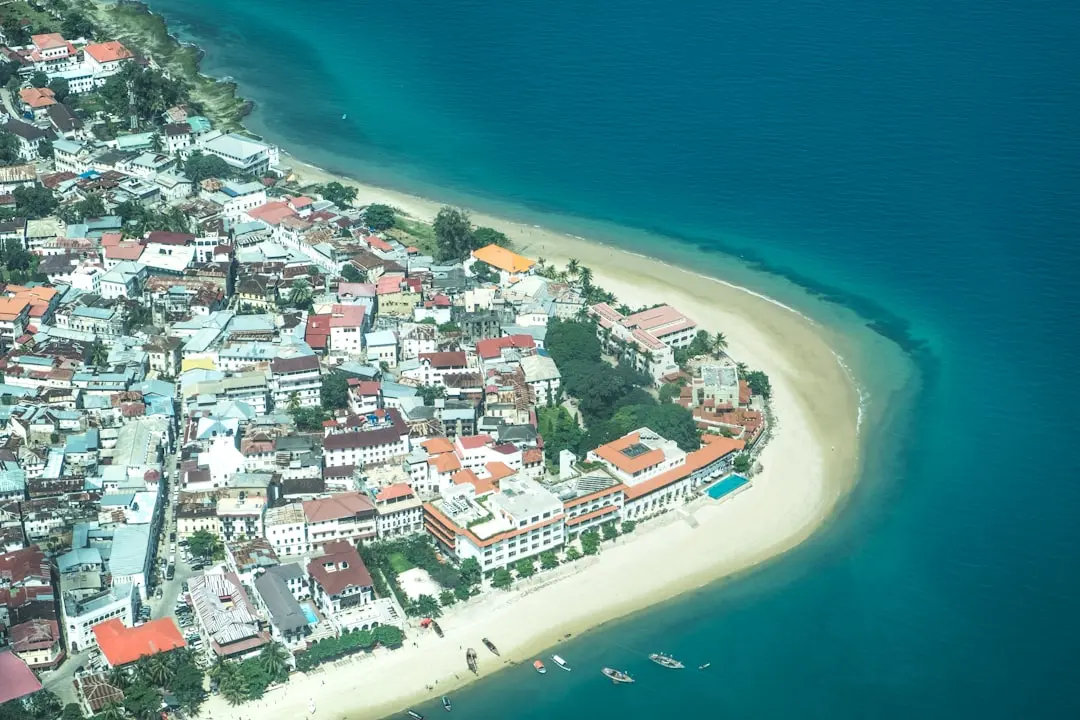
Tanzania · AfricaZanzibar in August is peak season with perfect dry weather, turquoise waters, and vibrant beach parties. This semi-autonomous island blends Swahili-Arabic culture, spice farms, and world-class snorkeling, drawing backpackers, nomads, and luxury seekers alike.
Is Zanzibar Expensive? The Short Answer
Zanzibar is mid-range. At $30 a day for backpacker travel it undercuts 68% of the 399 destinations we track.
- A short trip of 4 nights costs about $120, excluding flights.
- A week costs about $210; a month is about $900.
- That works out at $30 a day for backpacker travel.
Living in Zanzibar: Backpacker Guide for 2026
Zanzibar in August is a dream come true — the dry southern monsoon cools the air, the sea is glassy, and the island is humming with travelers. Expect drum circles on Paje beach, spice-scented alleyways in Stone Town, and beach parties under full moons. August marks the tail end of the Zanzibar International Film Festival (ZIFF) and the monthly full moon party at Kendwa. This is the heart of the East African backpacker circuit, and with affordable dorms and guesthouses, it won't break the bank.
Budget sleep is strong: dorms in Stone Town are $10-15 at hostels like Lost & Found, while Paje has beachside bungalows for $12-15. For street food, hit Forodhani Night Market for Zanzibar pizza ($1-2) and sugarcane juice. Free activities include wandering Stone Town's alleys, visiting the old slave market, watching fishermen at Nungwi, or lounging on Paje's white sand. Snorkeling and spice tours are cheap add-ons — around $10-15 each — and the full moon party at Kendwa is free entry.
Base yourself in Stone Town for history and night markets, Paje for beach and kitesurfing, or Nungwi for sunset and full moon parties. Paje's beachfront is packed with simple bungalows, and dala-dalas connect the coast for pennies. Even on a shoestring, you can experience dhow cruises and spice farms for under $10. In August, everything is open and you'll meet tons of solo travelers.
Daily budget: hostel $12, food $8, transport $4, activities $8 — total around $32. To save, cook at hostels, buy local fruit, and skip pricey tours. Always carry small bills and haggle respectfully. Zanzibar is not mainland-cheap, but it's still a fantastic budget adventure with vibrant energy.
How Much Does Zanzibar Cost? Daily and Monthly Budget
| Travel style | Day | Week | Month |
|---|---|---|---|
🎒BackpackerHostels, street food, public transport | $30/day | $210/week | $900/month |
💻Digital NomadPrivate room, cafes, coworking spaces | $60/day | $420/week | $1800/month |
✨LuxuryHotels, fine dining, private transfers | $200/day | $1400/week | $6000/month |
Internet Speed in Zanzibar for Remote Work
Where to Stay in Zanzibar: Best Neighborhoods
Stone Town
$The historic heart of Zanzibar City, with winding alleyways, carved doors, spice markets, and museums. It's the cultural hub, great for history and food, but can be chaotic. Offers a mix of hostels, boutique hotels, and restaurants.
Paje
$Laid-back beach village on the east coast, famous for white-sand beaches, turquoise water, and kitesurfing. It's the epicenter for digital nomads and backpackers, with budget guesthouses, beach bars, and yoga classes.
Nungwi
$Vibrant fishing village at the northern tip, known for stunning sunsets, lively beach bars, and high-end resorts. It offers everything from budget hostels to luxury all-inclusives, plus dive sites and a turtle sanctuary.
Weather in Zanzibar This Week
Pros and Cons of Living in Zanzibar
Pros
- +Stunning white-sand beaches and turquoise water
- +Affordable compared to other tropical island destinations
- +Rich Swahili-Arabic history in Stone Town
- +Great kitesurfing and diving conditions
- +Friendly local people
- +Delicious seafood and spice-infused cuisine
- +Low cost of living for budget travelers and nomads
- +Tropical climate year-round
- +Full moon parties and cultural festivals
- +Good mobile data coverage in tourist areas
Cons
- -Petty theft and opportunistic crime in crowded areas
- -Unreliable internet outside major towns
- -Occasional power cuts during storms
- -Persistent beach vendors and touts
- -More expensive than mainland Tanzania
- -Rainy season (April-May) can disrupt plans
- -Limited nightlife outside beach parties
- -Basic healthcare facilities; serious issues require evacuation
- -Narrow, congested roads and limited public transport
- -Tidal changes can affect beach access at some times
Zanzibar FAQ: What Travelers Ask Most
Zanzibar is generally safe, but petty crime like pickpocketing and bag snatching can happen in Stone Town's crowded alleys, and beach theft is possible. Avoid walking alone at night on quiet streets, keep valuables hidden, and choose reputable accommodation. Overall, it's considered safe for solo travelers.
August is one of the best months: it's the dry season with lower humidity and temperatures around 30°C (86°F), perfect for beaches. The long rains fall from April to May, so those months are best avoided. June-October is the coolest and driest, while December-February is warm and busy. For festivals, look at ZIFF in June/July and Sauti za Busara in February.
Since Zanzibar is part of Tanzania, you need a Tanzanian visa unless you're from a visa-exempt country. Most travelers can apply online for an e-visa (around $50) or get a visa on arrival at the airport. Single-entry visas are valid for up to 3 months. Always check the official Tanzania immigration website.
Internet speed varies. In Stone Town and tourist hubs like Paje, you'll find 20-50 Mbps fiber connections at cafes and coworking spaces; 4G mobile data is widely available and affordable. However, speeds can drop during peak usage or storms, and some beach bungalows have only shared Wi-Fi. For serious remote work, bring a mobile hotspot and a power bank.
Yes, Zanzibar is becoming popular with remote workers, especially in Paje. You can find coworking spaces, cafes with decent Wi-Fi, and affordable accommodation. The main challenges are occasional power cuts and limited high-speed internet in remote areas. With a good 4G plan, you can comfortably work. Most nationalities can stay up to 3 months on a tourist visa, which is perfect for an extended trip.
Zanzibar is a top backpacker destination in East Africa. You'll meet travelers from all over in hostels in Stone Town and beach villages like Paje and Nungwi. There are dorm beds from $10, street food markets, and plenty of shared activities like dhow trips, diving, and beach parties. The atmosphere is social, safe, and adventurous.
Backpackers can get by on about $30 per day, including a dorm bed, street food, and local transport. Digital nomads spending a month will typically pay $60 per day, covering private accommodation, meals, and occasional cafe work. For luxury travelers, expect $200+ per day for high-end resorts and fine dining. Prices vary by season, with August being peak.
Cities Near Zanzibar
The closest destinations across the border, with distance and daily cost
Best Places to Visit in Africa
Top-scoring destinations in the same part of the world.
Quick Facts
- Global Rank
- #123 of 399
- Rank in Tanzania
- #1 of 2
- Region
- Africa
- Timezone
- Dar es Salaam
- Weather
- 28.2°C · Patchy rain nearby
- Backpacker
- $30/day
- Digital Nomad
- $60/day
- Luxury
- $200/day
- Monthly (backpacker)
- $900
- Download
- 50 Mbps
- Upload
- 20 Mbps
Score by Travel Style
Do You Need a Visa for Zanzibar?
Zanzibar is part of Tanzania, so you need a Tanzanian visa. Most nationalities can apply for an e-visa online ($50) or get a visa on arrival at Zanzibar Airport. Single-entry visas typically allow up to 3 months.
Is Zanzibar Safe?
Zanzibar is generally safe, but petty theft and pickpocketing occur in Stone Town and on beaches. Avoid walking alone at night, keep valuables out of sight, and use locks on bungalow doors.