
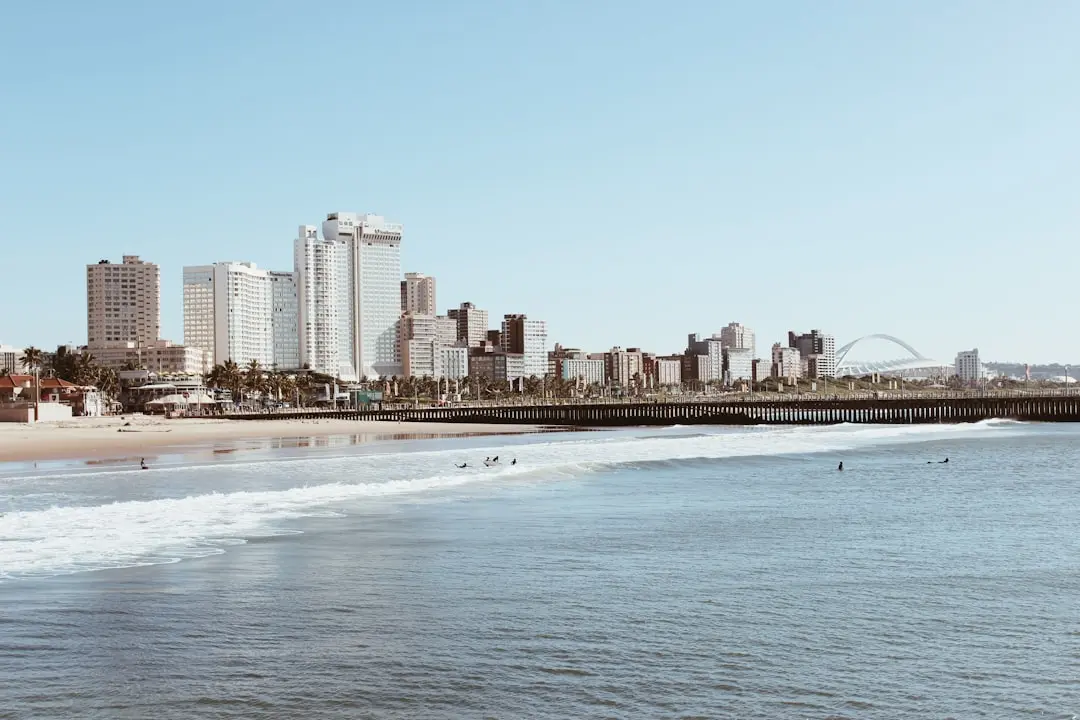
Durban Travel Costs in 2026: Backpacker, Nomad & Luxury Budgets
South Africa · AfricaDurban blends beach vibes with Indian culture and is easier on your wallet than Cape Town. Catch the final days of the Durban International Film Festival and enjoy winter sun on the Golden Mile.
Is Durban Expensive? The Short Answer
No — Durban is cheap. At $25 a day for backpacker travel it undercuts 83% of the 399 destinations we track.
- A short trip of 4 nights costs about $100, excluding flights.
- A week costs about $175; a month is about $750.
- That works out at $25 a day for backpacker travel.
Living in Durban: Backpacker Guide for 2026
Durban is a secret weapon for budget travelers in South Africa. While Cape Town gets all the attention, this beachside city offers a laid-back vibe, warm weather, and some of the country’s cheapest hostels. August is winter, but the subtropical climate keeps things pleasant, with sunny days perfect for exploring the Golden Mile. The unique Indian-African mix shows up in food, markets, and street life, making it an intriguing stop. Hostels near the beach often have dorms for $10–15 a night, and street food like bunny chow costs a few dollars. It’s a refreshingly unpretentious destination.
For the best budget digs, look at the Beachfront hostels — Happy Dolphin and the Backpackers at Florida Road both have social common areas and organize day trips. Street food is the big money-saver: grab a steaming bunny chow (a hollowed-out loaf filled with curry) from the Victoria Street Market for under $3, or snack on samoosas anywhere. Free things to do are abundant — sunbathe on North Beach, rent a surfboard for about $10, or walk the 6km promenade from the harbor to uShaka Marine World. The Moses Mabhida Stadium’s swing is worth the splurge for an insane view.
The best neighborhoods for backpackers are the Beachfront for convenience and Morningside for a more local feel. Morningside is a leafy suburb with craft coffee shops, quirky bars, and cheaper hostels. Avoid the city center after dark, and use Uber or Bolt for night transport — a 10-minute ride is about $5. There’s also a great Sunday market on Florida Road where you can eat your way through local vendors.
On a daily budget of around $25, you’ll cover a hostel bed ($12), three meals ($8), local transport ($2), and still have change for a beer. Keep costs down by shopping at Checkers or Spar for picnic supplies and hitting happy hours. Durban isn’t a party capital, but it’s a genuine, friendly beach town that rewards adventurous spirits — and your wallet.
How Much Does Durban Cost? Daily and Monthly Budget
| Travel style | Day | Week | Month |
|---|---|---|---|
🎒BackpackerHostels, street food, public transport | $25/day | $175/week | $750/month |
💻Digital NomadPrivate room, cafes, coworking spaces | $70/day | $490/week | $2100/month |
✨LuxuryHotels, fine dining, private transfers | $250/day | $1750/week | $7500/month |
Internet Speed in Durban for Remote Work
Where to Stay in Durban: Best Neighborhoods
Beachfront (North & South Beach)
$The heart of tourist Durban, with the Golden Mile promenade, uShaka Marine World, and many affordable hostels and hotels. It's lively and convenient, but can be busy and a bit touristy.
Morningside
$A leafy, bohemian suburb a short bus or car ride from the beach. Known for its craft coffee shops, quirky bars, and top-rated restaurants on Florida Road. It's a great base for backpackers and remote workers who want a local feel.
Umhlanga
$$Durban's upscale coastal town, north of the city center. Home to luxurious hotels like the Oyster Box, pristine beaches, and the upscale Gateway shopping mall. A favorite for luxury travelers and those seeking a safe, high-end experience.
Berea
$A residential area on a ridge above the city, offering great views and a more authentic side of Durban. It's affordable, quieter, and has a mix of student housing and family homes. Some parts are a bit rough, so choose your street carefully.
Weather in Durban This Week
Pros and Cons of Living in Durban
Pros
- +Affordable cost of living
- +Warm subtropical climate year-round
- +Beautiful beaches and Golden Mile promenade
- +Rich Indian-South African cuisine
- +Friendly locals and multicultural atmosphere
- +Good surf spots
- +Growing coworking scene
- +Cheap and tasty street food
- +Great value for luxury hotels
- +Access to safaris and game reserves
Cons
- -High crime rate in some areas
- -Unreliable public transport
- -Occasional load shedding
- -Limited nightlife compared to Cape Town
- -Small digital nomad community
- -Plastic pollution on some beaches
- -Need a car for exploring beyond the city
- -Poor air quality in certain industrial zones
- -Not as developed for tourism as Cape Town
- -Inconsistent internet speeds
Durban FAQ: What Travelers Ask Most
Durban has a reputation for crime, but tourist areas like the beaches and Umhlanga are generally safe. Always stay vigilant, avoid walking alone at night, and use rideshare apps instead of walking in deserted areas. Stick to well-known neighborhoods and you'll have a great time.
The best time is during winter (May to September) when it's dry and mild, with average highs of 22°C (72°F). Summer (November to February) is hot and humid with frequent thunderstorms. August is a sweet spot—warm, sunny, and the Durban International Film Festival is on.
South Africa offers visa-free entry for many nationalities, including US, UK, and EU citizens, for up to 90 days. Other nationalities should check with the South African embassy. Passports must be valid for at least 30 days after departure.
Broadband speeds average around 40 Mbps down and 20 Mbps up, which is fine for most remote work. Fiber is available in many areas, but connectivity can be interrupted by load shedding. Coworking spaces and many cafes have backup power.
Yes, Durban is a viable remote work destination, though not as established as Cape Town. There are coworking spaces, decent internet, and an affordable cost of living. The nomad community is small but growing, and long stays are possible with visa-free 90-day visits.
Durban has a modest backpacker scene, with friendly hostels near the beach and in Morningside. It's less social than Cape Town but offers good value, great street food, and a chance to meet locals. Activities like surfing and beach sports make it a fun stop.
Backpackers can manage on $20–30 a day, nomads on $60–75 a day, and luxury travelers on $250+ a day. Durban is one of the most affordable cities in South Africa, especially compared to Cape Town or Johannesburg.
Cities Near Durban
The closest destinations across the border, with distance and daily cost
Best Places to Visit in Africa
Top-scoring destinations in the same part of the world.
Quick Facts
- Global Rank
- #164 of 399
- Rank in South Africa
- #3 of 3
- Region
- Africa
- Timezone
- Johannesburg
- Weather
- 20.9°C · Sunny
- Backpacker
- $25/day
- Digital Nomad
- $70/day
- Luxury
- $250/day
- Monthly (backpacker)
- $750
- Download
- 40 Mbps
- Upload
- 20 Mbps
Score by Travel Style
Do You Need a Visa for Durban?
South Africa offers visa-free entry for many nationalities (including USA, UK, EU) for up to 90 days. Always check with the Department of Home Affairs for updates.
Is Durban Safe?
Durban has a reputation for crime, but tourist areas are patrolled. Avoid walking alone at night, and stick to well-lit places. Use rideshare apps for transport.