
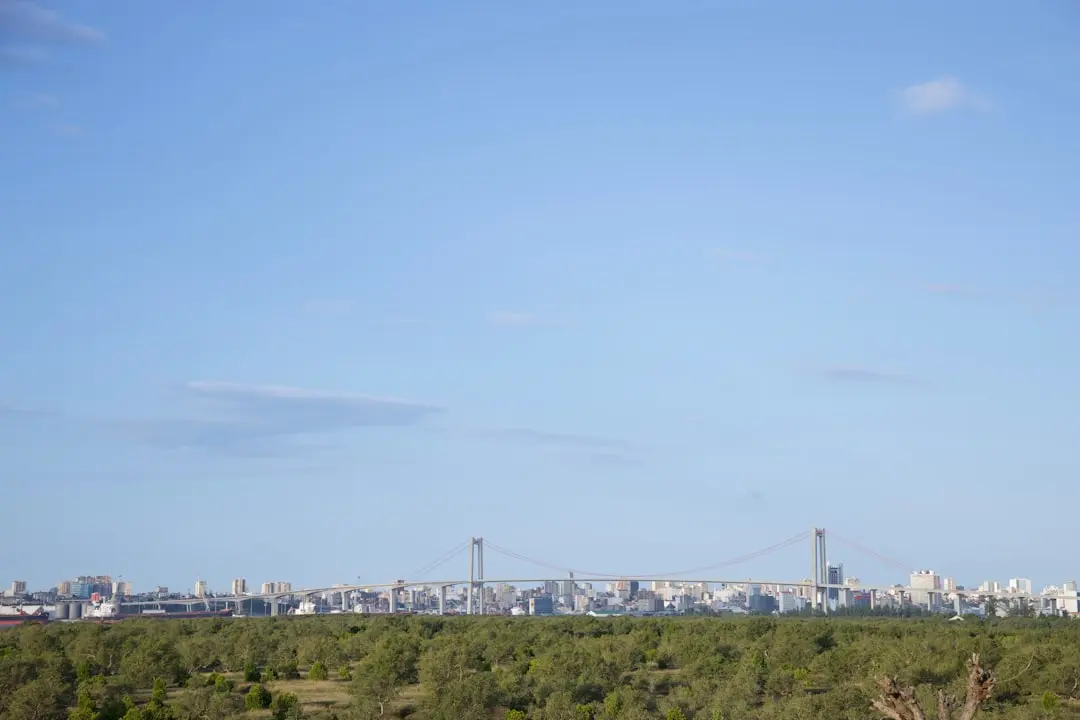
Maputo Travel Costs in 2026: Backpacker, Nomad & Luxury Budgets
Mozambique · AfricaMaputo, the Indian Ocean capital of Mozambique, combines colonial architecture, spicy peri-peri cuisine, and a laid-back coastal vibe. Budget travelers can feast on grilled prawns for under $5, while the Azgo Festival in September adds music and dance to the streets.
Is Maputo Expensive? The Short Answer
No — Maputo is cheap. At $18 a day for backpacker travel it undercuts 97% of the 399 destinations we track.
- A short trip of 4 nights costs about $72, excluding flights.
- A week costs about $126; a month is about $540.
- That works out at $18 a day for backpacker travel.
Living in Maputo: Backpacker Guide for 2026
Maputo is an off-the-radar backpacker destination that sits on the Indian Ocean like a sleepy but soulful secret. Skip the well-worn trails of Bangkok and Hanoi—here you get crumbling Portuguese architecture, smoky charcoal grills, and a city rhythm that hasn't yet been polished for mass tourism. August is a sweet spot to arrive: the weather is dry and warm, and the city is buzzing with preparations for the Azgo Multicultural Festival in September, where music and dance spill into the streets.
The backpacker infrastructure is modest but real. Homey hostels like Casa Azul and Mozaic Guest House offer beds for $12–15 a night, and the best of Maputo is free: wander the pastel colonial buildings in the Baixa, climb to the Mirador for a panoramic view, or join locals on the sand at Costa do Sol. Eating is where you win. Street vendors serve giant peri-peri prawns on skewers for $5, and the Central Market hands you a stuffed pão com chouriço plus fresh coconut for under $3. Use the chaotic chapas minibuses to get around—they cost pennies and let you practice your Portuguese with amused commuters.
Base yourself in the Baixa or Alto Maé, where budget guesthouses sit above cafés and handicraft stalls. On a typical day, you'll spend about $20: $14 for a bed, $4 for two meals, $2 for transport, and the rest for a cold 2M beer. For less than $25 a day, you can live deeply. Just be street-smart: stash your passport, don't flash your phone at night, and carry a copy of your shoes. It's a colorful, kind, and underrated corner of Africa—bring a sense of adventure and a few extra days to explore the coastline south to Ponta do Ouro.
How Much Does Maputo Cost? Daily and Monthly Budget
| Travel style | Day | Week | Month |
|---|---|---|---|
🎒BackpackerHostels, street food, public transport | $18/day | $126/week | $540/month |
💻Digital NomadPrivate room, cafes, coworking spaces | $45/day | $315/week | $1350/month |
✨LuxuryHotels, fine dining, private transfers | $180/day | $1260/week | $5400/month |
Internet Speed in Maputo for Remote Work
Where to Stay in Maputo: Best Neighborhoods
Polana
$$Upscale embassy district with leafy avenues, historical buildings, and the landmark Polana Serena Hotel. Safe and polished, ideal for longer stays and those on a higher budget.
Baixa
$The historic downtown core, filled with colonial-era architecture, markets, and street food stalls. Budget-friendly with a gritty, authentic energy.
Sommerschield
$$Exclusive residential quarter near the coast, home to upscale villas and a few boutique hotels. Quiet, secure, and perfect for families or remote workers.
Alto Maé
$A lively mid-range neighborhood between Baixa and Polana, full of guesthouses and local cafés. A good middle ground for budget travelers.
Weather in Maputo This Week
Pros and Cons of Living in Maputo
Pros
- +Very low cost of living for budget travelers
- +Delicious and cheap seafood peri-peri dishes
- +Warm, friendly locals
- +Beautiful colonial architecture
- +Indian Ocean coastline with nearby beaches
- +Vibrant arts and music scene, especially during Azgo Festival
- +Safe enough for daytime exploration
- +Great starting point for exploring southern Mozambique
- +Unique blend of Portuguese and African culture
- +Affordable accommodations (hostels and guesthouses)
Cons
- -Unreliable and slow internet
- -Petty crime and occasional muggings at night
- -Limited backpacker hostel scene
- -Poor public transport infrastructure
- -Frequent power outages
- -Language barrier (Portuguese, not English)
- -Few dedicated coworking spaces
- -Economic and political uncertainty
- -Luxury options are limited compared to global hubs
- -Rainy season (Nov–Mar) brings flooding and humidity
Maputo FAQ: What Travelers Ask Most
Maputo is generally safe for tourists, especially during daylight hours. However, petty theft and muggings can occur in crowded markets and after dark. Avoid walking alone at night, leave valuables at your accommodation, and use registered taxis or ride-hailing apps.
The best time is the dry season from May to October, with warm days and cooler nights. August is ideal—you'll miss the heavy rains and enjoy the city's architecture and beaches without humidity. The wet season from November to April brings rain and higher temperatures.
Most passport holders from Western countries (US, UK, EU, South Africa) can obtain a 30-day visa on arrival at Maputo International Airport for around $50. Others should apply for an e-visa beforehand. Visas can be extended at the migration office for a fee, and there are options for multiple-entry visas.
Fixed broadband averages around 15 Mbps download and 8 Mbps upload, which is fine for basic tasks but not for heavy video streaming. Mobile 4G from Vodacom or Movitel is often more reliable, reaching 5–10 Mbps. For remote work, consider a coworking space with dedicated fiber.
Yes, but with planning. The infrastructure is developing, so you'll need a backup connection like a 4G dongle. A few coworking spaces exist (e.g., The Hub), and long-term stays are feasible. Mozambique doesn't have a digital nomad visa, but a tourist visa plus border runs works for many.
It's small but welcoming. Hostels are few (Casa Azul, Mozaic Guest House) but have a social vibe. You'll meet other travelers over shared tables and street food. The scene is raw and adventurous—less polished than Southeast Asia, but easy to bond with fellow budget explorers.
Budget backpackers can live on $15–25 a day, covering a hostel bed, street food, and local transport. Digital nomads should budget $40–60 daily for an apartment, coworking, and meals. Luxury travelers can expect $180–250 a day for a five-star hotel and fine dining.
Cities Near Maputo
The closest destinations across the border, with distance and daily cost
Best Places to Visit in Africa
Top-scoring destinations in the same part of the world.
Quick Facts
- Global Rank
- #165 of 399
- Region
- Africa
- Timezone
- Maputo
- Weather
- 22.2°C · Overcast
- Backpacker
- $18/day
- Digital Nomad
- $45/day
- Luxury
- $180/day
- Monthly (backpacker)
- $540
- Download
- 15 Mbps
- Upload
- 8 Mbps
Score by Travel Style
Do You Need a Visa for Maputo?
Most Western passports receive a 30-day visa on arrival for $50; others need an e-visa. Extensions are possible at the migration office.
Is Maputo Safe?
Maputo is generally safe for tourists, but petty theft and muggings can occur in crowded areas. Avoid walking alone at night and use registered taxis.