
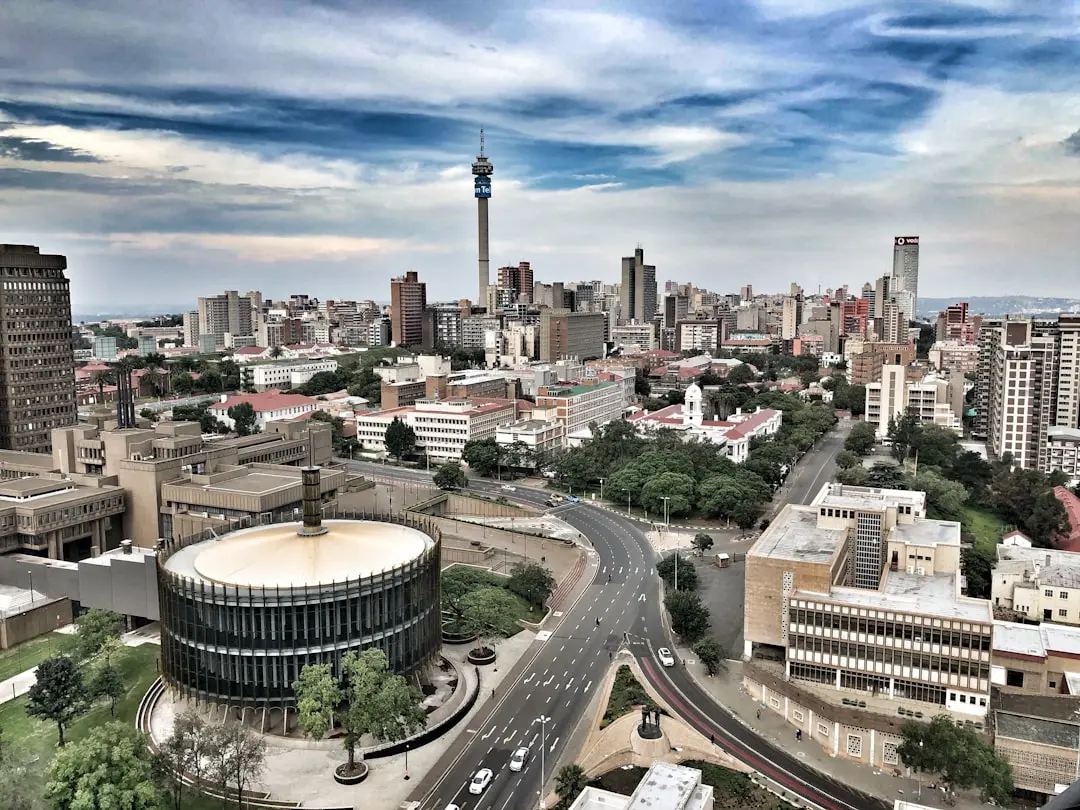
Johannesburg Travel Costs in 2026: Backpacker, Nomad & Luxury Budgets
South Africa · AfricaJohannesburg is a city of contrasts—gritty and glamorous, with a raw energy that's intoxicating. August offers crisp winter days perfect for exploring, and the upcoming Arts Alive festival in September lights up the cultural scene. It's a destination for the bold, with surprising value for all budgets.
Is Johannesburg Expensive? The Short Answer
No — Johannesburg is cheap. At $25 a day for backpacker travel it undercuts 83% of the 399 destinations we track.
- A short trip of 4 nights costs about $100, excluding flights.
- A week costs about $175; a month is about $750.
- That works out at $25 a day for backpacker travel.
Living in Johannesburg: Backpacker Guide for 2026
Johannesburg isn't on the typical backpacker trail, and that's exactly why it's thrilling. This sprawling metropolis defies expectations with its electric energy, historical weight, and a thriving arts scene. Sure, you need your wits about you, but the reward is a raw, unfiltered South African experience. In winter (August-September), days are sunny and dry, ideal for walking tours and outdoor events like the upcoming Arts Alive festival.
Hostels won't disappoint: Curiocity Backpackers in Maboneng is a legendary hub with a pool and vibrant social scene, while Lebo's Soweto Backpackers offers immersive township experience with guided bicycle tours. Street food is a boon—try kota (a sandwich stuffed with fries and polony) from local spazas, or a hearty bunny chow at a shebeen. Free activities abound: walk across Mandela Bridge, explore the graffiti alleys of Maboneng, and soak in the history of Constitution Hill (entry is cheap).
For budget stays, Maboneng is the creative heartbeat—gentrified, artsy, and walkable. Melville is quirky and bohemian, packed with cafes and secondhand shops. Rosebank is pricier but safer with a backpackers vibe. Avoid the CBD at night; stick to these enclaves for a fuss-free trip.
Daily costs are wonderfully low: hostel dorm $12-15, street meals $5-8, public transport (Uber or minibus) $3-5, and a beer $2. That totals around $22-28. To save more, cook in hostel kitchens, use the Gautrain (cheaper than Ubers), and join free walking tours in Maboneng. For the adventurous backpacker, Joburg is an underrated gem that rewards those who look past the headlines.
How Much Does Johannesburg Cost? Daily and Monthly Budget
| Travel style | Day | Week | Month |
|---|---|---|---|
🎒BackpackerHostels, street food, public transport | $25/day | $175/week | $750/month |
💻Digital NomadPrivate room, cafes, coworking spaces | $75/day | $525/week | $2250/month |
✨LuxuryHotels, fine dining, private transfers | $250/day | $1750/week | $7500/month |
Internet Speed in Johannesburg for Remote Work
Where to Stay in Johannesburg: Best Neighborhoods
Maboneng
$A regenerated arts district in the city center, known for its galleries, street art, and vibrant nightlife. It's creative and walkable, with a mix of backpackers and hip locals. Price level is medium, but there are hostels and budget cafes.
Melville
$A bohemian suburb with tree-lined streets, vintage shops, and a relaxed vibe. It's popular with artists and students, offering affordable guesthouses and live music venues. Safe during day, but caution at night.
Rosebank
$An upscale but laid-back neighborhood with a famous Sunday market, boutique hotels, and good transport links. It's safer and more polished, with many cafes and coworking options. Price level is medium to high.
Sandton
$$The financial and luxury hub, with high-end hotels, malls, and corporate offices. It's the safest area, with secure apartment blocks and a modern feel. Ideal for nomads and luxury travelers, though more expensive.
Weather in Johannesburg This Week
Pros and Cons of Living in Johannesburg
Pros
- +Very affordable cost of living for all budgets
- +Excellent value for luxury accommodations
- +Vibrant arts and culture scene
- +Dynamic energy and entrepreneurial spirit
- +Gateway to nearby safari and wildlife parks
- +Great food scene from street to fine dining
- +Well-connected to Europe and other African cities
- +Solid internet in major business areas
- +Growing digital nomad community
- +Unique African history and heritage sites
Cons
- -High crime rate, especially in the CBD
- -Safety concerns limit nightlife and walking
- -Public transit is limited; Uber is essential
- -Air quality can be poor in winter
- -No official visa for remote work yet
- -Nomad community is smaller than Cape Town
- -Some areas have unreliable power outages
- -Driving culture is car-dependent and aggressive
- -Youth unemployment and social inequality visible
- -Street begging and hawking can be intense
Johannesburg FAQ: What Travelers Ask Most
Johannesburg has high crime, but that doesn't mean you should skip it. Stick to neighbourhoods like Sandton, Rosebank, and Maboneng, avoid walking at night, and use Uber or arranged transport. Most visits are trouble-free if you take sensible precautions and stay aware of your surroundings.
August to September is ideal—it's winter, so days are dry and mild, and the Arts Alive festival in September brings a cultural buzz. Summer (November to March) is hot but also rainy. If you're planning safaris, winter is actually prime time for game viewing.
Many nationalities, including Americans, Brits, and Australians, get 90 days visa-free on arrival. South Africa has announced a remote work visa, but it's not fully rolled out yet. For longer stays, you might need to apply for a long-term visa or leave and re-enter.
In business areas like Sandton and Rosebank, fiber internet speeds hit 40-100 Mbps, which is reliable. Some older areas still have ADSL. Coworking spaces offer strong WiFi. Power outages are a concern, so many places have backup power.
Yes, but with caveats. The city has decent internet and a growing nomad community. Many nomads base themselves in Sandton or Rosebank. You'll need to solve the power and safety issues by choosing a secure building with backup power, and using ride-hailing rather than walking.
It's small but welcoming. Hostels like Curiocity and Lebo's Soweto Backpackers are social hubs, and you'll likely meet travelers who are adventurous and into off-the-beaten-path experiences. The scene is less organized than in Southeast Asia, but it feels more authentic.
Backpackers can get by on $25-30/day with hostels and street food. Digital nomads typically spend $70-100/day, including rent and coworking. Luxury travelers can enjoy the high life for $200-300/day—a five-star room and fine dining are comparatively cheap.
Cities Near Johannesburg
The closest destinations across the border, with distance and daily cost
Best Places to Visit in Africa
Top-scoring destinations in the same part of the world.
Quick Facts
- Global Rank
- #163 of 399
- Rank in South Africa
- #2 of 3
- Region
- Africa
- Timezone
- Johannesburg
- Weather
- 15.2°C · Overcast
- Backpacker
- $25/day
- Digital Nomad
- $75/day
- Luxury
- $250/day
- Monthly (backpacker)
- $750
- Download
- 40 Mbps
- Upload
- 20 Mbps
Score by Travel Style
Do You Need a Visa for Johannesburg?
Many nationalities, including US, UK, EU, and Australian passport holders, get 90-day visa-free entry. South Africa is working on a remote work visa, but for now, travelers can do visa runs or apply for a long-term visitor's visa for stays up to 90 days.
Is Johannesburg Safe?
Johannesburg has high crime rates, but most tourist-friendly areas like Sandton, Rosebank, and Maboneng are safe if you take precautions: avoid walking alone at night, don't display valuables, and use ride-hailing services. It's safer during day, and guided tours are recommended.