
Addis Ababa Travel Costs in 2026: Backpacker, Nomad & Luxury Budgets
Ethiopia · AfricaAddis Ababa offers an authentic East African experience at bargain prices. With Meskel and Ethiopian New Year celebrations happening in September, the city is gearing up for vibrant festivals. Backpackers can live on $15/day, while nomads and luxury travelers find emerging infrastructure. Rainy season is ending, so pack for occasional showers and enjoy the lush scenery.
Is Addis Ababa Expensive? The Short Answer
No — Addis Ababa is cheap. At $15 a day for backpacker travel it undercuts 99% of the 399 destinations we track.
- A short trip of 4 nights costs about $60, excluding flights.
- A week costs about $105; a month is about $450.
- That works out at $15 a day for backpacker travel.
Living in Addis Ababa: Backpacker Guide for 2026
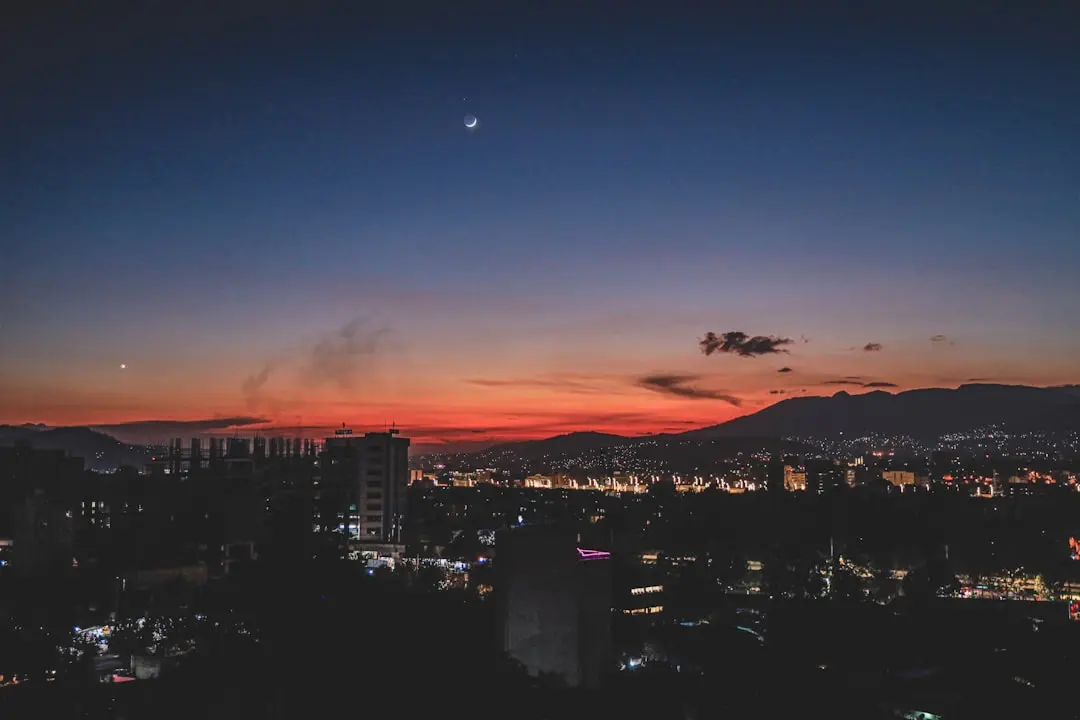
Addis Ababa is a raw, authentic introduction to East Africa, and for the budget traveler it's an unbeatable bargain. While the city lacks the backpacker party scene of Southeast Asia, it offers something rarer: genuine cultural immersion, warm smiles, and the thrill of a city that moves to its own rhythm. In August, the rainy season brings short afternoon downpours, so pack a light rain jacket—but the low clouds also make the city lush and moody-breathtaking from the heights of Mount Entoto. The excitement is building for Meskel (September 27) and Ethiopian New Year (Enkutatash, September 11), when the whole city erupts in yellow daisies, singing, and bonfires.
Hostels are incredibly cheap: dorm beds at places like Mey Hostel or Jolly Hotel cost $5-$10 a night and often include breakfast. Street food is a feast: sample injera with shiro, sambusa, and fried fish from local suks. For a free thrill, hike to the top of Entoto Hill for panoramic views, wander the bustling Merkato (one of Africa's largest markets), or join locals playing football in Arat Kilo. Most museums, including the National Museum with Lucy, charge less than $5.
Stay in budget-friendly neighborhoods like Piazza, with its charming old Italian architecture and cheap local cafés, or the student-friendly Arat Kilo area near Addis Ababa University, where a simple room can cost as little as $4 a night. Bole is more expensive but has the best street-food scene and big Ethiopian coffee ceremonies everywhere.
Day-to-day, you can live incredibly well on $15 a day: bed $7, food $5, local minibus or walking $1, plus $2 for a spectacular coffee blowout. To save more, cook with locals, use long-distance minibuses instead of taxis, and avoid the tourist-trap restaurants near the Sheraton. Addis isn't a polished backpacker hub—it's a city that rewards curiosity and flexibility, and those who come with an open mind will leave with memories money can't buy.
How Much Does Addis Ababa Cost? Daily and Monthly Budget
| Travel style | Day | Week | Month |
|---|---|---|---|
🎒BackpackerHostels, street food, public transport | $15/day | $105/week | $450/month |
💻Digital NomadPrivate room, cafes, coworking spaces | $45/day | $315/week | $1350/month |
✨LuxuryHotels, fine dining, private transfers | $200/day | $1400/week | $6000/month |
Internet Speed in Addis Ababa for Remote Work
Where to Stay in Addis Ababa: Best Neighborhoods
Bole
$$The upscale heart of Addis, filled with embassies, luxury hotels, and international restaurants. Popular with expats and the city's elite, Bole offers the best nightlife and shopping but at higher prices.
Piazza
$The historic center with Italian-era architecture, budget hotels, and traditional coffee houses. A maze of markets and small shops, perfect for backpackers seeking character on a dime.
Kazanchis
$The diplomatic and business district, new mid-rise offices and a growing number of cafés and coworking spaces. Conveniently central and increasingly popular with nomads.
Arat Kilo
$A lively student area surrounding Addis Ababa University. Packed with cheap eats, grimy clubs, and budget guesthouses, it's ideal for young backpackers and anyone watching their wallet.
Weather in Addis Ababa This Week
Pros and Cons of Living in Addis Ababa
Pros
- +Extremely low cost of living
- +Rich cultural heritage and history
- +Friendly and welcoming locals
- +Unique Ethiopian cuisine and coffee
- +Growing expat and nomad community
- +Gateway to historic sites like Lalibela and Axum
- +Mild, spring-like climate year-round
- +World-class museums and landmarks
- +Bole International Airport connects to many routes
- +Simplified e-visa process for many nationalities
Cons
- -Unreliable internet and frequent power outages
- -Petty crime and common scams
- -Limited luxury hotel and dining options
- -Heavy rain can cause flooding during the wet season
- -Public transportation can be chaotic and crowded
- -Relatively few dedicated backpacker hostels
- -Nightlife is modest compared to other capitals
- -Occasional political protests disrupt daily life
- -Coworking spaces are sparse and undersized
- -Traffic congestion is severe, especially during peak hours
Addis Ababa FAQ: What Travelers Ask Most
Addis Ababa is generally safe for tourists, but you should exercise normal precautions. Petty theft and pickpocketing can happen in crowded areas like Merkato and on minibuses. Avoid walking alone at night in unfamiliar parts of the city and keep your valuables out of sight.
The best time is during the dry season from October to March, when rainfall is minimal and the city is at its most comfortable. August is still in the rainy season, but if you visit now, be prepared for afternoon showers. The Meskel and Ethiopian New Year celebrations in September are a fantastic time to experience local culture.
Many nationalities can obtain an e-visa before arrival, and Ethiopian visa on arrival is available at Bole International Airport for some passport holders. The tourist visa typically allows a 30-day stay and can be extended once for another 30 days. Always check the latest requirements with the Ethiopian embassy or official e-visa portal.
Internet speeds vary but average around 20-40 Mbps download through fixed broadband, while mobile 4G can be faster in central areas. However, reliability is a challenge, with occasional outages. Many cafés and coworking spaces offer Wi-Fi, and some have adopted Starlink for better connectivity.
Yes, digital nomads can work remotely in Addis Ababa, though it requires patience. The cost of living is a strong plus, and there is a small but active nomad community. Invest in a local SIM with a data package and consider a UPS for power cuts. Coworking spaces are limited but growing.
The backpacker scene is small but friendly, with a few budget hostels and guesthouses. You won't find a lively party atmosphere, but you will meet other adventurous travelers exploring East Africa. The low cost of living makes it easy to stretch your budget and connect with locals.
For backpackers, plan around $15 per day for a dorm bed, street food, and local transport. Digital nomads can live comfortably on $45 per day, covering an apartment, coworking, and meals. Luxury travelers can expect $200+ per day for high-end hotels and fine dining, though prices are far lower than in Europe or Dubai.
Cities Near Addis Ababa
The closest destinations across the border, with distance and daily cost
Best Places to Visit in Africa
Top-scoring destinations in the same part of the world.
Quick Facts
- Global Rank
- #124 of 399
- Region
- Africa
- Timezone
- Addis Ababa
- Weather
- 18.4°C · Sunny
- Backpacker
- $15/day
- Digital Nomad
- $45/day
- Luxury
- $200/day
- Monthly (backpacker)
- $450
- Download
- 30 Mbps
- Upload
- 12 Mbps
Score by Travel Style
Do You Need a Visa for Addis Ababa?
Many nationalities can obtain an e-visa or visa on arrival for up to 30 days, extendable by 30 days. Check requirements before travel.
Is Addis Ababa Safe?
Addis Ababa is generally safe for travelers who exercise normal precautions. Petty theft, pickpocketing, and occasional scams are common in crowded areas like Merkato and on public transit. Avoid walking alone after dark in unfamiliar areas. Politically stable but sometimes protests occur.