
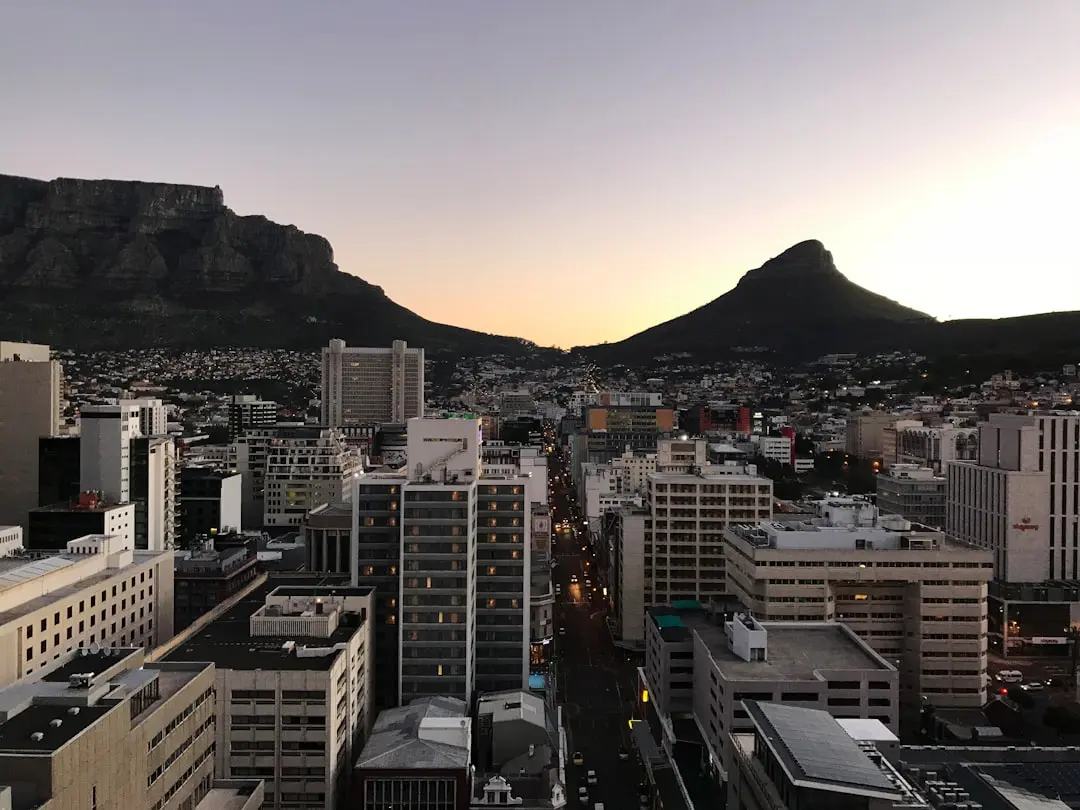
Cape Town Travel Costs in 2026: Backpacker, Nomad & Luxury Budgets
South Africa · AfricaAugust in Cape Town is quiet, dramatic and a steal with off-season hotel rates. Whale-watching peaks along the coast, and the Cape Town Fringe Festival and Hermanus Whale Festival are just weeks away. Expect rain showers but also sunny days, world-class wine at bargain prices, and fewer crowds at Table Mountain and the Winelands.
Is Cape Town Expensive? The Short Answer
Cape Town is mid-range. At $35 a day for backpacker travel it undercuts 57% of the 399 destinations we track.
- A short trip of 4 nights costs about $140, excluding flights.
- A week costs about $245; a month is about $1050.
- That works out at $35 a day for backpacker travel.
Living in Cape Town: Backpacker Guide for 2026
August is low season in Cape Town, which means your rand goes further, hostels drop prices, and you'll have Table Mountain and the Winelands to yourself between rain showers. The backpacker scene is still buzzing—you'll find a mix of overlanding crews, surfers and gap-year folks in the hostels of Green Point, Sea Point and Gardens. This is the month to score a heated pool, a sea view and braai (barbecue) nights without the winter crowds.
For beds, check out Never at Home Green Point (a party hostel), the Purple Palm in Sea Point, or the Backpack in Cape Town's city bowl—all hug the MyCiti bus route. Eat like a local with Gatsby sandwiches from Golden Dish in Woodstock, samoosa triangles and bunny chow from the Indian quarter, and a R35 fish and chips at Kalk Bay Harbour. Freebies that don't dent the budget: hike Lion's Head above the clouds, brave the steep Platteklip Gorge route up Table Mountain, walk the Sea Point promenade, and visit the Bo Kaap's candy-coloured houses (self-guided).
Bunk down in the City Bowl for bar-till-late walkability, Sea Point for ocean air and cheap grocery stores, or Observatory for a funky student vibe and cheap eats. Avoid the central bus taxi rank at night and use the well-lit MyCiti buses after hours; most hostels also run shuttle deals.
Daily budget: dorm R200-250, street food R100-150, local transport R30-70, and R100 for museum or wine farm. On a strict plan you'll spend around R500-600 ($30-38) a day. Cook your own braai packs from Woolworths, team up with hostel mates on a shared car hire, buy wine from the farm gates in Stellenbosch (bottles for R40), and always confirm the fare before taking a metered taxi. Cape Town is an adventure if you trade a little caution for a lot of reward.
How Much Does Cape Town Cost? Daily and Monthly Budget
| Travel style | Day | Week | Month |
|---|---|---|---|
🎒BackpackerHostels, street food, public transport | $35/day | $245/week | $1050/month |
💻Digital NomadPrivate room, cafes, coworking spaces | $80/day | $560/week | $2400/month |
✨LuxuryHotels, fine dining, private transfers | $280/day | $1960/week | $8400/month |
Internet Speed in Cape Town for Remote Work
Where to Stay in Cape Town: Best Neighborhoods
Sea Point
$A hilly beachfront suburb with a long promenade, cafés, grocery stores and a mix of backpackers and mid-range guesthouses. Safe-ish by day, vibrant at night.
Gardens
$A central city-bowl neighborhood with tree-lined streets, museums, restaurants, and a short ride to Table Mountain's cableway. Great for remote workers and nomads.
Camps Bay
$$The glamorous beach suburb with white-sand beaches, sunset bars, and high-end hotels. Prices are steep but the scenery and nightlife are worth it.
Observatory
$Trendy student and arts district with cheap eats, vintage stores, murals and a bohemian vibe. It's on the fringe but a favorite for backpackers and budget nomads.
Weather in Cape Town This Week
Pros and Cons of Living in Cape Town
Pros
- +Breathtaking natural scenery: Table Mountain, cliffs, and beaches
- +World-class wine at incredibly low prices
- +Off-season discounts in August on hotels and flights
- +Vibrant hostels and backpacker community
- +Outstanding luxury hotels and fine dining
- +Whale-watching season kicks off in August
- +MyCiti bus network makes tourist spots easy to reach
- +Rich cultural mix of African, European and Malay influences
Cons
- -High crime rates in specific areas around the city
- -Inconsistent internet and occasional load-shedding
- -Winter storms and rain in August
- -Public transport limited outside the tourist routes
- -Taxi scams and overcharging for unsuspecting tourists
- -Some neighborhoods feel unsafe after dark
- -Camps Bay and Clifton are pricey even off-season
- -Long distances to attractions like Cape Point and the Winelands
Cape Town FAQ: What Travelers Ask Most
Cape Town is generally safe for tourists who stick to well-known areas like the V&A Waterfront, Sea Point, Camps Bay and the City Bowl during daylight. Violent crime is mostly concentrated in peripheral townships, so choose guided tours for those areas. Always keep valuables out of sight and avoid walking alone at night in deserted streets.
The best weather is from November to March—warm, sunny days with little rain. August is off-season: cooler, wetter, but cheaper and great for whale watching. If you want fewer crowds and lower prices, August is a smart choice; for beach weather aim for January or February.
South Africa allows visa-free entry for up to 90 days for many nationalities, including US, UK, EU, Australian and Canadian passport holders. Some passports require a visa in advance—check with the South African embassy. You'll need a passport with at least two blank pages and proof of sufficient funds.
In the central neighborhoods, you'll typically get around 40 Mbps down and 20 Mbps up, which is fine for video calls. Some areas still experience load-shedding, but most coworking spaces and modern accommodation have inverters and backup power. Cafés across the city offer free wifi, though quality varies.
Yes, Cape Town is a growing digital nomad destination with a small but active community. You can stay up to 90 days visa-free, which suits most remote stints. Coworking spaces like Workshop17 and Inner City Idea offer reliable wifi and networking events. There's no dedicated nomad visa yet, so longer stays may require a border run or a visitor's visa extension.
The backpacker scene is lively, especially in Green Point, Sea Point and the City Bowl. Hostels mix overlanders, surfers and budget travelers, with daily braais, pub crawls and organized trips. You'll easily find people to share a car hire or hike up Table Mountain together. It's a comfortable and social scene for solo travelers.
As a backpacker, you can get by on $30-40 a day with hostels and street food. A digital nomad sharing an apartment and eating out will spend around $75-85 daily. For a luxury trip, expect $250-350 per night for a 5-star hotel plus dining and activities, though off-season August rates make it a great deal.
Cities Near Cape Town
The closest destinations across the border, with distance and daily cost
Best Places to Visit in Africa
Top-scoring destinations in the same part of the world.
Quick Facts
- Global Rank
- #125 of 399
- Rank in South Africa
- #1 of 3
- Region
- Africa
- Timezone
- Johannesburg
- Weather
- 16.5°C · Sunny
- Backpacker
- $35/day
- Digital Nomad
- $80/day
- Luxury
- $280/day
- Monthly (backpacker)
- $1050
- Download
- 40 Mbps
- Upload
- 20 Mbps
Score by Travel Style
Do You Need a Visa for Cape Town?
Many nationalities get visa-free entry to South Africa for up to 90 days. Check requirements for your specific passport; you'll need at least two blank passport pages and proof of onward travel.
Is Cape Town Safe?
Cape Town is safe in the central tourist hubs during the day, but muggings and smash-and-grab do occur. Avoid township tours without a guide, keep valuables hidden, and don't walk alone after dark in deserted areas.