
Kampala Travel Costs in 2026: Backpacker, Nomad & Luxury Budgets
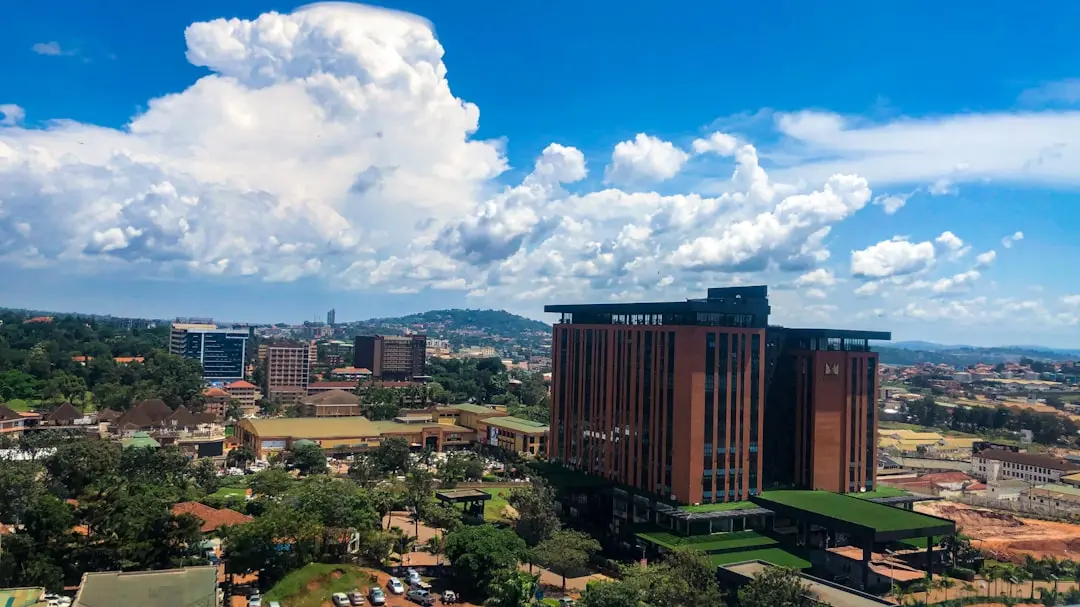
Uganda · AfricaKampala is a chaotic, colourful East African capital that rewards adventurous travellers with super cheap street food, a growing backpacker scene, and a raw, unpolished charm. With Nyege Nyege festival coming up in nearby Jinja in September, the city is buzzing with young travellers and creative energy. It's affordable, welcoming, and offers a real taste of life in the Pearl of Africa.
Is Kampala Expensive? The Short Answer
No — Kampala is cheap. At $25 a day for backpacker travel it undercuts 83% of the 399 destinations we track.
- A short trip of 4 nights costs about $100, excluding flights.
- A week costs about $175; a month is about $750.
- That works out at $25 a day for backpacker travel.
Living in Kampala: Backpacker Guide for 2026
Kampala is East Africa's scrappy, colourful heart, and it rewards backpackers who come with an open mind and a sense of adventure. The city is crowded, bustling and wonderfully chaotic, with booming street food stalls, rickety matatus and hilltop views that make you feel you've landed in a real, unpolished Africa. Right now in late August, the city is gearing up for Nyege Nyege, a three-day music and arts festival just two hours away in Jinja, so there's an extra buzz and a steady flow of young travellers in the hostels.
Accommodation is the easiest part: Red Chilli Hideaway and a growing set of guesthouses in Kabalagala offer dorm beds for $8–12, and budget hotels in Ntinda and Kansanga undercut even that. Fuel your days on street food – rolex (a chapati rolled around an egg and vegetables) for under $1, smoky nyama choma on Kampala Road, and fresh fruit at the Nakasero Market. Free things are everywhere: hike to the Bahá'í Temple, stroll the old Kasubi Tombs grounds, wander the artsy Ggaba Road, and watch the sunset from a lakeside spot in Ggaba or Munyonyo.
Kabalagala is the backpacker nexus: cheap sleeps, lively bars, boda-boda drivers who know every hostel, and a mix of revelers from across the region. For a taste of everyday life, Ntinda and Kansanga are quieter and more local, with lower prices and roadside markets. Stay close to the main taxi parks and you'll save both time and money getting around.
A $25–30 daily budget gets you a dorm bed, three street meals, and a couple of boda rides; you can stretch it to $20 by cooking, sharing a room and sticking to matatus. Use the matatu network for long rides (1500–2000 shillings across town), always agree on a flat boda fare before hopping on, buy sachets of water for 500 shillings, and look for happy-hour deals in Kabalagala. With cash in shillings and a head full of stories, Kampala will leave you with an East African welcome no other city on the backpacking trail can match.
How Much Does Kampala Cost? Daily and Monthly Budget
| Travel style | Day | Week | Month |
|---|---|---|---|
🎒BackpackerHostels, street food, public transport | $25/day | $175/week | $750/month |
💻Digital NomadPrivate room, cafes, coworking spaces | $50/day | $350/week | $1500/month |
✨LuxuryHotels, fine dining, private transfers | $200/day | $1400/week | $6000/month |
Internet Speed in Kampala for Remote Work
Where to Stay in Kampala: Best Neighborhoods
Kololo
$$Kololo is Kampala's diplomatic heart, home to embassies, leafy streets and upscale hotels. It's a safe, clean area popular with expats and business travelers, with a price level higher than the city average.
Muyenga
$Muyenga sits on a hill above the city with sweeping views and some of Kampala's best residential streets. It's a prime expat choice with villa compounds, lakeside bars and a laid-back atmosphere.
Ntinda
$Ntinda is a vibrant local-commercial neighborhood with lively markets, bars and affordable short-stay apartments. It's a great middle-ground for backpackers and young professionals.
Kabalagala
$Kabalagala is Kampala's backpacker and nightlife hub, packed with budget guesthouses, street-food stalls, and bars that stay open late. It's exciting and chaotic, but a bit rough around the edges at night.
Weather in Kampala This Week
Pros and Cons of Living in Kampala
Pros
- +Affordable daily costs for backpackers and nomads
- +Warm, welcoming local culture
- +Vibrant street-food scene including rolex
- +Access to East Africa: safaris, Kenya and Rwanda
- +Improving internet speeds in business hubs
- +Small but friendly nomad and expat community
- +Year-round mild climate with two wet seasons
- +Creative arts, music and startup ecosystem
- +English is widely spoken
- +Great place to experience real, unpolished Africa
Cons
- -Heavy traffic congestion and long delays
- -Unreliable power supply in some areas
- -Petty crime and phone snatching in crowded spots
- -Poor public transportation; matatus and boda-bodas can be chaotic
- -Limited luxury accommodation in the truly five-star league
- -Medical facilities below Western standards
- -Cash is king; cards not accepted everywhere
- -Rainy seasons (March-May, September-November) can disrupt plans
- -Internet can be patchy outside central hubs
- -Prices of imported goods and expat services can spike
Kampala FAQ: What Travelers Ask Most
Kampala is generally safe during the day and in well-trodden expat areas, but petty theft like phone snatching is common in busy markets and taxi parks. Avoid walking alone at night, keep valuables hidden, and use licensed boda-boda or ride-hailing apps. Overall, it's a far lower-risk city than many people fear, but you should still take basic street smarts.
Kampala enjoys a mild, tropical highland climate year-round with two dry seasons (roughly June-July and December-February). For a mix of good weather and fewer crowds, visit June-August or late November-December. The long rains from March to May can turn roads to mud, while September-November rains are shorter and less disruptive.
Most visitors need a Uganda e-visa, which you apply for online in advance; the single-entry tourist visa costs about $50 and allows up to 90 days. Citizens of the East African Community (EAC) countries are exempt. A combined East African tourist visa (Uganda, Kenya, Rwanda) costs $100 and is excellent for exploring the region.
In central and expat areas such as Kololo, Muyenga and Ntinda, fiber connections can deliver 20-50 Mbps downloads, while mobile 4G and some 5G hotspots are fairly reliable. Coworking spaces generally have stable wired connections, though outages happen during storms. Have a backup 4G SIM and you can keep working fine.
Uganda has no formal digital nomad visa, but the 90-day tourist visa (extendable) is enough for many remote workers. The remote-work scene is small but functional, with coworking spaces in Kampala, good cafes with wifi, and a community that welcomes newcomers. Government services are bureaucratic, but extensions are straightforward.
Kampala has a modest backpacker scene compared to East African staples like Zanzibar or Nairobi, but it's growing. Hostels in Kabalagala and central areas create a social vibe, largely of overland truckers, volunteers and gap-year travelers. The street food and low prices make it easy to meet people, but you'll need to seek out events like hostel chill-outs or Nyege Nyege meetups.
Budget backpackers can get by reasonably with $25-30/day, covering a dorm bed, street food and local transport. Digital nomads budgeting $50-60/day can rent a simple furnished apartment and eat out daily; comfortable work setups cost around $1,200-1,500/month. Luxury travellers should expect $200-300/day for a good hotel and fine dining, which is still affordable by international standards.
Cities Near Kampala
The closest destinations across the border, with distance and daily cost
Best Places to Visit in Africa
Top-scoring destinations in the same part of the world.
Quick Facts
- Global Rank
- #220 of 399
- Region
- Africa
- Timezone
- Kampala
- Weather
- 25.8°C · Partly Cloudy
- Backpacker
- $25/day
- Digital Nomad
- $50/day
- Luxury
- $200/day
- Monthly (backpacker)
- $750
- Download
- 25 Mbps
- Upload
- 10 Mbps
Score by Travel Style
Do You Need a Visa for Kampala?
Most visitors need a Uganda e-visa, applied for online in advance; the single-entry tourist visa costs about $50 and allows up to 90 days. Citizens of East African Community countries are exempt. The East African tourist visa ($100) covers Kenya, Rwanda and Uganda.
Is Kampala Safe?
Kampala is generally safe during the day and in well-trodden expat areas, but petty theft like phone snatching is common in crowded markets and taxi parks. Avoid walking alone at night, use licensed boda-bodas or ride-hailing apps, and keep valuables out of sight in busy spots.