
Yangon Travel Costs in 2026: Backpacker, Nomad & Luxury Budgets
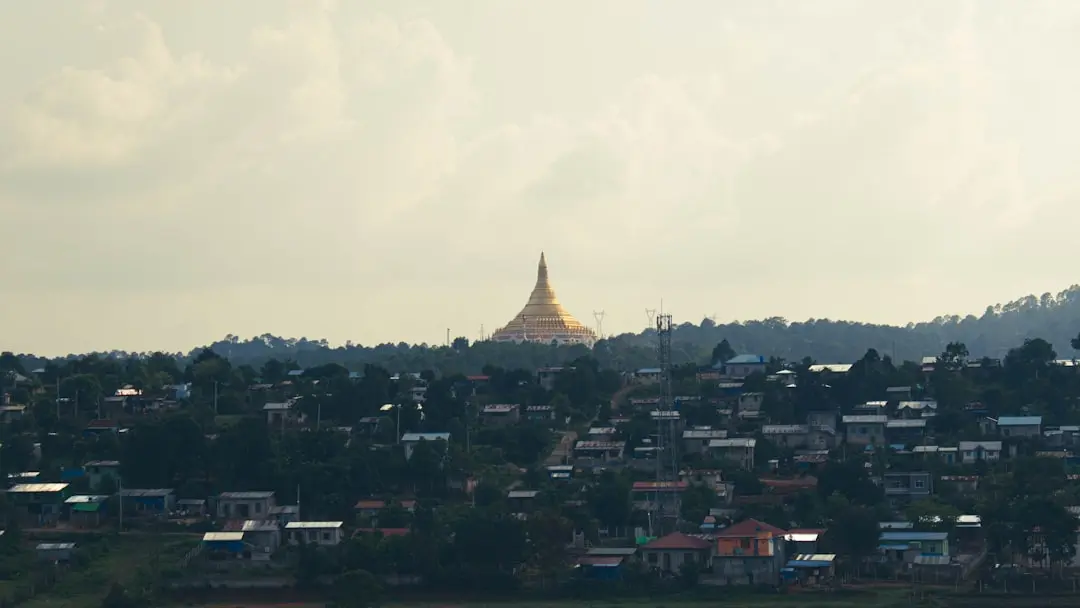
Myanmar · AsiaYangon seduces budget travelers and heritage lovers alike with its golden Shwedagon Pagoda, crumbling colonial charm, and street-food feasts for pocket change. Now in rainy-season pause, the city is quiet—but Thadingyut's festival of lights is already being prepared for October.
Is Yangon Expensive? The Short Answer
No — Yangon is cheap. At $15 a day for backpacker travel it undercuts 99% of the 399 destinations we track.
- A short trip of 4 nights costs about $60, excluding flights.
- A week costs about $105; a month is about $450.
- That works out at $15 a day for backpacker travel.
Living in Yangon: Backpacker Guide for 2026
Yangon is the beating heart of Myanmar's backpacker trail, offering an intoxicating mix of gold-plated stupas, crumbling colonial architecture, and street food that costs less than a dollar. The city is chaotic, steamy, and utterly bewitching—perfect for travelers who want raw Southeast Asia before it gets polished. Right now it's rainy season, so afternoons bring tropical downpours, but that also means fewer tourists, emerald-green parks, and the magical sight of the Shwedagon Pagoda shimmering in mist. There's no big festival this month, but the Thadingyut Festival of Lights glows up in October, and the city is already getting ready for it.
For a bed, Pansuriya Hostel near Sule Pagoda and Yangon Backpackers Hostel in Chinatown are the backpacker nucleus, with dorm beds from $6 to $10 and free breakfast. Street food heaven is 19th Street in Chinatown, where grilled skewers (mutton, chicken, quail) cost about $0.50, and a Mugala or Myanmar beer sets you back $1.50. Start the day with mohinga (fish noodle soup) from a street cart for $0.60, then explore the downtown grid on foot—it's a UNESCO-nominated colonial core. Free activities include circling Shwedagon at dusk (locals go free, foreigners pay $15, but it's worth it) and wandering Bogyoke Market without buying.
The two best bases are the Downtown/Sule area and Chinatown. Downtown is walkable to the train station, colonial buildings, and the famous Canteen; Chinatown is rawer, louder, and cheaper, with food alleys on every corner. Both have dorms in the $7-10 range. A more chilled option is Bahan Township, near Shwedagon, with a few guesthouses and a leafy vibe, though slightly more expensive. Avoid the lonely Kandawgyi Lake area for budget digs.
On $20 a day you'll live very well—$8 dorm, $5 on street food, $2 on transport (Grab bikes and buses are tiny costs), $1 beer, and left for sightseeing. To save money, skip taxis (base fare under $2 if you use Grab), eat at tea shops like Lucky Seven, and join free walking tours. Your money goes a long way, but bring cash in pristine US dollars and new kyats, as ATMs are unreliable.
How Much Does Yangon Cost? Daily and Monthly Budget
| Travel style | Day | Week | Month |
|---|---|---|---|
🎒BackpackerHostels, street food, public transport | $15/day | $105/week | $450/month |
💻Digital NomadPrivate room, cafes, coworking spaces | $45/day | $315/week | $1350/month |
✨LuxuryHotels, fine dining, private transfers | $250/day | $1750/week | $7500/month |
Internet Speed in Yangon for Remote Work
Where to Stay in Yangon: Best Neighborhoods
Bahan Township
$$Leafy, upscale township south of Shwedagon with colonial-era villas, fancy cafes, and embassy security. Price level medium-high. Great for expats and luxury travelers.
Downtown (Sule)
$The historical core with grand colonial buildings, street markets, and cheap hostels. Bustling day and night, budget-friendly, and walkable.
Chinatown
$Vibrant, chaotic quarter centered on Mahabandoola Road, famous for 19th Street BBQ stalls and heritage shophouses. Great for backpackers and food lovers.
Sanchaung
$Residential, artsy neighborhood with local tea shops, galleries, and budget cafes. A mix of traditional and trendy, popular with locals and nomads.
Weather in Yangon This Week
Pros and Cons of Living in Yangon
Pros
- +Incredibly inexpensive (street meals under $1)
- +Shwedagon Pagoda is a spiritual masterpiece
- +Rich colonial architecture downtown
- +Friendly, curious locals
- +Authentic, unpolished Southeast Asian experience
- +Cheap and delicious street food (mohinga, mont lin mayar)
- +U.S. dollars widely accepted (but have crisp bills)
- +Easy to cross into other Myanmar destinations (Bagan, Inle)
- +Good place to learn about Burmese culture and history
- +Unique temples, markets, and golden stupas everywhere
Cons
- -Political instability and military-run government
- -Unreliable internet and frequent power cuts
- -Poor public transport; traffic jams
- -Limited legal alcohol sales on Buddhist holidays
- -Tourist infrastructure can be basic (hotels, guides)
- -ATMs and credit cards unreliable
- -Visa restrictions for some nationalities
- -Intense heat and monsoon rains
- -Few luxury dining or entertainment venues
- -Currency exchange can be tricky
Yangon FAQ: What Travelers Ask Most
Yangon is generally safe for daytime exploring, but avoid political demonstrations and use Grab at night. Petty crime is low, but the country's political situation can be volatile, so stay informed and keep a copy of your passport.
The dry season from November to February offers pleasant weather and the Thadingyut and Tazaungdaing festivals. The monsoon (June to September) brings rain and quiet temples but cheaper accommodation. March to May are hot and humid.
Most visitors need a tourist e-visa (28 days, $50) obtained online before arrival. It can be extended once, or you can apply for a business visa for longer stays. ASEAN and some neighboring nationalities get visa-free entry.
Internet is unpredictable: fiber connections in Bahan or Downtown can hit 20-40 Mbps, but outages are common. You'll need a mobile data SIM (Ooredoo or MPT) and a good backup. Most nomads learn to work offline when the grid goes down.
Yes, but with caveats. The cost of living is incredibly low and there are a few coworking spaces like Hub 8. However, frequent power cuts and slow internet require resilience. A business visa might be needed for longer stays; tourist visas cap out around 56 days.
It's intimate but welcoming. Hostels cluster around Downtown and Chinatown, where you'll meet a handful of travelers each night. It's not as social as Bangkok, but the Shwedagon pagoda and charming chaos make it a great place to connect over an iced Myanmar beer.
A backpacker can scrape by on $15-25 a day (dorm bed, street food, bus). A nomad living in an apartment and eating out will spend $40-60 daily. Luxury travelers can easily spend $250+ for a suite and fine dining—world class value.
Cities Near Yangon
The closest destinations across the border, with distance and daily cost
Best Places to Visit in Asia
Top-scoring destinations in the same part of the world.
Quick Facts
- Global Rank
- #66 of 399
- Region
- Asia
- Timezone
- Yangon
- Weather
- 32°C · Patchy rain nearby
- Backpacker
- $15/day
- Digital Nomad
- $45/day
- Luxury
- $250/day
- Monthly (backpacker)
- $450
- Download
- 20 Mbps
- Upload
- 10 Mbps
Score by Travel Style
Do You Need a Visa for Yangon?
Most tourists can apply for an e-visa before arrival (28-day single entry) which costs about $50, and it can be extended once for another 28 days at the immigration office in Yangon. Citizens of some visas-eligible countries (ASEAN) can enter visa-free. Always check the latest local rules as they change.
Is Yangon Safe?
Yangon is generally safe for tourists, but there are risks from occasional political unrest and petty crime. Avoid political demonstrations, carry copies of your passport, and use Grab (rideshare) at night. The Global Peace Index ranks Myanmar low, but day-to-day street crime in central Yangon is rare.