Namibia Travel Costs in 2026
Africa1 destination to explore. Daily costs average $30 with internet speeds around 30 Mbps and a safety rating of 7.0/10.
Namibia Travel Costs at a Glance
- Namibia currently has 1 indexed destination pages on this site.
- Average daily cost for backpacker travel is about $30, with an average score of 6.0/10.
- Top-rated city is Windhoek and the most affordable option is Windhoek.
- Average fixed internet speed is 30 Mbps and safety is 7.0/10 based on current dataset values.
Is Namibia Expensive?
Namibia is a pricey destination for most travelers. It is not a budget-country by African standards, and the numbers published on this site reflect that: backpackers spend roughly $30 per day ($900 per month), digital nomads $60 per day ($1,800 per month), and luxury travelers $300 per day ($9,000 per month). These averages are for Windhoek, the only destination we track. The reasons for the high costs are structural. Namibia is arid and thinly populated, so nearly everything we use as tourists — food, fuel, vehicles, even construction materials — must be imported from South Africa or further afield. The long-distance flights required to reach the country also add a big lump sum to any trip.
Tourism demand is relatively low, so hotels and tour operators price to make margins on a small number of visitors. The local currency, the Namibian dollar, is pegged to the South African rand, but prices have risen faster than regional inflation in recent years. Still, costs vary by travel style. You can eat at shabeens and sleep in hostels to hit $30 a day, but once you add a rental car or a safari, expenses climb quickly. For a solo traveler on a tight budget, Namibia is manageable, but you must plan carefully and book in advance to avoid paying tourist premium.
How Much Does It Cost to Travel in Namibia?
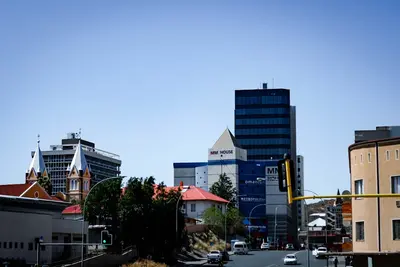
Because this site only publishes detailed cost data for Windhoek, the capital is both the cheapest and the most expensive destination we list for Namibia. That sounds contradictory, but it simply means there is no regional breakdown on our site: every figure applies to Windhoek. In reality, your daily spending in Namibia depends more on your travel style than on which city you visit. The country’s interior is mostly national parks and private reserves, and those places are not covered by our data. Budget travelers in Windhoek can keep to the $30/day average by staying in backpacker dormitories, cooking meals, and using minibus taxis. Mid-range travelers at $60/day get a private room, restaurant meals, and perhaps a day tour. Luxury travelers spending $300/day can afford the top-end lodges and full-board packages, which often include guided drives and all meals.
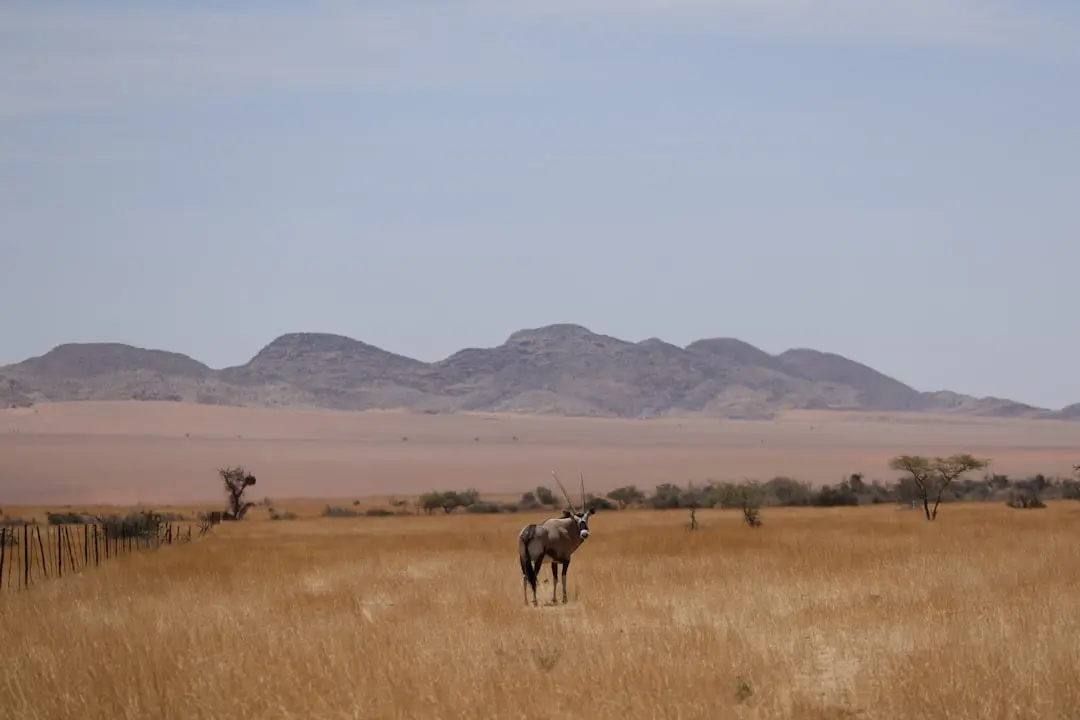
If you leave the capital, expect prices to rise, not fall. Remote desert camps and safari lodges charge premium rates because they must ship in supplies and power their own generators. For instance, a night in a high-end lodge in Sossusvlei or Etosha can easily exceed $300 per person. The same trip can be done on a budget by driving between campsites and self-catering, but that requires renting a 4x4 and carrying supplies. In short, on this site Windhoek stands in for the entire country, and the 30/60/300 daily figures are your baseline. Plan on spending more, not less, beyond the capital.
Best Time to Visit Namibia
Namibia’s climate is dry and sunny for most of the year, but there is a real wet season and a real dry season. The best weather is from May to October, when the skies are clear and temperatures are mild — though July and August nights can be cold in the desert. This is also the peak tourist season, and accommodation prices jump by 30% or more. The shoulder months of April and September offer a good compromise: you’ll have decent weather, fewer crowds, and rates closer to the baseline. From November to April, the country gets its rain, and the landscape turns brilliantly green. Wild animal sightings actually improve around January and February, but many remote roads become muddy or impassable, and some camps close.
The main price spike happens around the European summer holidays (July–August) and the year-end festive season (mid-December to mid-January). If you can travel in May, June, or September, you’ll avoid the biggest peaks. Also note that Namibia celebrates its Independence Day on March 21, and the Easter holiday brings a short domestic travel rush. For photographers, the quality of light in May and June is superb, with warm gold sunsets and clear horizons. If you’re on a strict budget, consider the green season (January–March): you’ll pay the lowest rates, but pack a rain jacket and be flexible with your driving plans.
Getting Around Namibia
Getting around Namibia almost always means driving. Windhoek is the hub, and most travelers pick up a rental car there. Daily rates for a small SUV start around $60–100, and fuel costs about $1 per liter. The road network is decent, but many park roads require a 4x4, especially after rain. If you’d rather not drive, long-distance buses connect Windhoek with coastal towns like Swakopmund; that 4-hour ride costs roughly $20. Domestic flights are available but expensive — a one-way ticket to the far north can exceed $150. Rail service is slow and geared toward freight, so it’s not practical for tourists.
For day trips from the capital, you can use shared shuttles or join an organized tour, which bundle transport, guide, and park fees. Visiting remote areas like the Kaokoveld or the Skeleton Coast is impractical without a self-drive 4x4 or a fly-in safari, both of which are costly. In Windhoek city, minibus taxis are cheap but confusing; ride-hailing apps operate only in the capital. Budget roughly $20–30 per day for public transport, or $80–120 per day for a rental car — the latter gives you the freedom to cover the country’s vast distances.
Visas, Money and Entry Rules for Namibia
Visitors from most Western countries (USA, UK, EU, Australia, Canada) do not need a visa for stays up to 90 days. Your passport must be valid for at least six months from arrival and have two blank pages. The currency is the Namibian dollar (NAD), pegged 1:1 to the South African rand; both are accepted everywhere. Credit cards are widely taken in city shops, hotels, and fuel stations, but small towns and rural lodges often only accept cash. ATMs are plentiful in Windhoek but scarce elsewhere, so withdraw a buffer of cash before heading into the wild. Many international ATMs charge a hefty foreign transaction fee, so it’s better to take out a large amount in one go.
Tipping is customary: 10% in restaurants if no service charge is added, and a couple dollars for porters or guides. When entering Namibia, you must declare cash above N$10,000. Some border posts are slow, so cross early. Finally, if your passport has an Israeli entry stamp, be aware that a few countries elsewhere in the world refuse entry; check this before planning onward travel. Keep a photocopy of your passport and visa pages as a precaution.