
Philippines Travel Costs in 2026
Asia5 destinations to explore. Daily costs average $29 with internet speeds around 41 Mbps and a safety rating of 7.0/10.
Palawan in August delivers lush green landscapes, lighter crowds, and lower hotel rates, plus local fiestas like the Pambato Festival in Roxas (Aug 15). From the kayak-dotted lagoons of El Nido to Coron's WWII shipwrecks and the spellbinding Underground River, this island province is a raw, majestic adventure. Go for backpacker paradise, slow nomad vibes, and understated eco-luxury.
Palawan in August delivers lush green landscapes, lighter crowds, and lower hotel rates, plus local fiestas like the Pambato Festival in Roxas (Aug 15). From the kayak-dotted lagoons of El Nido to Coron's WWII shipwrecks and the spellbinding Underground River, this island province is a raw, majestic adventure. Go for backpacker paradise, slow nomad vibes, and understated eco-luxury.
Philippines Travel Costs at a Glance
- Philippines currently has 5 indexed destination pages on this site.
- Average daily cost for backpacker travel is about $29, with an average score of 7.3/10.
- Top-rated city is Palawan and the most affordable option is Palawan.
- Average fixed internet speed is 41 Mbps and safety is 7.0/10 based on current dataset values.
Is Philippines Expensive?
Travelers often ask whether the Philippines is expensive — for most budgets the answer is a qualified no. The site's averages put a backpacker day at $29 (about $870 a month), a digital nomad at $68/day ($2,040/month), and a luxury traveler at $224/day ($6,720/month). That broad spread reflects the country's split personality: a weak peso keeps street food and local beers cheap (a full meal runs $2–$4, a dorm bed $8–$12), but the archipelago's geography demands flights between islands. Domestic airfares are steep relative to local wages — a Manila to Siargao hop often costs $90–$150 round trip, more than most Filipinos earn in a week. So you can live cheaply in one place, but hopping around eats into your budget.
Imported goods add another layer. Sunscreen, wine, and Western-brand snacks carry heavy taxes and cost close to US or Australian prices. Tourism infrastructure in Boracay, El Nido, and other hotspots has pushed accommodation prices well above the national average, and resorts often double rates in high season (December–February). Manila's traffic alone will steer you into ride-hailing, adding $5–$15 a day to your costs. The upshot: the Philippines is affordable compared to Europe or the US, but it's not a $15-a-day destination. Budget $30–$50 a day for a comfortable trip and accept that inter-island travel is your biggest fixed expense.
How Much Does It Cost to Travel in Philippines?
Travel costs inside the Philippines swing hugely by destination. The cheapest backpacker spot on this site is Palawan, where you can manage on $22 a day if you sleep in hostels, eat at market stalls, and take shared vans between El Nido and Puerto Princesa. The most expensive is Boracay at $40 a day backpacking — a small island with a resort economy, imported supplies, and mandatory environmental fees that inflate nearly everything. Cebu City sits mid-priced but earns a 7/10 for remote workers thanks to solid internet and coworking spaces.
As a rule of thumb, budget travelers should plan $25–$45 a day depending on island; mid-range travelers spending on private rooms, restaurant meals, and organized tours will need $60–$100; and those wanting comfort — beachfront resorts, air-conditioned transport, and dive trips — should set aside $150–$250 a day. Palawan's real cost advantage comes from its size: you can buy local produce and eat where locals do. Boracay is a finite island with everything shipped in, and resort owners pass that cost to you. Even within Palawan, El Nido feels pricier than Puerto Princesa. The lesson: your base island sets your baseline, and inter-island flights plus tours are what push a budget upward.
Best Time to Visit Philippines
The Philippines has two real seasons: the dry season from November to May and the wet season from June to October. High season runs roughly December through February, when northerners flee winter, and prices in Boracay, Palawan, and Siargao jump 30–50%. If you want sun and calm seas, this is the time, but you'll pay for it and need to book hostels and flights a month ahead. The genuine value window is the shoulder months of May and November. May brings dry weather to most islands before the rains start, while November has less reliable rain but still good conditions on the eastern side of the country. During these months you'll find accommodation at mid-season rates and fewer crowds.
Festivals move prices in specific places. Cebu's Sinulog in January, Kalibo's Ati-Atihan in the same month, and Boracay's own events can triple hotel prices for a few days. The wet season (June–September) is cheapest, but you risk typhoons — especially in northern Luzon and the eastern seaboard. Siargao, a surfing destination, actually sees its best swells from August to November, so it fills up despite the rain. If you're flexible, aim for late May or early November for the best balance of weather and price; just check the typhoon forecast before booking domestic flights.
Getting Around Philippines
Getting around the Philippines means flying between islands for most travelers. Domestic flights on Cebu Pacific, Philippine Airlines, and AirAsia typically cost $40–$90 one-way for routes like Manila–Cebu, Manila–Palawan, or Cebu–Siargao if booked a few weeks out. Budget fares can drop to $25 on sale, but last-minute tickets run $120–$150, and baggage fees add $15–$30 each leg. Ferries are cheaper but slower: the 2GO overnight ferry from Manila to Cebu costs $25–$40 for a bunk, and the fast craft from Cebu to Bohol is about $15. Manila to Boracay requires a flight to Kalibo or Caticlan, then a van and boat—allow half a day. Overland travel between major islands is impossible, so don't try busing across the archipelago.
Within islands, long-distance buses are the budget mainstay: Manila to Banaue or Bicol runs $10–$20 for a reclining seat. On small islands like Siargao and Boracay, transport is tricycles, motorbikes, or shuttle vans; a tricycle ride is $1–$3, while renting a motorbike for the day costs $6–$10. Boracay is largely walkable, with e-bikes and boats for longer jaunts. For a two-week trip, budget $200–$350 for inter-island transport alone—roughly a third of a backpacker's total. And remember: flights between Cebu, Palawan, and Siargao all route through Manila, so every connection eats a day.
Visas, Money and Entry Rules for Philippines
Most Western passport holders — including US, British, EU, Australian, and Canadian citizens — get a 30-day visa-free stay in the Philippines on arrival, extendable up to 36 months, though you'll need to visit an immigration office to extend beyond 30 days. Passports must be valid for at least six months and you must hold proof of onward travel; without it, the airline can deny boarding. The currency is the Philippine peso (PHP). Credit cards are accepted in major cities and tourist spots, but cash is still king at markets, tricycle stands, and island eateries. Keep at least $50 in small peso notes for daily use.
ATMs charge 200–250 PHP ($4–$5) per withdrawal, so take out larger amounts to offset fees. Tipping is common: round up fares or leave 10% at nicer restaurants. Exchange money at banks or authorized counters; avoid street changers. One trap: the international departure tax of around 850 PHP ($15) may be included in your airfare or collected at the airport depending on airline—check before you fly. Also, if you plan to dive, bring certification cards and consider insurance, as medical evacuation is costly.
All Destinations in Philippines
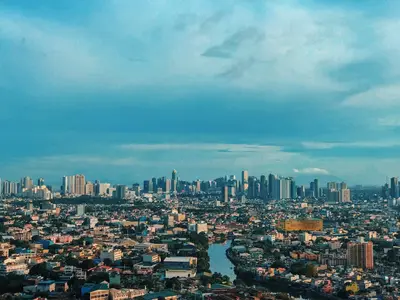 🇵🇭
🇵🇭Palawan
8.7 · ExcellentPalawan in August delivers lush green landscapes, lighter crowds, and lower hotel rates, plus local fiestas like the Pambato Festival in Roxas (Aug 15). From the kayak-dotted lagoons of El Nido to Coron's WWII shipwrecks and the spellbinding Underground River, this island province is a raw, majestic adventure. Go for backpacker paradise, slow nomad vibes, and understated eco-luxury.
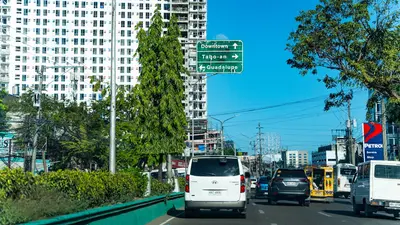 🇵🇭
🇵🇭Cebu City
7.5 · GreatCebu City is a vibrant gateway to the Visayas, offering cheap eats, lively culture, and quick access to islands and diving spots. August brings rainy-season swells, but the city remains a favorite for budget travelers and remote workers seeking low costs and warm hospitality. Watch for flash sales at local malls during the low season.
 🇵🇭
🇵🇭Siargao
7.0 · GreatSiargao is the Philippines' surfing paradise, drawing backpackers and nomads with its chill island vibe, turquoise lagoons, and world-class waves at Cloud 9. August marks the start of peak surf season, and the island buzzes with local fiestas and sunset parties. Budget-friendly hostels and guesthouses abound, while luxury seekers can splurge on exclusive beachfront resorts.
 🇵🇭
🇵🇭Boracay
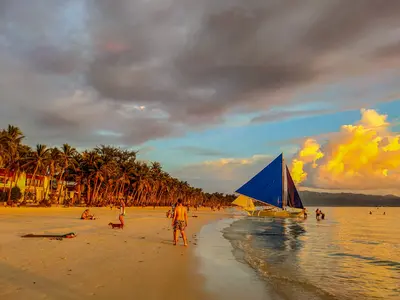
7.0 · GreatBoracay packs a pristine white-sand punch with electric nightlife, endless island-hopping, and fancy resorts. August brings monsoon rain bursts but fewer crowds and cheaper stays. No huge festival this month, but the island's summer vibe carries on rain or shine.
 🇵🇭
🇵🇭Manila
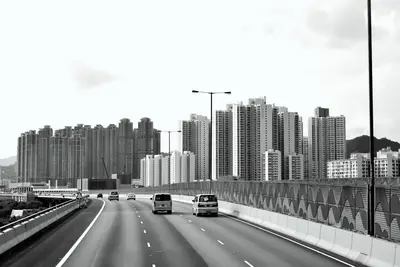
6.5 · GoodManila is Asia's rowdy, budget-friendly secret—hostels and a growing nomad scene meet five-star comforts. August means monsoon rains, but Buwan ng Wika festival and cheap flights to the islands keep it buzzing.