
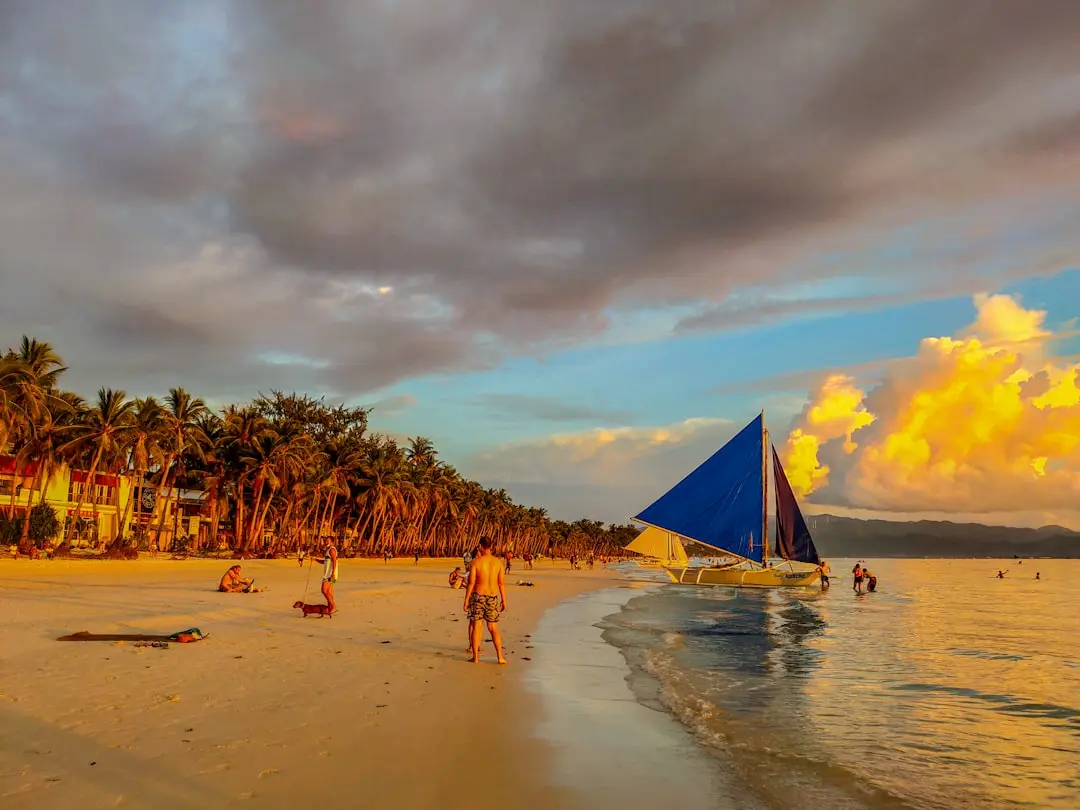
Boracay Travel Costs in 2026: Backpacker, Nomad & Luxury Budgets
Philippines · AsiaBoracay packs a pristine white-sand punch with electric nightlife, endless island-hopping, and fancy resorts. August brings monsoon rain bursts but fewer crowds and cheaper stays. No huge festival this month, but the island's summer vibe carries on rain or shine.
Is Boracay Expensive? The Short Answer
Boracay is mid-range. At $40 a day for backpacker travel it costs more than 51% of the 399 destinations we track.
- A short trip of 4 nights costs about $160, excluding flights.
- A week costs about $280; a month is about $1200.
- That works out at $40 a day for backpacker travel.
Living in Boracay: Backpacker Guide for 2026
Boracay may be tiny, but it punches big for backpackers looking for a beach party paradise. Even in August's rainy season, you'll catch plenty of sun between showers, and the vibe feels more like a long beach hug than a fancy resort island. This is the classic Filipino island for budget travelers: cheap rum, island-hopping, and sunsets that make everyone stop mid-conversation.
The backpacker scene gravitates to Station 3, where hostels like Mad Monkey Hostel Boracay and Central Boracay Hostel keep dorm beds around $15–20 a night. When you're hungry on a budget, hit D'Talipapa market for grilled seafood, order chicken inasal from street vendors, and always ask for the 'happy hour' bucket deals at beach bars. Free wins: hike Mount Luho at sunrise, swim at Puka Beach, and join the improvised beach volleyball games every afternoon.
For a cheap base, Station 3 is your friend – it's the quiet end of White Beach, still 10 minutes from the action. If you wake up wanting more solitude, the Bolabog side offers affordable guesthouses and windier shores perfect for learning to kiteboard for a few hundred pesos.
A solid daily budget lands between $35 and $45: $15–20 hostel, $10–12 food, $5–10 transport and activities. Top money-saving tricks: eat where locals eat, buy rum at sari-sari stores instead of bars, and book hostels with free breakfast. Boracay isn't the cheapest stop in the Philippines, but for white-sand living and a seriously laid-back traveler family, it's one hell of a bargain.
How Much Does Boracay Cost? Daily and Monthly Budget
| Travel style | Day | Week | Month |
|---|---|---|---|
🎒BackpackerHostels, street food, public transport | $40/day | $280/week | $1200/month |
💻Digital NomadPrivate room, cafes, coworking spaces | $95/day | $665/week | $2850/month |
✨LuxuryHotels, fine dining, private transfers | $250/day | $1750/week | $7500/month |
Internet Speed in Boracay for Remote Work
Where to Stay in Boracay: Best Neighborhoods
Station 1
$$The most exclusive and quietest part of White Beach, with the softest sand and five-star resorts. Perfect for couples and luxury travelers looking for sunset views and relaxation.
Station 2
$The pulsing heart of Boracay's nightlife, shopping, and restaurant scene. Great for travelers who want to be in the middle of the action, with easy access to bars, cafes, and clubs.
Station 3
$The laid-back, budget-friendly end of the beach with backpacker hostels, local eateries, and a slower pace. Perfect for budget travelers and those seeking a more authentic island vibe.
Bolabog
$On the windier eastern side of the island, known for kiteboarding and a quieter, more residential atmosphere. Ideal for longer stays, digital nomads, and water sports fans.
Weather in Boracay This Week
Pros and Cons of Living in Boracay
Pros
- +World-famous white sand and crystal-clear water
- +Lively beach party and nightlife scene
- +High-end resorts and spas for luxury stays
- +Cheap local food and happy-hour drink deals
- +Great for island hopping, snorkeling, and water sports
- +Friendly and hospitable locals
- +Stunning sunsets and photo-worthy spots
- +Wide range of accommodations from hostels to five-star
- +Easy access via Caticlan Airport and island boats
- +Growing community of digital nomads and remote workers
Cons
- -Crowded and touristy during peak season (Dec–May)
- -Monsoon rains can disrupt activities from June–October
- -Prices higher than mainland Philippine destinations
- -Internet can be unstable during storms
- -Some coastal erosion and environmental concerns
- -Nightlife can be overwhelming and party-heavy
- -Luxury dining options are limited compared to big cities
- -Tricycle haggling can be tiring
- -Beach parties/events are restricted after dark by local laws
- -Remote location means limited access to city services
Boracay FAQ: What Travelers Ask Most
Yes, Boracay is generally safe. Violent crime is rare, but petty theft and scams can happen around crowded areas. Keep an eye on your belongings, avoid unlit beaches at night, and steer clear of illegal drugs. The local tourism police are proactive, especially around White Beach.
The dry season from November to May is the best time, with sunny days and calm seas. June to October brings the monsoon with afternoon rain and chance of storms. August is low season, offering cheaper accommodation and fewer crowds, though you'll want a rain jacket.
Visitors from many countries (US, EU, UK, Australia, etc.) get 30 days visa-free on arrival in the Philippines. This can be extended once for 29 days at immigration offices. For stays longer than 59 days, apply for extensions or appropriate visas before traveling.
Internet speeds on Boracay are decent for island standards, with many cafés and guesthouses offering around 50 Mbps down and 30 Mbps up. However, during weather disturbances or peak hours, connectivity can drop. Coworking spaces and premium resorts typically have more reliable fiber connections.
Yes, Boracay is becoming a viable remote-work spot. There are a few coworking spaces and many beachfront cafés with decent wifi. The main challenges are occasional power cuts and typhoon risks. Long-term stays are feasible with monthly rentals and visa extensions.
Boracay has a vibrant backpacker community centered on Station 3. Hostels here are social, many with bars and organized activities like island hopping, beach parties, and group dinners. It's easy to meet travelers, especially during high season, though August sees a more laid-back crowd.
As a backpacker, expect $35–45 per day covering a hostel bed, local food, and public transport. A digital nomad spending on a studio apartment, coworking, and eating out should budget $90–110 daily. Luxury travelers staying in five-star resorts and fine dining will spend $250–400 per day.
Cities Near Boracay
The closest destinations across the border, with distance and daily cost
Best Places to Visit in Asia
Top-scoring destinations in the same part of the world.
Quick Facts
- Global Rank
- #108 of 399
- Rank in Philippines
- #4 of 5
- Region
- Asia
- Timezone
- Manila
- Weather
- 30°C · Light rain shower
- Backpacker
- $40/day
- Digital Nomad
- $95/day
- Luxury
- $250/day
- Monthly (backpacker)
- $1200
- Download
- 50 Mbps
- Upload
- 30 Mbps
Score by Travel Style
Do You Need a Visa for Boracay?
Many nationalities get 30 days visa-free on arrival in the Philippines, extendable for an additional 29 days. Longer extensions are available. Check with your local Philippine embassy for current requirements.
Is Boracay Safe?
Boracay is generally safe for tourists, with low violent crime. Be cautious with petty theft on crowded beaches, avoid buying drugs, and don't swim alone at night. The main hazards are motorbike accidents and occasional police checks.