
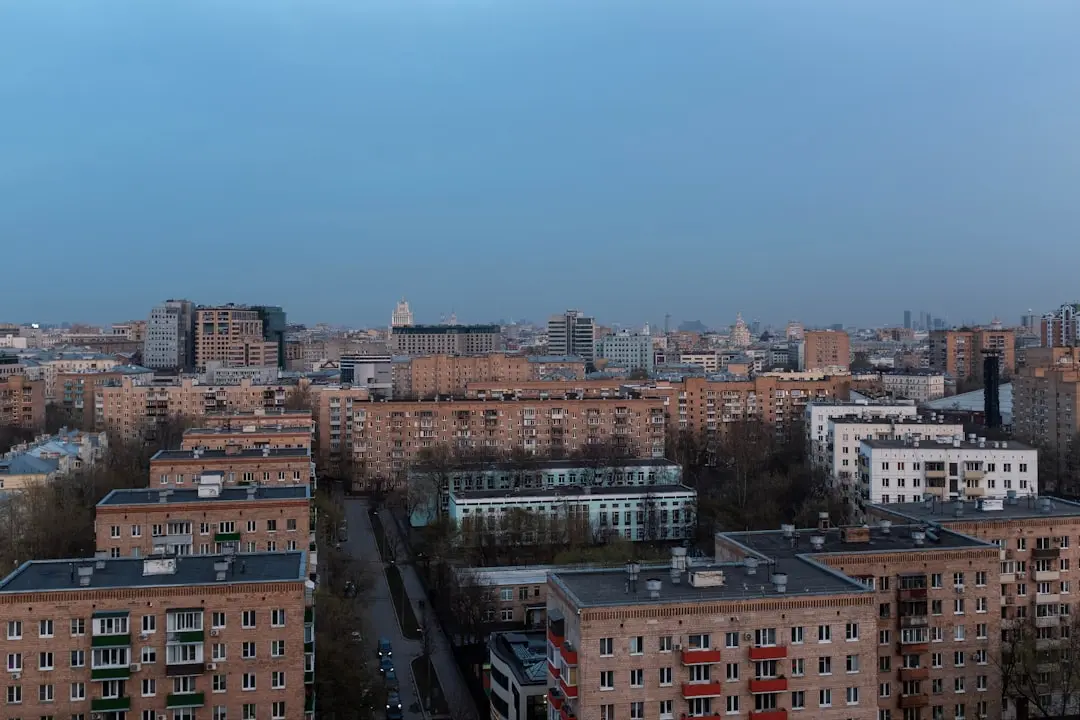
Moscow Travel Costs in 2026: Backpacker, Nomad & Luxury Budgets
Russia · EuropeMoscow in August mixes imperial grandeur with gritty summer nightlife. The Kremlin, Gorky Park, and the upcoming Moscow City Day festival (first weekend of September) create a lively backdrop. Excellent metro art, cheap street food, and fast internet — but visa bureaucracy and banking hurdles temper the nomad appeal.
Is Moscow Expensive? The Short Answer
No — Moscow is cheap. At $25 a day for backpacker travel it undercuts 83% of the 399 destinations we track.
- A short trip of 4 nights costs about $100, excluding flights.
- A week costs about $175; a month is about $750.
- That works out at $25 a day for backpacker travel.
Living in Moscow: Backpacker Guide for 2026
Backpacking Moscow in late August feels like stepping into a living museum, where golden onion domes and Stalinist skyscrapers tower over sprawling parks. Despite the geopolitical headlines, the city is full of locals enjoying warm summer evenings, riverside bars, and open-air concerts. With the Moscow City Day festival (День города) landing on the first weekend of September, there is a festive mood building — fireworks, street performances, and free concerts. If you plan ahead and keep an open mind, Moscow is one of Europe's most underrated budget adventures.
Sleep is surprisingly cheap in places such as Goda Zov Hostel near Kitay-Gorod or Kvartira Hostel on the Arbat, where dorms run $10-15 per night. Street food is a lifesaver: grab blini with condensed milk at Teremok for about $3, a shawarma from a kiosk for $4, or a full cafeteria lunch at Mu-Mu or a stolovaya for $8. Free highlights include riding Moscow's palatial metro stations (for the price of a $1 ticket), strolling Gorky Park, catching the sunset from Sparrow Hills, and watching the changing of the guard at the Kremlin. Most major museums have student discounts, and walking tours are tip-based.
Stay in Kitay-Gorod to wake up facing Red Square and St. Basil's, or on Chistye Prudy for a hip, bohemian vibe with quirky cafés and cheap shawarma places. Zamoskvorechye, across the Moskva River, feels like old merchant Moscow and has a handful of friendly hostels. Avoid the souvenir-menu restaurants on Arbat; instead, look for 'столовая' (canteens) inside universities, malls, and civic centres, where a full meal costs $5-7.
Your daily budget in Moscow breaks down to roughly $10 for a dorm bed, $12 for food, $2 for metro rides, and $3 for attractions — a total of about $25. Buy a Troika card for cheap fares, use free walking tours to get the lay of the land, and shop at Pyaterochka for snacks and water. With these hacks, you can experience imperial monuments, underground metro palaces, and summer festival energy without breaking the bank.
How Much Does Moscow Cost? Daily and Monthly Budget
| Travel style | Day | Week | Month |
|---|---|---|---|
🎒BackpackerHostels, street food, public transport | $25/day | $175/week | $750/month |
💻Digital NomadPrivate room, cafes, coworking spaces | $55/day | $385/week | $1650/month |
✨LuxuryHotels, fine dining, private transfers | $300/day | $2100/week | $9000/month |
Internet Speed in Moscow for Remote Work
Where to Stay in Moscow: Best Neighborhoods
Kitay-Gorod
$$The historic heart between Red Square and the Kremlin. Ultra-central, with museums, bars, and metro access; ideal for first-timers. It's pricey, but everything is walkable.
Patriarch Ponds
$$Elegant, leafy, and quiet, popular with artists and diplomats. Cafés and boutiques line the streets; great for luxury stays and peaceful evening strolls.
Chistye Prudy
$A hip, bohemian neighborhood with vintage shops, craft beer bars, and cheap eateries. Loved by students and backpackers; easy metro links to the center.
Zamoskvorechye
$Across the Moskva River, this historic district feels like old Moscow with churches, quiet lanes, and a mix of budget hostels and upscale galleries.
Weather in Moscow This Week
Pros and Cons of Living in Moscow
Pros
- +World-class metro system and iconic landmarks (Kremlin, Red Square, St. Basil's)
- +Affordable for budget travelers vs Western Europe
- +Superb high-speed internet infrastructure
- +Safe for tourists in central areas
- +Vibrant nightlife, restaurants, and hipster cafés
- +Cheap and efficient public transportation
- +Fascinating history and cultural depth (museums, theaters)
- +Unique experiences: Banya, metro palaces, Soviet history
- +Summer festivals and events (City Day, street concerts)
- +Large park spaces like Gorky Park
Cons
- -Difficult visa process and registration rules
- -Western payment cards don't work due to sanctions; cash/banking hurdles
- -Language barrier outside main tourist areas
- -Cold, dark winters
- -Political tensions and travel advisories from Western governments
- -Limited digital nomad community and meeting scene
- -Petty theft and scams near tourist spots
- -Airport/immigration bureaucracy can be slow
- -Some outer districts feel unwelcoming
- -Luxury options diminished by exodus of Western brands
Moscow FAQ: What Travelers Ask Most
Moscow is generally safe for tourists in central areas, with a visible police presence. Pickpocketing happens in crowded metro stations and near Red Square, so keep valuables hidden. Always carry a passport copy, avoid political conversations, and use common street sense; late at night, stick to well-lit central streets.
May and June offer the longest days and cherry blossom, while August and early September are warm and festival-heavy — including Moscow City Day at the start of September. December and January are snowy and magical but freezing and darker. For mild weather, aim for late spring, or early autumn.
Most tourists need a Russian visa. Many nationalities (including EU, UK, US) can get a 30-day e-visa by applying at least 4 days in advance. If staying longer, you'll need a standard tourist visa and an invitation. You must register your stay within 7 working days of arrival — ask your hotel or landlord to arrange it.
Moscow has excellent fiber infrastructure; average download speeds exceed 80 Mbps and upload is strong. Most cafés and even some metro stations offer free Wi-Fi. Coworking spaces are reliable, and a VPN is recommended for accessing international services.
Technically yes, but it's tricky. The internet is fast, costs are lower than Western Europe, and there are good coworking spaces. However, sanctions mean Western payment cards don't work, you need a Russian bank account or cash, and the visa process limits long-term stays for many nationalities. It's a niche but rewarding option.
Backpacking infrastructure exists but is more modest than in Southeast Asia or Western Europe. There are friendly hostels in Kitay-Gorod and Zamoskvorechye, cheap street food, and a few walking tours. You'll meet fewer backpackers, but that can make for deeper cultural immersion.
Backpackers can visit for around $25-30 per day (dorm, street food, metro). Digital nomads should budget $55-70 per day for an apartment, coworking, and meals. Luxury travelers will spend $300-500 per day on five-star hotels and fine dining. August prices are moderate, with a bump for public events.
Cities Near Moscow
The closest destinations across the border, with distance and daily cost
Best Places to Visit in Europe
Top-scoring destinations in the same part of the world.
Quick Facts
- Global Rank
- #203 of 399
- Rank in Russia
- #4 of 12
- Region
- Europe
- Timezone
- Moscow
- Weather
- 7°C · Sunny
- Backpacker
- $25/day
- Digital Nomad
- $55/day
- Luxury
- $300/day
- Monthly (backpacker)
- $750
- Download
- 80 Mbps
- Upload
- 50 Mbps
Score by Travel Style
Do You Need a Visa for Moscow?
Most tourists need a Russian visa. Many nationalities (EU, UK, US) qualify for a 30-day e-visa applied at least 4 days ahead. Register your stay within 7 working days of arrival. Sanctions may affect entry; check current rules.
Is Moscow Safe?
Generally safe in central districts; watch for pickpockets near Red Square and metro stations. Carry a passport copy — police checks are routine. Avoid political discussions and late-night walks in outer areas.