Zimbabwe Travel Costs in 2026
Africa1 destination to explore. Daily costs average $35 with internet speeds around 15 Mbps and a safety rating of 6.0/10.
Zimbabwe Travel Costs at a Glance
- Zimbabwe currently has 1 indexed destination pages on this site.
- Average daily cost for backpacker travel is about $35, with an average score of 6.0/10.
- Top-rated city is Victoria Falls and the most affordable option is Victoria Falls.
- Average fixed internet speed is 15 Mbps and safety is 6.0/10 based on current dataset values.
Is Zimbabwe Expensive?
Is Zimbabwe expensive? For a visitor, yes, but not as much as you might fear. This site's published numbers put a backpacker day at $35, a digital nomad day at $70, and a luxury day at $350, all anchored in Victoria Falls. That makes it pricier than neighboring Zambia or Malawi because almost everything a traveler touches, including imported drinks, fuel for game drives, and fresh produce out of season, has to cover long logistics chains and is priced in US dollars.
The cost structure is fixed by small economies of scale: Victoria Falls is a one-industry town with a short high season, so hotels and tour operators must charge enough to keep the lights on for the off months. You can keep a budget trip around $35 a day by using dorms and self-catering, but the average visitor lands closer to $70 once tours and transport are included. The good news is that after what you spent flying here, the daily pace inside Zimbabwe is less punishing than in many African capitals.
How Much Does It Cost to Travel in Zimbabwe?
Because this site only covers Victoria Falls for Zimbabwe, the cheapest and most expensive destinations on this page are the same town. The $35 backpacker average and the $350 luxury average both describe the same street, so the real cost spread is in how you experience the falls. A dorm bed goes for $12–20, a filling local meal for $5–10, and a three-day car hire from the airport for about $150. The falls entrance fee itself is a flat $50 for most foreign visitors, which eats a big chunk of a budget day.
A budget traveler can hold the line at $35–45/day by sleeping in a backpacker lodge, cooking some meals, and picking just one high-priced activity. A mid-range traveler spending $70–120/day gets a private room, a guided sunset cruise, and a seat on the train to the bridge. For comfort, expect to pay from $200/day upward, which buys a river-facing lodge, a scenic flight, and full-day excursions. The gap between these tiers is wide, but it is not geographic; it is all within a few kilometers of the falls.
Best Time to Visit Zimbabwe
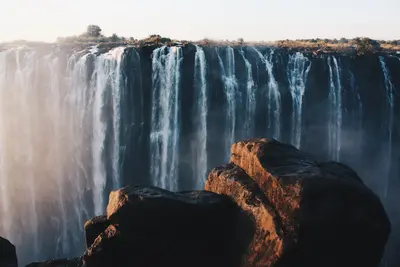
Victoria Falls has two distinct tourism seasons. The dry winter from May to September brings clear skies and the best game-viewing, but also the highest lodge rates, especially in July and August. December and January are also busy because the Zambezi is full and the falls are a wall of white spray, though the weather is hot and humid with daily thunderstorms. For the best value, travel in May or October: May still has impressive water flow, October is dry and sunny, and both months see rates around 20–30% lower than peak season.
The wet season from November to April is the cheapest time to visit, but expect sticky heat and roads that can turn rough near the river. Backpacker prices drop to near $30/day, and some lodges close entirely, so you have fewer choices. White-water rafting on the Zambezi runs best from August to December, while the 'smoke that thunders' view is most dramatic in April and May. If your trip overlaps with the Victoria Falls Carnival in April, or the Christmas–New Year holiday, book accommodation well in advance because prices spike sharply for a few days.
Getting Around Zimbabwe
The biggest transport cost to Victoria Falls is getting there. Most internationals fly into Victoria Falls International Airport on a direct connection from Johannesburg, about 1 hour 40 minutes, with return fares typically $150–300. From Harare, a domestic flight takes just over an hour and costs roughly $100–150 one-way. If you cross from Zambia, you can walk or drive over the Victoria Falls Bridge; the border post is straightforward, and the town center is a 10-minute walk from the bridge.
Within town, almost every lodge and hotel is within walking distance of the falls, so you rarely need a car. Airport transfers are often included or cost $10–15. A rental car is $50–80 per day, but it is only useful if you plan a side trip to Hwange or the Zambezi National Park. There is no practical rail service for tourists, and a bus from Harare takes 12–14 hours on a rough route, so flying is the only sensible way to connect. If you are combining with Victoria Falls on a multi-country trip, the usual loop is Jo'burg → Vic Falls → Botswana or Zambia, all connected by short flights or good overland transfers.
Visas, Money and Entry Rules for Zimbabwe
Most nationalities get a single-entry tourist visa on arrival in Zimbabwe, typically costing $30–45 and valid for 30 days. You can also apply online for an e-visa to save time. Your passport must be valid for at least six months, and you may be asked for a return ticket or proof of funds. The US dollar is the de facto tourist currency: bring clean, recent notes in small denominations because traders often refuse torn bills or large notes and may not be able to break a $100.
Cards are accepted at top-end hotels, safari lodges, and tour agencies, but many small businesses and the local market are cash-only. ATMs are limited and frequently out of cash, and they may charge a high foreign exchange fee, so withdraw money before you arrive or use your card at a bank counter. Tipping is customary: 10% in restaurants, $1–2 per bag for porters, and $5–10 per day for guides. Avoid informal money changers around the border, who offer poor rates or counterfeit notes; use authorized exchange counters or banks.