
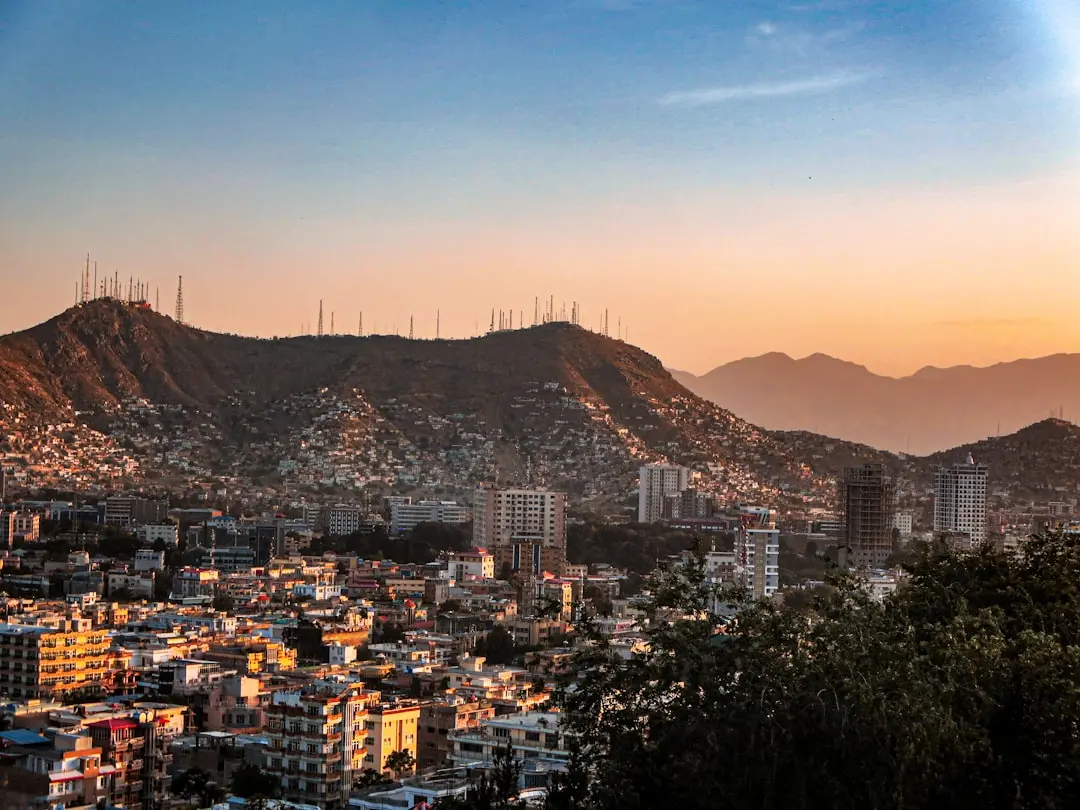
Kabul Travel Costs in 2026: Backpacker, Nomad & Luxury Budgets
Afghanistan · AsiaKabul is an extreme, high-risk destination with rock-bottom costs and a unique cultural depth. Backpackers, nomads, and luxury travelers all face serious security and infrastructure hurdles, while Independence Day on August 19 brings a rare moment of national pride.
Is Kabul Expensive? The Short Answer
Kabul is mid-range. At $40 a day for backpacker travel it costs more than 51% of the 399 destinations we track.
- A short trip of 4 nights costs about $160, excluding flights.
- A week costs about $280; a month is about $1200.
- That works out at $40 a day for backpacker travel.
Living in Kabul: Backpacker Guide for 2026
Kabul is the ultimate off-the-beaten-path destination, but only for the most risk-tolerant budget travelers. With a daily budget of around $40, you can experience a culture that few Western visitors ever see — but you must be prepared for severe challenges. Right now, the city is gearing up for Afghan Independence Day on August 19, a rare moment of national pride and celebration, though security remains extremely fragile. This is not a destination for the faint-hearted; it’s a test of resilience, adaptability, and respect for a profoundly different way of life.
There is no hostel culture in Kabul; instead, you’ll stay in simple guesthouses scattered around the city, with beds costing $15–25 a night. The most popular areas for guesthouses are near Chicken Street and in the Shahr-e Naw district. Meals can be incredibly cheap: a plate of kebab with naan, a bowl of ashak (Afghan dumplings), or a simple qabuli palao will set you back only $2–4. For free activities, you can wander through the maze-like alleys of the old city, visit the serene Gardens of Babur, or try to catch a glimpse of buzkashi practice outside town. But always travel with a trusted local guide, and never venture far from secure, populated areas.
When choosing where to stay, Shahr-e Naw offers the best balance of price and practicality, with easy access to markets and guesthouses. The diplomatic quarter of Wazir Akbar Khan is pricier but significantly more secure — many budget travelers splurge there for safety, even if it breaks the usual backpacker mold. Shar-e Kuna, the old city, is historically fascinating but extremely risky; avoid staying there unless you’re with an experienced fixer.
A realistic daily breakdown for a cautious backpacker is: accommodation $25, food $8, transport $5, and security/logistics $2. You can reduce costs by traveling in a small group, using shared taxis, and negotiating multi-day guide packages. Bottom line: Kabul is not a typical Southeast Asian backpacker hub. It’s a serious, high-stakes adventure for experienced, risk-aware travelers only — cheap, yes, but you truly get what you pay for.
How Much Does Kabul Cost? Daily and Monthly Budget
| Travel style | Day | Week | Month |
|---|---|---|---|
🎒BackpackerHostels, street food, public transport | $40/day | $280/week | $1200/month |
💻Digital NomadPrivate room, cafes, coworking spaces | $60/day | $420/week | $1800/month |
✨LuxuryHotels, fine dining, private transfers | $300/day | $2100/week | $9000/month |
Internet Speed in Kabul for Remote Work
Where to Stay in Kabul: Best Neighborhoods
Wazir Akbar Khan
$$The diplomatic heart of Kabul, home to embassies, NGOs, and heavily fortified compounds. This is the safest and most upscale area, but prices are high and movement is restricted. Suitable for high-end travelers and aid workers.
Shahr-e Naw
$The bustling commercial center with bazaars, guesthouses, old hotels, and some cafes. It’s the most practical area for budget travelers and long stays, but security is still a concern. Expect crowded streets and lots of traffic.
Shar-e Kuna (Old City)
$An ancient maze of historic homes, mosques, and traditional bazaars, including the famous Mandawi market. It’s visually fascinating but extremely high-risk due to crime and political violence. Only visit with a trusted guide.
Weather in Kabul This Week
Pros and Cons of Living in Kabul
Pros
- +Extremely low living costs
- +Unique historical sites like Babur's Gardens and Darul Aman Palace
- +Rich and distinctive local cuisine
- +Warm hospitality from locals
- +Off-the-beaten-path adventure
- +Beautiful surrounding mountains
- +Lesser-known archaeological treasures
- +Culture untouched by mass tourism
- +National Independence Day celebrations on August 19
- +Quiet streets compared to other Asian capitals (if stable)
Cons
- -Extreme safety risks including terrorism and kidnapping
- -Poor internet connectivity and frequent outages
- -Heavy security restrictions and curfews
- -Little to no nightlife or entertainment
- -Overwhelming poverty and crumbling infrastructure
- -Limited medical facilities and no emergency care
- -Severe travel warnings from all governments
- -Visa difficulties and border restrictions
- -Frequent power cuts and water shortages
- -Not suitable for first-time or casual travelers
Kabul FAQ: What Travelers Ask Most
Absolutely not. Kabul is extremely dangerous for tourists due to ongoing armed conflict, terrorism, and kidnapping risks. Most governments advise against all travel to Afghanistan. Even staying in a ‘secure’ hotel does not guarantee safety, and movement is heavily restricted.
The best time is generally spring (April to May) and early autumn (September to October) when weather is moderate. Summer can be hot, and winter is cold and potentially snowy. However, security risks dominate any seasonal consideration, and there is no truly safe time to visit.
Yes. Most travelers need to obtain a visa in advance from an Afghan embassy or consulate. Visa on arrival is not generally available. Additionally, you will likely need a letter of invitation from an Afghan host or organization. The process is difficult and subject to approval.
Internet speed in Kabul is very poor and unreliable, typically below 5 Mbps for downloads. Frequent blackouts and government restrictions further hamper connectivity. Some hotels and guesthouses have Wi-Fi, but it’s not suitable for demanding remote work.
Effectively no. The internet is too unreliable, there are no coworking spaces, and the security situation makes daily life extremely difficult. A few NGOs or journalists arrange dedicated satellite connections, but for digital nomads, Kabul is completely impractical.
There is essentially no backpacker scene in Kabul. You won’t find hostels, social lounges, or group tours. A few independent travelers attempt it, but they rely on guesthouses and guides. The risks far outweigh the benefits for typical backpackers.
On paper, costs are very low: a backpacker might spend $40 per day, a nomad $60, and a luxury traveler $300. But these figures assume secure accommodation and constant safety measures. Real costs include security fees, visa logistics, and emergency plans, so actual expenses are much higher.
Cities Near Kabul
The closest destinations across the border, with distance and daily cost
Best Places to Visit in Asia
Top-scoring destinations in the same part of the world.
Quick Facts
- Global Rank
- #394 of 399
- Region
- Asia
- Timezone
- Kabul
- Weather
- 25°C · Sunny
- Backpacker
- $40/day
- Digital Nomad
- $60/day
- Luxury
- $300/day
- Monthly (backpacker)
- $1200
- Download
- 5 Mbps
- Upload
- 2 Mbps
Score by Travel Style
Do You Need a Visa for Kabul?
Most nationalities require a visa obtained in advance from an Afghan embassy. There is no visa on arrival for most passports, and entry is often denied without a local host or sponsor. Expect intense security checks and possible restrictions.
Is Kabul Safe?
Extremely dangerous. Do not travel. Kidnapping, terrorism, and armed conflict are serious risks. No area is fully safe.