Armenia Travel Costs at a Glance
- Armenia currently has 1 indexed destination pages on this site.
- Average daily cost for backpacker travel is about $20, with an average score of 7.5/10.
- Top-rated city is Yerevan and the most affordable option is Yerevan.
- Average fixed internet speed is 40 Mbps and safety is 7.0/10 based on current dataset values.
Is Armenia Expensive?
Armenia is one of the cheaper countries in the Caucasus, and the cost figures on this site reflect that. The average backpacker spends $20 per day, or $600 per month; a digital nomad typically spends $60 per day, or $1,800 per month; and a traveller wanting comfort will spend $150 per day, or $4,500 per month. Those totals are low by European standards, but they are not rock-bottom because Armenia imports a large share of its fuel, packaged food, and consumer goods, and because the national currency, the dram, has been broadly stable rather than devalued.
The main reason $20 works is the domestic price level. A filling street-food meal costs $3–5, a marshrutka ride inside Yerevan costs $0.30, and a hostel bed is around $8–12. At the other end, a $150 daily budget buys a four-star hotel room, restaurant meals, and a private driver. The spread between those extremes is wider than you might expect for a country this size, because the import premium hits everything from wine to fuel for any vehicle you rent.
How Much Does It Cost to Travel in Armenia?
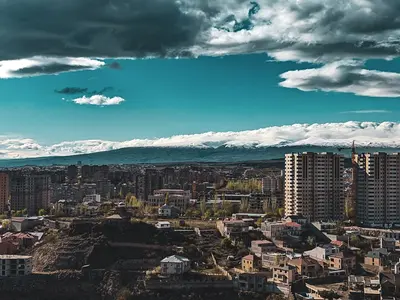
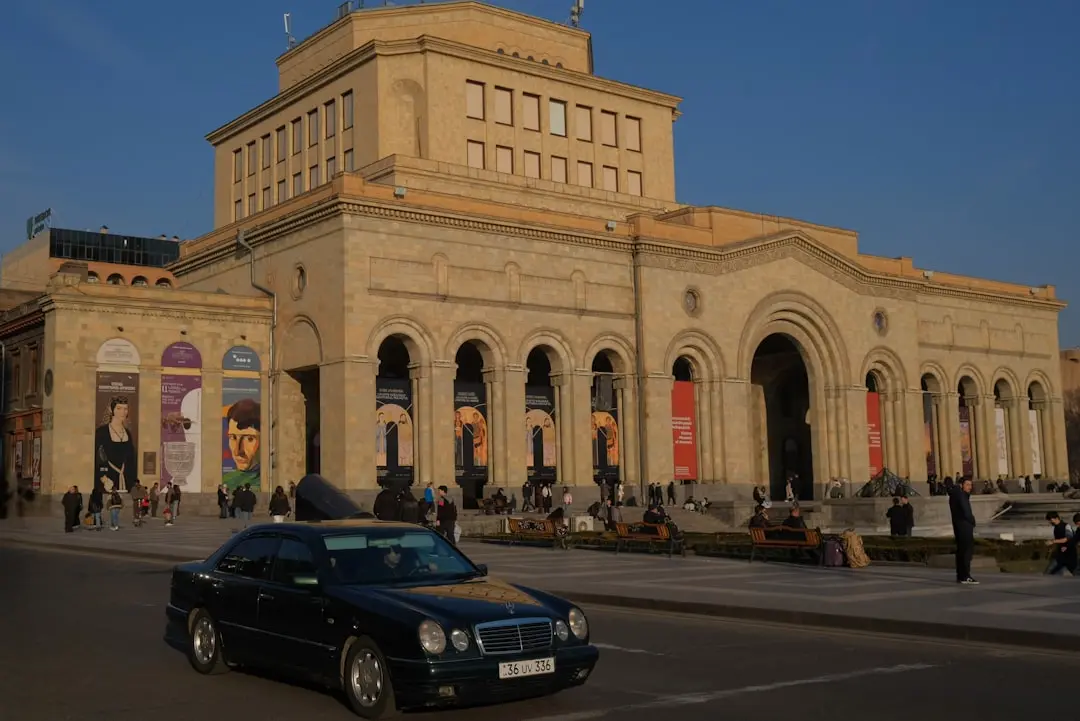
Armenia's published cost data covers a single destination, Yerevan, which is both the cheapest and the most expensive place in the country at $20 per day for backpackers. That sounds contradictory until you remember that the figure is a floor, not a ceiling: you can spend $20 by staying in a hostel, eating at street stands, and taking marshrutkas, and you can also spend far more in the same city without leaving the centre. The real price gap inside Armenia is between Yerevan and the regions, but this site only tracks Yerevan, so the practical variance is neighbourhood to neighbourhood.
For a budget traveller, a realistic daily range is $15–25, covering a dorm bed, market food, and public transport. A mid-range traveller should plan on $45–70 per day for a private guesthouse room, café meals, and the occasional taxi. If you want comfort—a four-star hotel, sit-down restaurants, and a car with a driver—budget $100–150 per day. The driver costs are what push comfort spending up, because petrol is imported and wages for private drivers are still low by Western standards.
Best Time to Visit Armenia
The best value window in Armenia is the shoulder season, roughly late April through mid-June and mid-September through mid-October. Summer, July and August, is hot and festival-heavy, which pushes accommodation prices on weekends; Vardavar in July fills rooms in Yerevan and every lake resort. Winter, December through February, is quieter and cheaper except for New Year's week, when Armenians travel home and hotels in the centre book out days ahead. Mountain areas like Dilijan and Lake Sevan also see an autumn spike for weekenders, so a midweek stay shifts the price noticeably.
In spring and autumn, daytime temperatures range from 15–25°C, ideal for walking, and the almonds and apricots are in season, which keeps food costs down. If you want to lock in the lowest rates, go in November after the leaves drop; you get clear days and quiet museums, and a hostel bed can be had for as little as $8. The trade-off is that some mountain roads close with the first snow, but within Yerevan itself nothing shuts down.
Getting Around Armenia
Yerevan is the only destination published on this site, so 'getting around' mostly means arriving at Zvartnots International Airport and then navigating a compact city. A taxi from the airport to the centre costs about $10–15 and takes 20 minutes; a marshrutka or public bus is $1 if you want to save. Inside Yerevan, the Metro runs from the south to the north-east for $0.30, and shared marshrutkas weave through every district for the same price. Renting a car starts around $35 per day, but parking in the centre is stressful and fuel is imported, so you'll generally pay more per kilometre than in Western Europe.
For longer moves outside the city, a marshrutka to Gyumri takes about 2.5 hours and costs $5, while a train runs the same route in 3 hours for a similar price. To reach Lake Sevan, a marshrutka is around $4 and takes an hour. There are no domestic flights worth considering for a country this small, and the rail network is limited to a few routes. If you plan to cross into Georgia, the overnight train from Yerevan to Tbilisi costs about $30 in a sleeper and takes 11 hours, but that is a border run, not a domestic hop.
Visas, Money and Entry Rules for Armenia
Most Western passports, including US, UK, EU, Australian, and Canadian, enter Armenia visa-free for 180 days per year. If you need a visa, you can apply online for an e-visa and it typically costs $12–50 depending on duration. The important entry rule is that your passport must be valid for at least six months beyond arrival, and you should keep a printed copy of your hotel booking ready, because border officers sometimes ask. Armenia shares a tense border with Azerbaijan and no land crossings are open; the only road routes in are through Georgia and Iran, and overland crossings from Turkey are closed.
The currency is the Armenian dram (AMD); as of mid-2026, the exchange rate is roughly 390 AMD to the US dollar. Cards are accepted widely in Yerevan, including cafés, shops, and hotels, but you will need cash for markets, street stalls, and some guesthouses. ATMs are plentiful, but many charge a fixed fee of around 4,000–5,000 AMD ($10–13), so withdraw larger amounts in one go. Tipping is not mandatory, but a 10% tip at sit-down restaurants is customary and rounding up for taxi drivers is common.