
Bay of Fundy Travel Costs in 2026: Backpacker, Nomad & Luxury Budgets
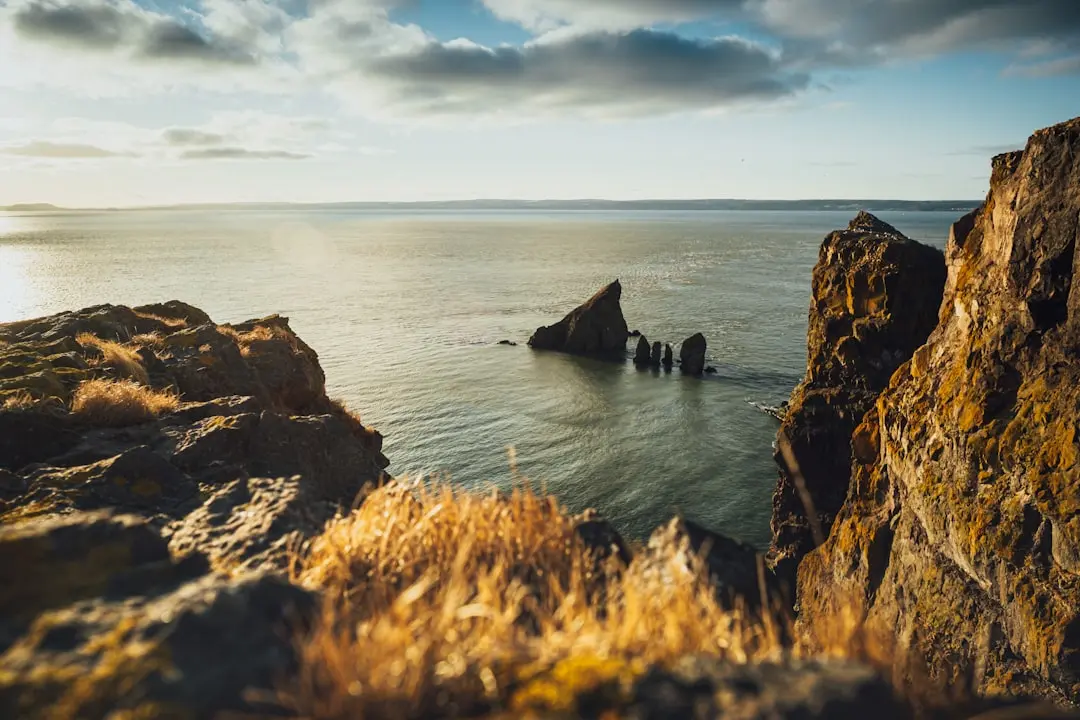
Canada · North AmericaWitness the world's highest tides in a landscape of sea cliffs and tidal flats. August brings peak whale-watching and the St. Andrews Lobster Festival, plus summer nights alive with local music and fresh seafood. Camp in Fundy National Park or lodge in a grand inn—either way, the bay's raw beauty defines your day.
Is Bay of Fundy Expensive? The Short Answer
Bay of Fundy is mid-range. At $38 a day for backpacker travel it costs more than 50% of the 399 destinations we track.
- A short trip of 4 nights costs about $152, excluding flights.
- A week costs about $266; a month is about $1140.
- That works out at $38 a day for backpacker travel.
Living in Bay of Fundy: Backpacker Guide for 2026
Welcome to the Bay of Fundy, where two great Atlantic tides meet in a dramatic push that sculpts rocks, reveals ancient fossils, and fuels one of Earth's most spectacular natural shows. For the budget traveler, this is a raw, waterlogged wilderness that rewards you without emptying your wallet. The vibe here is friendly and unhurried: in August, campsites buzz with adventure-seekers, local lobster boils are surprisingly affordable, and the trails are lined with wild alder and goldenrod. You don't need a city budget—just sturdy shoes, an adventurous spirit, and a love for salty air.
The cheapest stays are in the tiny villages of Alma and St. Martins, where basic coastal campsites run $15–20 per night and simple motels go for $40–50. Fundy National Park offers your best bang for the buck: a wilderness pass covers hiking, swimming, and unbeatable tidal viewing at Hopewell Rocks. Street food can be elusive, but you'll find affordable lobster rolls, fresh-churned ice cream, and coffee from local roasters. The free stuff is unbeatable: watch the tide rise 16 meters at Burntcoat Head, hike the Fundy Trail Parkway, and join a beach bonfire as the sun slips below the horizon.
Stick to the east side of the bay for budget vibes—Alma is a no-frills fishing village with a few hostels and a welcoming pub, while St. Martins is a postcard-perfect town with a social hostel scene and easy access to the trail. For true solitude, camp along the more remote western shore near Digby, where you can pick up affordable roadside lobster from the wharf. Avoid the overpriced souvenir shops and instead pack groceries from the local co-op.
Your daily breakdown: $15–25 for camping or hostel, $12–18 for groceries and seafood snacks, $5 for local bus or carpool, and $3 for a shower token if you're roughing it. Total: $35–48. Save cash by cooking over a fire, using regional parks' free passes, and filling your water bottle from the many stream crossings. This is not a place for party backpackers; it's for those who find their deepest comfort in the crash of waves and the silence of a fog-drenched forest.
How Much Does Bay of Fundy Cost? Daily and Monthly Budget
| Travel style | Day | Week | Month |
|---|---|---|---|
🎒BackpackerHostels, street food, public transport | $38/day | $266/week | $1140/month |
💻Digital NomadPrivate room, cafes, coworking spaces | $85/day | $595/week | $2550/month |
✨LuxuryHotels, fine dining, private transfers | $220/day | $1540/week | $6600/month |
Internet Speed in Bay of Fundy for Remote Work
Where to Stay in Bay of Fundy: Best Neighborhoods
St. Andrews
$$The most polished and upscale town on the bay, with boutique inns, historic winding streets, and excellent fine dining. Pricey but walkable and safe; ideal for luxury stays and cyclists.
Alma
$A tiny working fishing village at the entrance to Fundy National Park. Budget-friendly with campgrounds, a bakery, and a lively pub. Best for backpackers and nature lovers looking to hike.
St. Martins
$Scenic coastal community with sea caves, covered bridges, and a relaxed vibe. Moderate prices for rentals and a few small inns. You'll find a social hostel and a great community feel.
Digby
$Known for scallops and views of the bay. More functional than scenic, with working-class ports and a mix of budget motels. Easy access to ferries to Maine, and a good base for exploring Nova Scotia's shore.
Weather in Bay of Fundy This Week
Pros and Cons of Living in Bay of Fundy
Pros
- +Mind-blowing natural phenomenon - highest tides on Earth
- +Excellent whale watching (finbacks, humpbacks, right whales)
- +Very safe region with low crime
- +Diverse hiking trails with no crowds compared to backpacker hotspots
- +Fresh seafood is cheaper than inland Canada
- +Unique cultural heritage of fishing villages
- +Tide-dependent adventures every day
- +Great for camping (cheap) or luxury inns (exclusive)
- +Friendly locals and a relaxed pace of life
- +August weather is perfect for outdoor activities
Cons
- -Remote location - no major airports, long drive from Halifax
- -Limited public transportation; a car is almost essential
- -Harsh winters if you stay past September
- -Internet is spotty in rural coves, hindering heavy remote work
- -Restaurants and food prices are high compared to local salaries
- -Many shops and services close early in small towns
- -Tides can be dangerous if you ignore warnings
- -Water is cold even in summer
- -Limited nightlife and social scene for solo travelers
- -Might be too quiet for those who need city buzz
Bay of Fundy FAQ: What Travelers Ask Most
Absolutely, the region is very safe with low crime. The main hazards are natural: rapid tidal currents, slippery rocks, and sudden fog. Always check tide tables, stay off mudflats near high tide, and wear proper footwear on trails. No urban areas require special caution.
From late July to early September is ideal, with August offering warmth and the longest days. This is also the peak whale-watching season, and most festivals happen. May–June is good for wildflowers and lower prices, but many attractions open only in summer. Winter is harsh and isolating.
As part of Canada, the visa rules apply: citizens of the US and most European countries need an eTA (electronic travel authorization) or simply a visitor visa exemption. Most stay up to 6 months. Check the Government of Canada website for your nationality.
In towns like St. Andrews and St. John, speeds can reach 50–100 Mbps, but in small villages you may get only 10–20 Mbps. Cell coverage is decent in settlements, non-existent in the backcountry. For digital nomads, the public libraries and some inns offer reliable connections.
You can, but with caveats. The lack of robust internet in remote coves makes it challenging for calls, but if you base yourself in St. Andrews or St. John, you'll have sufficient connectivity. You'll also enjoy a peaceful work-life balance, but be prepared for limited café culture and long distances.
It's more low-key than Southeast Asia. You'll find a handful of hostels, like the Fundy Sands in St. Martins, and many free campgrounds. The vibe is sociable around campfires, and you'll meet fellow outdoor enthusiasts rather than party crowds. Easy to make friends if you're an active traveler.
Backpackers can do $35–50 per day with camping and groceries. Nomads need around $85–120 per day for apartment rental and coworking. Luxury travelers should budget $200–300 per day for upscale resorts and fine dining. Costs are higher than in developing nations, but unique experiences compensate.
Cities Near Bay of Fundy
The closest destinations across the border, with distance and daily cost
Best Places to Visit in North America
Top-scoring destinations in the same part of the world.
Quick Facts
- Global Rank
- #234 of 399
- Rank in Canada
- #11 of 45
- Region
- North America
- Timezone
- Toronto
- Weather
- 7.3°C · Clear
- Backpacker
- $38/day
- Digital Nomad
- $85/day
- Luxury
- $220/day
- Monthly (backpacker)
- $1140
- Download
- 25 Mbps
- Upload
- 10 Mbps
Score by Travel Style
Do You Need a Visa for Bay of Fundy?
Most tourists (US, EU, UK, Australia, etc.) get a visitor visa exemption and can stay up to 6 months in Canada. No visa required for citizens of over 50 countries. For longer stays, apply for an eTA or work permit depending on nationality.
Is Bay of Fundy Safe?
Very safe for all travelers. Main dangers are nature-related: strong tidal currents, slippery rocks, and fog. No urban crime concerns, but always check tide times and avoid climbing cliffs at night.