
Muscat Travel Costs in 2026: Backpacker, Nomad & Luxury Budgets
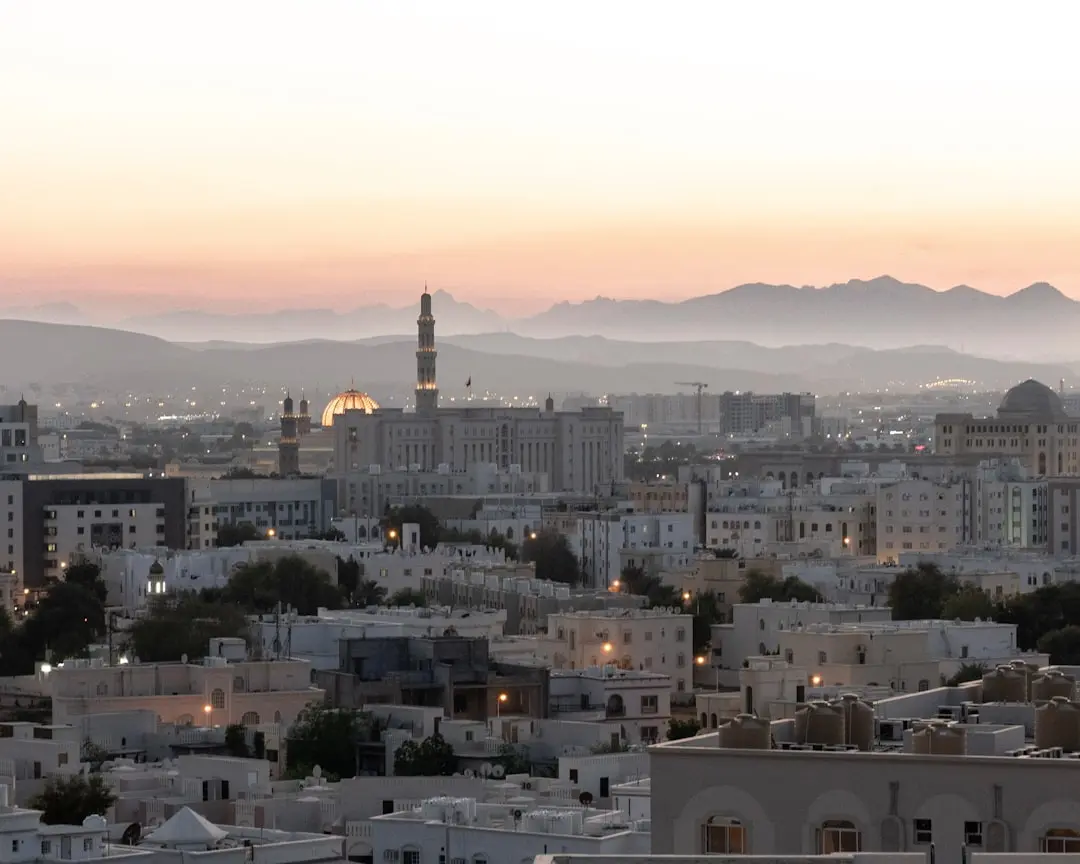
Oman · Middle EastMuscat blends rugged mountains, turquoise bays, and a quiet old-world charm that feels far from the Middle East's fast-lane. August is hot and low-season, so you'll find bargain rates at luxury resorts and near-empty souks; no major festivals are underway, but cooler weather and the National Day celebrations arrive in November.
Is Muscat Expensive? The Short Answer
Muscat is mid-range. At $30 a day for backpacker travel it undercuts 68% of the 399 destinations we track.
- A short trip of 4 nights costs about $120, excluding flights.
- A week costs about $210; a month is about $900.
- That works out at $30 a day for backpacker travel.
Living in Muscat: Backpacker Guide for 2026
Although Muscat isn't on the typical Southeast Asia backpacker trail, it rewards bold travelers with genuine Omani hospitality, dramatic mountain-and-sea scenery, and a very safe environment. Right now, in the furnace of August, the city is quiet and hotel prices are low — you'll often have beaches and souks almost to yourself, only sharing them with locals escaping the heat indoors. Budget travel here is absolutely possible if you skip the flashy resorts and embrace the old city's simple charm.
For a place to lay your head, Mutrah is your best bet, with a few family-run guesthouses offering simple private rooms for under 20 OMR a night — split a twin and you pay about 15 OMR per person. Street food is your buddy: grab shawarma, falafel, and fresh juice at the stalls near Mutrah Souk. A curry or biryani in Ruwi costs under 5 OMR, and the city's top sights — Sultan Qaboos Grand Mosque, Mutrah Corniche, and Riyam Park — are completely free. In August's heat, you'll have them practically to yourself.
For the best budget base, look at Mutrah or Ruwi. Mutrah gives you the waterfront, the souk, and easy public buses along the coast, while Ruwi is the transport hub with cheap eateries, the main bus station, and lower room prices. Staying even slightly inland, like in Al Khuwair, gets you a local neighborhood vibe and supermarkets (Lulu is your friend) without the tourist markup. The public bus network is cheap and reasonably efficient for getting between neighborhoods, though nearly everything interesting sits along the same coastal strip.
Your daily budget lands around US$30: dorm bed $15, local meals $10, transport $3, plus $2 for incidentals. Buy fruit and water at Lulu Hypermarket, use the public buses, and take advantage of low-season guesthouse deals by negotiating ahead. Muscat isn't built for budget thrills, but its calm beauty, friendly people, and near-zero crime make it a memorable detour through Arabia.
How Much Does Muscat Cost? Daily and Monthly Budget
| Travel style | Day | Week | Month |
|---|---|---|---|
🎒BackpackerHostels, street food, public transport | $30/day | $210/week | $900/month |
💻Digital NomadPrivate room, cafes, coworking spaces | $75/day | $525/week | $2250/month |
✨LuxuryHotels, fine dining, private transfers | $250/day | $1750/week | $7500/month |
Internet Speed in Muscat for Remote Work
Where to Stay in Muscat: Best Neighborhoods
Mutrah
$The historic heart of Muscat, with a beautiful corniche, the traditional Mutrah Souk, and a relaxed waterfront vibe. It's the best area for budget travelers, offering guesthouses and seafood restaurants, and it's lively in the evenings.
Ruwi
$Muscat's commercial hub, home to the main bus station, budget hotels, and cheap South Asian eateries. It's practical and well-connected but not the prettiest part of town, and it gets congested during rush hours.
Al Khuwair
$A modern, diplomatic district with tree-lined streets, restaurants, and a mix of apartments and villas. It's popular with expats and offers easy access to coworking spaces and the Grand Mosque.
Shati Al Qurum
$$The upscale beachfront area with Muscat's finest five-star hotels, boutiques, and waterfront dining. It's ideal for luxury travelers, though accommodation and restaurants are pricey.
Weather in Muscat This Week
Pros and Cons of Living in Muscat
Pros
- +Very safe, especially for solo travelers
- +Rich Omani culture and heritage
- +Stunning natural scenery: mountains, sea, wadis
- +Low-season August deals on hotels
- +Friendly locals and genuine hospitality
- +Excellent luxury resorts at moderate prices
- +Clean, modern infrastructure
- +No crowds compared to Dubai or Abu Dhabi
- +Affordable public transport
- +Unique experiences: desert safaris, dhow cruises
Cons
- -Extreme summer heat (40°C+)
- -Limited budget hostel scene
- -Alcohol is restricted and expensive in hotels
- -Public transport is sparse; a car is useful
- -Conservative dress code and strict laws
- -Little nightlife outside hotels
- -Few coworking spaces (though growing)
- -Expensive groceries for imported goods
- -Limited backpacker social scene
- -Accommodation booking required in advance for events
Muscat FAQ: What Travelers Ask Most
Muscat is exceptionally safe, with low crime rates and a strong police presence. Travelers commonly walk around at night without worry, though you should still use standard precautions like avoiding unlit wadis and remote beaches after dark.
The best time is from October to March, when temperatures are pleasant, and the city hosts festivals like Muscat Festival. August is scorching but offers cheap hotel deals and far fewer tourists. If you can handle the heat, summer is also a bargain.
Many nationalities get a free 30-day tourist visa on arrival or an e-visa in advance. The visa can be extended for another month. A one-year digital nomad visa is also available for remote workers with proof of employment and income.
Fibre internet is now common, with average download speeds around 40 Mbps and uploads around 20 Mbps. Many hotels and cafés offer decent wifi, and dedicated coworking spaces provide faster connections that are reliable for video calls.
Yes, though it's not a digital nomad hub yet. The infrastructure is solid, and there are a few real coworking spaces plus plenty of remote-friendly cafés. The Oman digital nomad visa allows a one-year stay, making it a viable base for slow travel.
Muscat is not a classic backpacker destination, so hostels are scarce and the social scene is quiet. However, budget guesthouses in Mutrah and Ruwi keep costs down, and the calm, safe environment appeals to travelers seeking a break from the usual trail.
Backpackers can get by on $30 per day with a dorm bed and street food. Digital nomads typically spend around $75 per day including rent, coworking, and meals. Luxury travelers should budget $250 per day for a five-star hotel and fine dining.
Cities Near Muscat
The closest destinations across the border, with distance and daily cost
Best Places to Visit in Middle East
Top-scoring destinations in the same part of the world.
Quick Facts
- Global Rank
- #176 of 399
- Region
- Middle East
- Timezone
- Muscat
- Weather
- 36.1°C · Sunny
- Backpacker
- $30/day
- Digital Nomad
- $75/day
- Luxury
- $250/day
- Monthly (backpacker)
- $900
- Download
- 40 Mbps
- Upload
- 20 Mbps
Score by Travel Style
Do You Need a Visa for Muscat?
Most Western nationalities receive a free 30-day tourist visa on arrival or via e-visa, extendable for another 30 days. Some countries need sponsorship, so check the Royal Oman Police portal before booking. A 1-year digital nomad visa is available for remote workers with proof of income.
Is Muscat Safe?
Muscat is one of the safest capitals in the region, with very low violent crime and a visible police force. Solo travelers, including women, generally feel safe walking at night in tourist areas, though you should avoid empty wadis and remote beaches after dark.