
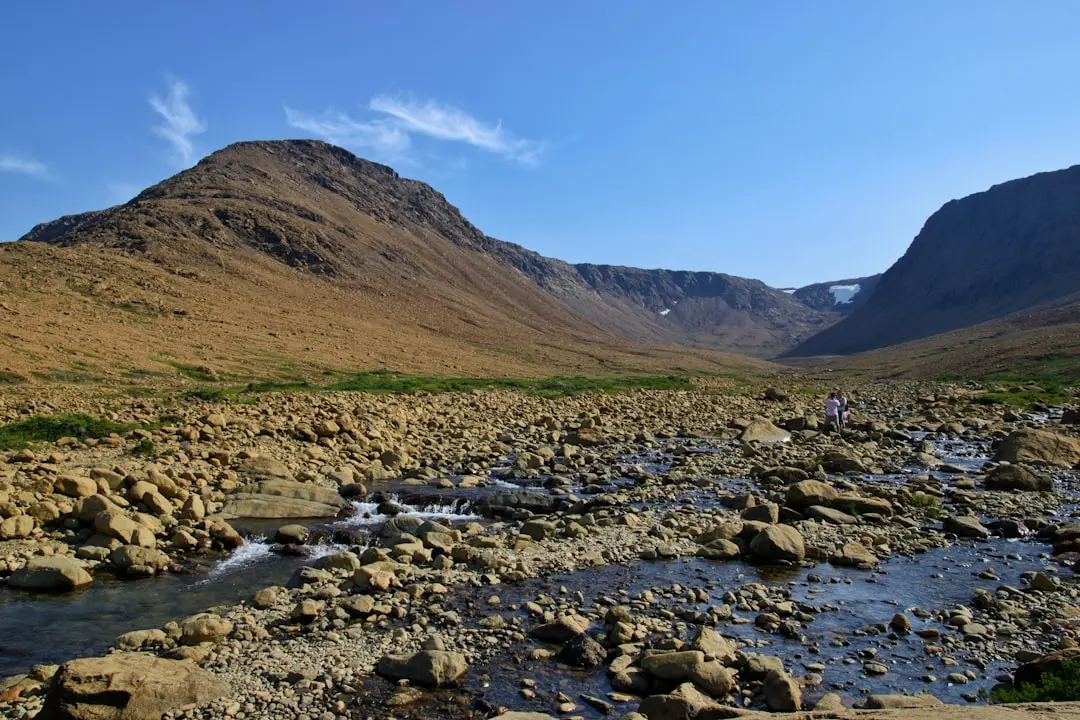
Gros Morne Travel Costs in 2026: Backpacker, Nomad & Luxury Budgets
Canada · North AmericaGros Morne National Park in Newfoundland is a wild, fjord-carved wonderland—perfect for hikers and nature lovers. August means peak season with the Gros Morne Theatre Festival and local seafood events. Expect dramatic hikes, boat tours on Western Brook Pond, and a truly remote, off-grid vibe.
Is Gros Morne Expensive? The Short Answer
Gros Morne is mid-range. At $45 a day for backpacker travel it costs more than 56% of the 399 destinations we track.
- A short trip of 4 nights costs about $180, excluding flights.
- A week costs about $315; a month is about $1350.
- That works out at $45 a day for backpacker travel.
Living in Gros Morne: Backpacker Guide for 2026
Welcome to Gros Morne, where the wilderness is the star and your wallet gets a break from city prices. This remote Newfoundland park is not your typical hostel-laden backpacker hub, but that's exactly its charm. August brings the Gros Morne Theatre Festival and lively local music sessions, so you'll have cultural fun even while staying on a shoestring. The trade-off: everything is spread out, so you'll need to plan your transport carefully—but the jaw-dropping fjords and hiking trails are free.
Accommodation is where you save big. Backcountry camping permits are under $15 a night, and established campgrounds like Berry Hill and Green Point charge around $30 with showers and washrooms. There are also a few hostels and budget cabins in Rocky Harbour and Norris Point if you want a roof. For food, hit the grocery store in Rocky Harbour and cook your own meals—a week of supplies costs less than two restaurant meals. Local bakeries and food trucks are indulgence-worthy, but budget travelers should rely on self-catering.
The best base is Rocky Harbour, the park's main town, with its visitor center, grocery store, and easy access to the Tablelands and Western Brook Pond. Norris Point is quieter and closer to the Lookout Trail, while Woody Point boasts heritage architecture and a slower pace. Each has a slightly different feel, but all are within a short drive of trailheads. If you're hitching, it's doable but sparse—try the causeways where locals often pick up hikers.
On a daily basis, plan for $20 in camping, $15 in food, and $10 in local transport or gas sharing. That totals $45 a day. To cut costs, team up with other backpackers at the campsites to split car rentals and fuel. Free activities abound: the Tablelands' lunar landscape, the Green Gardens trail's sea stacks, and the stunning James Callaghan Trail. Gros Morne delivers epic wilderness without the epic price tag—just come with a sense of adventure and flexibility.
How Much Does Gros Morne Cost? Daily and Monthly Budget
| Travel style | Day | Week | Month |
|---|---|---|---|
🎒BackpackerHostels, street food, public transport | $45/day | $315/week | $1350/month |
💻Digital NomadPrivate room, cafes, coworking spaces | $110/day | $770/week | $3300/month |
✨LuxuryHotels, fine dining, private transfers | $280/day | $1960/week | $8400/month |
Internet Speed in Gros Morne for Remote Work
Where to Stay in Gros Morne: Best Neighborhoods
Rocky Harbour
$The largest town in Gros Morne and the park's main gateway. It has grocery stores, restaurants, accommodations, and the visitor center. Busier in peak season but offers the most amenities.
Norris Point
$A charming village just south of Rocky Harbour, known for its arts community, quiet inns, and proximity to the Lookout Trail. Slightly less crowded and more serene.
Woody Point
$A historically preserved town on Bonne Bay with classic Newfoundland architecture. It offers a slower pace, heritage buildings, and a few upscale dining options.
Weather in Gros Morne This Week
Pros and Cons of Living in Gros Morne
Pros
- +World-class hiking with fjords and Tablelands
- +UNESCO World Heritage site
- +Relatively uncrowded wilderness
- +Free camping options inside the park
- +Dramatic coastal and mountain scenery
- +Excellent wildlife viewing (moose, whales, seabirds)
- +Boat tours to Western Brook Pond are unforgettable
- +Friendly local communities
- +Gros Morne Theatre Festival in summer
- +Dark sky preserve for stargazing
Cons
- -Remote location with limited transport links
- -Limited services outside summer season
- -Weak internet and no coworking spaces
- -High cost of groceries in remote towns
- -Weather unpredictable even in August
- -No hostels in the traditional sense
- -Luxury accommodation options are limited
- -Long distances between attractions
- -Peak season crowds at iconic trails
- -Mosquitoes and black flies in summer
Gros Morne FAQ: What Travelers Ask Most
Yes, Gros Morne is very safe for tourists. The main precautions are wildlife-related—keep a safe distance from moose and black bears, store food properly. Weather can change quickly, so carry appropriate gear on hikes. The towns are peaceful and welcoming.
The best time is from June to September, with July and August offering the most stable weather and all services open. September is also beautiful, with fall colors and fewer crowds. Winter is for snowshoeing and skiing but many roads close.
Since Gros Morne is in Canada, visa requirements follow Canadian rules. Citizens of many countries, including the US and EU, can enter with an eTA (Electronic Travel Authorization) or visa exemption. Other nationalities need a visitor visa. Check the official Government of Canada website for your country's requirements.
Internet speeds are limited. In towns like Rocky Harbour, DSL or fixed wireless may reach 10-25 Mbps down, but uploads are slow. Remote areas have no service. Mobile data can be spotty. Coworking spaces are nonexistent.
Not practically. The lack of reliable internet and coworking infrastructure makes it difficult for digital nomads. If you must work, consider staying in a cabin with Starlink and schedule work around outages. It's better for a short vacation than a base for remote work.
Gros Morne isn't a classic backpacker hub, but there is a small community of outdoorsy travelers. You'll find budget camping, a few hostels, and plenty of hiking camaraderie. Meeting like-minded people is possible at campsites and trailheads, but it's quieter than Southeast Asia or Europe.
Daily costs vary: backpackers can manage on $45/day by camping and cooking, nomads might spend $110/day on cabin rentals and food, and luxury travelers typically pay $280/day for boutique inns and fine dining. Park entry adds $10-15 per day (or a yearly pass).
Cities Near Gros Morne
The closest destinations across the border, with distance and daily cost
Best Places to Visit in the Arctic and Far North
Top-scoring destinations in the same part of the world.
Quick Facts
- Global Rank
- #235 of 399
- Rank in Canada
- #12 of 45
- Region
- North America
- Timezone
- Toronto
- Weather
- 4.5°C · Patchy rain nearby
- Backpacker
- $45/day
- Digital Nomad
- $110/day
- Luxury
- $280/day
- Monthly (backpacker)
- $1350
- Download
- 20 Mbps
- Upload
- 5 Mbps
Score by Travel Style
Do You Need a Visa for Gros Morne?
Most visitors need an eTA or visitor visa for Canada. U.S. citizens need a passport; many countries qualify for eTA online. Check official Canadian immigration for up-to-date requirements.
Is Gros Morne Safe?
Very safe destination. Wildlife hazards (moose, black bears) require caution. Weather can change rapidly; be prepared for trails.