
Narsarsuaq Travel Costs in 2026: Backpacker, Nomad & Luxury Budgets
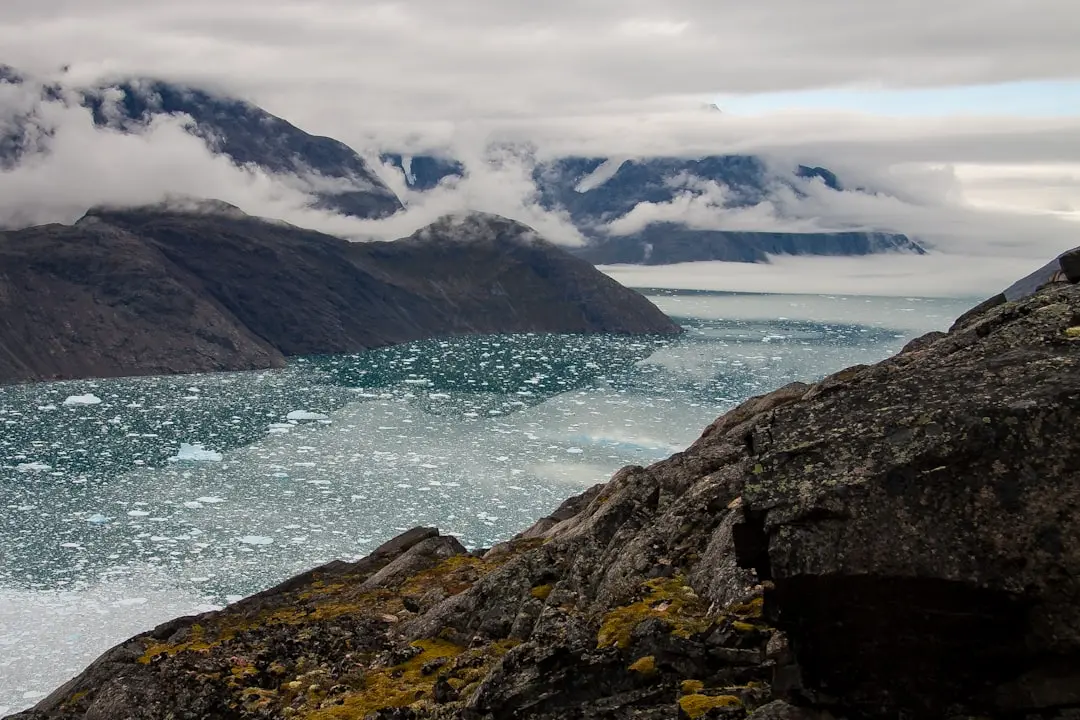
Greenland · North AmericaA remote former US airbase on a South Greenland fjord, Narsarsuaq is for true adventurers. August offers endless daylight, hikes onto blue ice, and iceberg cruises. Next month the Blue Ice Half Marathon on 5 September adds a sporty community buzz to this tiny frontier outpost.
Is Narsarsuaq Expensive? The Short Answer
Yes — Narsarsuaq is expensive. At $85 a day for backpacker travel it costs more than 96% of the 399 destinations we track.
- A short trip of 4 nights costs about $340, excluding flights.
- A week costs about $595; a month is about $2550.
- That works out at $85 a day for backpacker travel.
Living in Narsarsuaq: Backpacker Guide for 2026
Pulling into Narsarsuaq is like stepping back to the last great frontier. This tiny former US airbase beside a fjord has no ATM, no taxi app, and no chain hostels, yet for hardcore backpackers the payoff is off-the-charts: free-trekking onto blue ice, abandoned military relics to explore, and boat shuttles to glaciers. August weather is surprisingly mild, with endless daylight, and mosquitoes are finally starting to fade.
Accommodation options are scarce: the old camping area by the airport has basic pitches (bring a four-season tent), and the local guesthouse offers cramped six-bed dorms for about 60 USD. You can cook in the shared kitchen after raiding the small supermarket, which sells pricier-than-thou instant noodles and canned fish. For cheap food, grab a hot dog at the airport kiosk or cook pasta. Free activities: hike the Blue Ice Moraine trail at midnight, explore the B-29 wreck, and join joint boat trips that cost less if you split with strangers.
The infrastructure is minimal but friendly. The entire village is one valley; there are no neighbourhoods as such. Camp beside the fjord or stay at the airport guesthouse—either feels like winning. The tiny 'town' has a museum, a Danish-era church, and little else, but that's not why you're here; you're here to walk under glacier ice and share mossy trails with Greenlandic sheep.
Daily budget: hostel 55, supermarket food 25, a ferry or bus 10, plus a reserve 20 for gear rental/climbs. If you camp and cook every meal you can slash it to 65, but that excludes rescue insurance—needed if you head into the backcountry. The one splurge worth booking is a half-day ice cruise (around 75 USD) with a guide; it opens up a world you cannot reach on foot.
How Much Does Narsarsuaq Cost? Daily and Monthly Budget
| Travel style | Day | Week | Month |
|---|---|---|---|
🎒BackpackerHostels, street food, public transport | $85/day | $595/week | $2550/month |
💻Digital NomadPrivate room, cafes, coworking spaces | $140/day | $980/week | $4200/month |
✨LuxuryHotels, fine dining, private transfers | $450/day | $3150/week | $13500/month |
Internet Speed in Narsarsuaq for Remote Work
Where to Stay in Narsarsuaq: Best Neighborhoods
Airport Base
$The former US military strip is the hub of the settlement, with the Guesthouse Narsarsuaq, a café, and the small supermarket. It's the most practical (and often cheapest) place to stay, especially for early flights.
Fjord Shore
$Along the water's edge you'll find the main hotel, camping pitches, and kayak rental operators. Views over the Kimmerup fjord are spectacular, and this is where boat tours depart.
The Hillside Trails
$Behind the village, the moraine hills have a few scattered huts and old radio towers. This is the launch point for free hiking into the Blue Ice landscape and the best spot for wild camping away from the settlement.
Weather in Narsarsuaq This Week
Pros and Cons of Living in Narsarsuaq
Pros
- +Uncrowded, untouched glacial wilderness
- +Direct access to Blue Ice Moraine and icebergs
- +Midnight sun in summer means 24-hour daylight for exploring
- +Arctic wildlife sightings: musk oxen, seals, whales, seabirds
- +Friendly and welcoming Greenlandic community
- +Unique hiking routes with almost no other trekkers
- +Excellent base for boat cruises to Qooroq Ice Sheet
- +Less touristy than Ilulissat on the west coast
- +No light pollution and clear skies for winter auroras
- +A truly frontier, off-the-grid adventure experience
Cons
- -Very expensive: groceries, transport, and tours are pricey
- -Very limited accommodation — must book months ahead
- -Few dining options; the supermarket is tiny and stocked for locals
- -Internet is slow and can drop in bad weather, unsuitable for heavy remote work
- -Remote location requires multiple flights or an expensive boat journey
- -Almost no nightlife, bars, or shopping; the settlement closes early
- -Weather changes rapidly even in August, with rain, wind, and cold
- -No public transport inside Narsarsuaq; you rely on walking or paying for shuttles
- -Very limited medical facilities; serious emergencies require evacuation
- -Hiking trails are unmarked and require proper navigation skills
Narsarsuaq FAQ: What Travelers Ask Most
Yes, Narsarsuaq is extremely safe. Crime is virtually nonexistent and the small community is friendly. The real risks are outdoor ones: cold water, changeable weather, iceberg calving, and hiking without proper gear. Always tell someone your route and avoid walking on glacier ice without a guide.
The summer months of July and August offer the mildest weather and the best hiking, with temperatures around 7-12°C (45-54°F) and long daylight. September is also good for the Blue Ice Half Marathon and autumn colors, while winter (November-March) brings aurora and freezing temperatures, but many services close. For most travellers, August is the ideal sweet spot.
Greenland is not in the Schengen Area, but Danish visa rules largely apply. Citizens of the EU/EEA, US, UK, Canada, Australia, Japan, and many others do not need a tourist visa for stays under 90 days. If you hold a Schengen visa, it is usually accepted, but check the latest rules with the Danish Embassy before you travel.
Internet in Narsarsuaq is available but not fast by global standards—expect around 20-30 Mbps download and 5-10 Mbps upload at the guesthouse or hotel. It's fine for email and light browsing, but video calls can be laggy, especially in the afternoon. A Greenlandic SIM card from Tusass can provide decent tethering in the settlement.
Technically yes, but it's challenging. There are no coworking spaces or digital nomad communities, and the internet can be unreliable. You'll need to adapt your schedule to the best hours and have offline work options. Many visitors use Narsarsuaq as a 'digital detox' retreat rather than a full-time remote base.
The backpacker scene is tiny but oddly rewarding. There's one guesthouse dorm and a camp area, so you'll quickly meet the few travellers who make it here. It's not a social party scene—it's more about sharing stories by the fjord, cooking pasta in the shared kitchen, and joining forces to split the cost of a boat trip.
Narsarsuaq is expensive, even by Greenlandic standards. Backpackers spending around 85 USD per day on a hostel bed, supermarket food, and occasional transport. Digital nomads need roughly 140 USD per day if they can find a guesthouse and eat out. Luxury travellers can easily spend 450 USD per day for a nice suite, fine dining, and helicopter excursions.
Cities Near Narsarsuaq
The closest destinations across the border, with distance and daily cost
Best Places to Visit in the Arctic and Far North
Top-scoring destinations in the same part of the world.
Quick Facts
- Global Rank
- #352 of 399
- Rank in Greenland
- #2 of 13
- Region
- North America
- Timezone
- Godthab
- Weather
- 2.2°C · Clear
- Backpacker
- $85/day
- Digital Nomad
- $140/day
- Luxury
- $450/day
- Monthly (backpacker)
- $2550
- Download
- 25 Mbps
- Upload
- 8 Mbps
Score by Travel Style
Do You Need a Visa for Narsarsuaq?
Greenland is part of the Kingdom of Denmark but not in the Schengen Area. Most EU/EEA citizens, plus visitors from the US, Canada, UK, Australia, and Japan, can enter without a visa for up to 90 days. A valid Schengen visa is generally accepted, but always confirm with the Danish Embassy before travelling.
Is Narsarsuaq Safe?
Narsarsuaq is remarkably safe—crime is virtually zero and locals look out for one another. Main hazards are cold water, sudden weather shifts, and wandering musk oxen; always tell someone your route and carry proper gear for off-trail hikes.