
Jotunheimen Travel Costs in 2026: Backpacker, Nomad & Luxury Budgets
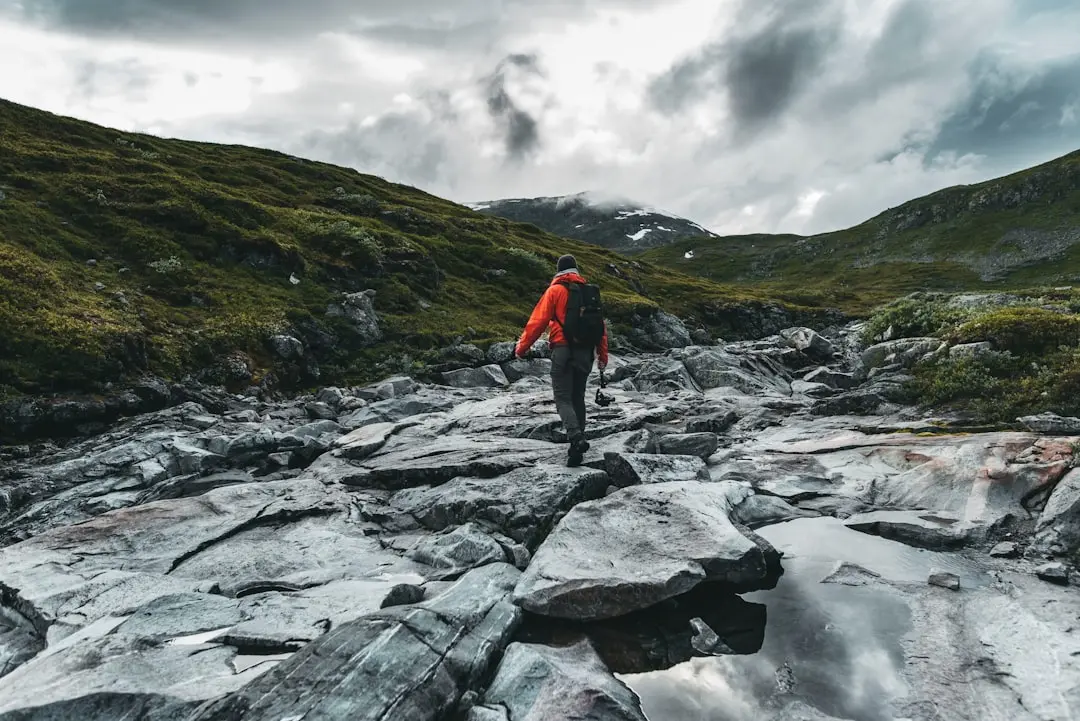
Norway · EuropeJotunheimen National Park is Norway's ultimate raw wilderness, where jagged peaks and glaciers dominate the horizon. In August, the trails are snow-free and the long days are perfect for hiking, but the weather is famously unpredictable. This is a destination for outdoor enthusiasts, with the annual Jotunheimen Hiking Week bringing guided tours and workshops to the region this month.
Is Jotunheimen Expensive? The Short Answer
Jotunheimen is mid-range. At $40 a day for backpacker travel it costs more than 51% of the 399 destinations we track.
- A short trip of 4 nights costs about $160, excluding flights.
- A week costs about $280; a month is about $1200.
- That works out at $40 a day for backpacker travel.
Living in Jotunheimen: Backpacker Guide for 2026
Jotunheimen National Park is a backpacker's dream for those who crave raw Nordic nature. In August, the summer crowds have thinned slightly, the mountain trails are in prime condition, and the long, bright evenings let you hike late into the night. The atmosphere is pure adventure — no buses, no wifi, just endless valleys, glaciers, and the opportunity to sleep under the starry sky. If you're on a slim budget, this is where you trade cash dollars for unforgettable views, as long as you're willing to carry your own shelter and cook your own dinners.
Hostels in the true sense are scarce; instead, you'll find the affordable DNT cabins (Norwegian Trekking Association) sprinkled along the trails. Dorm beds cost around 350-500 NOK (US$35-50) per night, and cabins in the simplest standard are even cheaper if you use your own sleeping bag. Groceries are best bought in larger towns like Otta or Lom before entering the park — stock up on oatmeal, pasta, dried sausage, and flatbread. Street food is non-existent, but self-catering keeps your costs down dramatically. Free activities abound: hiking Besseggen Ridge, climbing Galdhøpiggen, fishing for arctic char, and swimming in crystal-clear glacier lakes.
For nearby bases, Lom is the classic backpacker gateway — it has a well-stocked grocery store, a youth hostel, and bus connections into the park. Gjendesheim, right on Lake Gjende, is the trailhead for Besseggen and offers a tiny campground where you can pitch a tent for around 150 NOK. If you want to be even closer to nature, wild camping (allemannsretten) is free anywhere except marked grazing areas, so you can pitch your tent wherever you find a flat spot — a huge saving.
On a tight budget, plan to spend about US$40 a day: US$12 for food, US$15-25 for a DNT bed every second night (or free wild camping), and US$5-10 for local transport if you split fares. The biggest money-savers are cooking your own meals, avoiding the tourist traps near the main trailheads, and packing a reliable stove. With the Norwegian krone weaker than usual in 2026, your dollar stretches a bit further than it has in years. Jotunheimen is not a place for those who want a hostel bar scene — it's for intrepid backpackers who love hiking, glaciers, and sky-high solitude. If that sounds like you, grab your boots.
How Much Does Jotunheimen Cost? Daily and Monthly Budget
| Travel style | Day | Week | Month |
|---|---|---|---|
🎒BackpackerHostels, street food, public transport | $40/day | $280/week | $1200/month |
💻Digital NomadPrivate room, cafes, coworking spaces | $100/day | $700/week | $3000/month |
✨LuxuryHotels, fine dining, private transfers | $350/day | $2450/week | $10500/month |
Internet Speed in Jotunheimen for Remote Work
Where to Stay in Jotunheimen: Best Neighborhoods
Lom
$The main gateway town to Jotunheimen, known for its historic stave church and well-stocked grocery stores. It offers a mix of budget cabins, comfortable hotels, and cafés, making it ideal for backpackers and luxury travelers alike.
Gjendesheim
$Sitting at the eastern edge of Lake Gjende, this is the trailhead for the famous Besseggen ridge. It has a DNT lodge, a small campground, and a café, but it's very remote and limited in services.
Vågå
$A quiet farming village west of the park, offering affordable accommodation and a peaceful base away from peak crowds. It's a short drive to the mountains and a good spot for those wanting to escape the tourist trail.
Weather in Jotunheimen This Week
Pros and Cons of Living in Jotunheimen
Pros
- +World-class hiking trails including Besseggen and Galdhøpiggen
- +Stunning glaciers and alpine scenery
- +Free wild camping with the right to roam
- +Very safe with low crime and friendly locals
- +Well-marked trails and a network of DNT cabins
- +Perfect for disconnecting completely from daily life
- +Great for photography and wildlife watching
- +Accessible by bus from Oslo in about 4-5 hours
- +Good for budget travelers if you take your own food
- +The summer weather is ideal for hiking in August
Cons
- -Norway is generally expensive for food, transport, and lodging
- -Internet connection is poor or non-existent in the mountains
- -Summer season is short and weather changes rapidly
- -Popular trails like Besseggen can get crowded in August
- -No public transport inside the park; you need a car or bus to trailheads
- -Nightlife and cultural attractions are almost nonexistent
- -DNT cabins can be fully booked during peak season
- -Requires high-quality hiking gear for safety and comfort
- -Long distances between basic amenities and first aid
- -No dedicated hostels, only simpler DNT cabins
Jotunheimen FAQ: What Travelers Ask Most
Yes, Jotunheimen is very safe in terms of crime and personal security. However, the natural environment poses risks: weather changes quickly, and the terrain is rugged. Always check forecasts, stay on marked trails, and inform someone of your route before heading out.
The best time is from late June to mid-September when the snow has melted and the trails are accessible. August offers stable weather, long days, and a lively hiking community. For autumn colors, late September is stunning, but facilities begin to close for the season.
Norway is a Schengen member, so many countries enjoy visa-free access for up to 90 days. Citizens of the EU/EEA, USA, Canada, Australia, and many others do not need a visa for short stays. Always verify with the Norwegian Directorate of Immigration for your specific nationality.
Within the national park itself, there is no internet or mobile coverage on most trails. In nearby towns like Lom and Vågå, you can find 4G networks and good fiber connections, with speeds of 30-80 Mbps. For remote work, you'll need to stay in the valley towns and possibly use a portable hotspot.
It's challenging but possible if you base yourself in Lom or Vågå and commute to the mountains on weekends. Internet in the valley is reliable, but there are no coworking spaces. You'd need your own car, a stable data plan, and a high tolerance for isolation. Most remote workers prefer Oslo or other cities, but for a nature immersion, it can be done for a few weeks.
It's not the typical hostel party scene. Instead, you'll meet like-minded hikers from around the world in DNT cabins and camping grounds. The atmosphere is communal and focused on nature. You can share trail tips and meals with other travelers, making it a great place for solo adventurers who enjoy outdoor socializing.
On a backpacker budget, you can manage around US$40 per day by camping, cooking, and using public buses. For a comfortable mid-range trip, expect US$100-150 daily for hotels and frequent dining. Luxury travelers might spend over US$350 per night for private lodges and curated experiences.
Cities Near Jotunheimen
The closest destinations across the border, with distance and daily cost
Best Places to Visit in the Arctic and Far North
Top-scoring destinations in the same part of the world.
Quick Facts
- Global Rank
- #150 of 399
- Rank in Norway
- #1 of 14
- Region
- Europe
- Timezone
- Oslo
- Weather
- 2.1°C · Light drizzle
- Backpacker
- $40/day
- Digital Nomad
- $100/day
- Luxury
- $350/day
- Monthly (backpacker)
- $1200
- Download
- 30 Mbps
- Upload
- 10 Mbps
Score by Travel Style
Do You Need a Visa for Jotunheimen?
Norway is part of the Schengen Area. Most non-EU/EEA nationals can visit visa-free for up to 90 days within 180 days. Always check your specific nationality with the Norwegian Directorate of Immigration.
Is Jotunheimen Safe?
Jotunheimen is extremely safe for tourists, but the main risks are weather and terrain. Always check the forecast, carry a map, and let someone know your route.