
Blue Lagoon Travel Costs in 2026: Backpacker, Nomad & Luxury Budgets
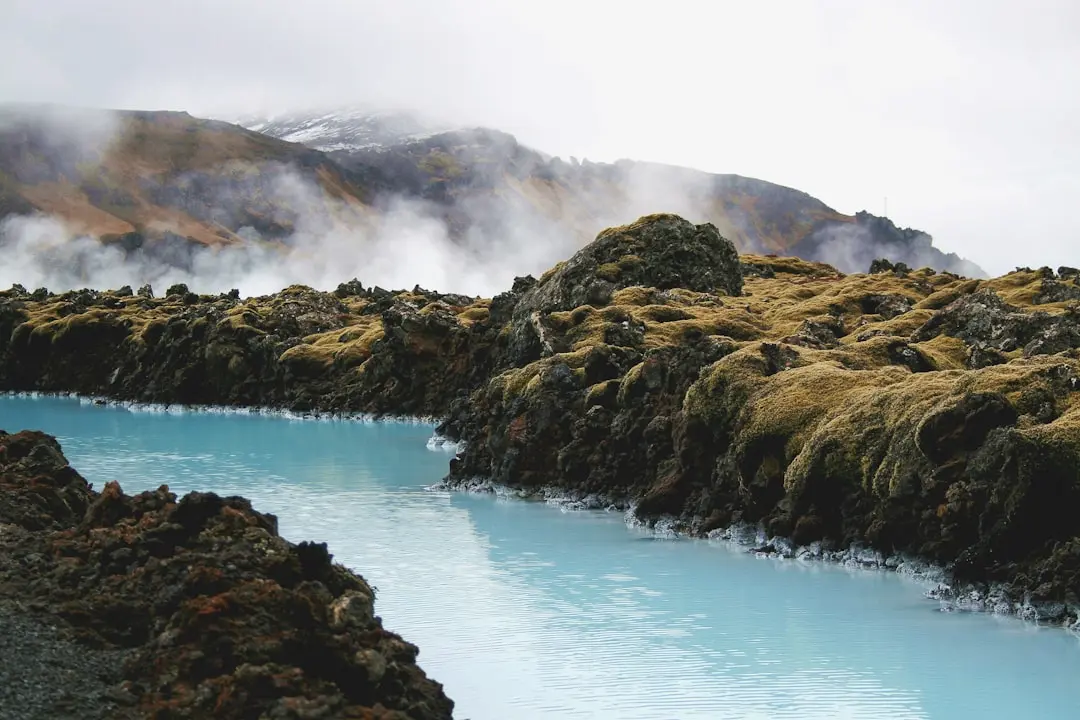
Iceland · EuropeBlue Lagoon, Iceland—a surreal geothermal oasis set in stark lava fields. August means midnight sun, peak prices, and balmy 30°C lagoon waters. Extravagant, unforgettable, and absolutely worth the splurge.
Is Blue Lagoon Expensive? The Short Answer
Yes — Blue Lagoon is expensive. At $70 a day for backpacker travel it costs more than 87% of the 399 destinations we track.
- A short trip of 4 nights costs about $280, excluding flights.
- A week costs about $490; a month is about $2100.
- That works out at $70 a day for backpacker travel.
Living in Blue Lagoon: Backpacker Guide for 2026
Let's be real: Iceland is one of the priciest places on Earth, and the Blue Lagoon is its priciest splash. But if you're a budget traveler who refuses to skip the planet's most iconic hot spring, here's how to swim in style without sinking your savings. The secret? Treat it as a glorified day trip from Reykjavík, where hostels like Kex and Loft are packed with fellow thrifty adventurers from June through August. Budget about $35 for the entrance ticket (book the earliest morning slot to avoid crowds and price surges), and pack your own towel, swimsuit, and snacks—the lagoon's extra rentals and food are where they bleed you dry.
Stay in Reykjavík's laid-back neighborhoods like Hlemmur or Húsavík, grab a daily breakfast at the local Bónus supermarket (coffee, skyr, flatkaka—all under $5), and rely on the public bus #55 to reach the lagoon for around $10 each way. Cooking your own meals instead of eating at the nearby Lava Restaurant saves at least $30 a day. Total daily budget: roughly $70—$35 for the lagoon ticket, $20 for a dorm bed, $15 for groceries and bus fare.
The backpacker scene here is real but not wild—it's more about soaking in geothermal water surrounded by black lava than partying all night. You'll meet solo travelers and couples doing the classic Ring Road. To save even more, skip the car and use the public flybus or share rides via carpool apps like Samferða. Also, free stuff rules: wander the lava fields, dip into the free outdoor pool at the nearby town of Grindavík, and hike the Reykjanes Peninsula's rugged trails near the famous Bridge Between Continents.
Final verdict: Blue Lagoon is a budget breaker, but with the right mindset and a few Norwegian-style frugal tricks, you can conquer it for a week without selling your kidney. Just remember to keep the rest of your Icelandic itinerary even cheaper—hitchhiking to waterfalls and sleeping in guesthouses outside Reykjavík will balance the books.
How Much Does Blue Lagoon Cost? Daily and Monthly Budget
| Travel style | Day | Week | Month |
|---|---|---|---|
🎒BackpackerHostels, street food, public transport | $70/day | $490/week | $2100/month |
💻Digital NomadPrivate room, cafes, coworking spaces | $150/day | $1050/week | $4500/month |
✨LuxuryHotels, fine dining, private transfers | $400/day | $2800/week | $12000/month |
Internet Speed in Blue Lagoon for Remote Work
Where to Stay in Blue Lagoon: Best Neighborhoods
Grindavík
$The fishing village right beside the Blue Lagoon. Small, quiet, with a few guesthouses and seafood restaurants. Ideal for quick lagoon access and a peaceful stay, but it's not a nightlife hub.
Reykjavík City Centre (Miðborg)
$$The vibrant heart of the capital, packed with bars, museums, and restaurants. Perfect for backpackers and nomads who want easy day trips to the lagoon and access to all amenities.
Keflavík
$Near the international airport (10 minutes from lagoon). Cheap hotels and guesthouses make it a pragmatic base for early flights. Not scenic, but very functional.
Vesturbær (West District)
$A residential and café-lined neighborhood in Reykjavík, close to the old harbor. Great for long-term stays—quieter, with a local feel, and still a 20-minute drive to the lagoon.
Weather in Blue Lagoon This Week
Pros and Cons of Living in Blue Lagoon
Pros
- +Unique geothermal experience
- +Excellent safety record
- +World-class luxury hotels
- +Stunning volcanic landscape
- +Fast and reliable internet
- +Midnight sun in summer
- +Close to Keflavík Airport
- +Great for Instagram-worthy photos
- +Easily combinable with Golden Circle
- +Geothermal spa benefits for skin
Cons
- -Extremely expensive
- -Crowded during peak season
- -Limited accommodation near lagoon
- -Weather frequently cloudy/rainy
- -Public transport sparse
- -Nightlife limited outside Reykjavík
- -Cold outdoor temperatures
- -Visa restrictions for non-Schengen
- -No true 'city' life at the lagoon
- -Day-trippers flood in after noon
Blue Lagoon FAQ: What Travelers Ask Most
Yes, it's one of the safest destinations on Earth. Crime is almost non-existent, and the lagoon water is carefully disinfected. The main risks are slippery walkways and volcanic hazards—stick to marked paths and wear non-slip footwear.
August offers 18+ hours of daylight and mild weather (10-15°C), but it's peak season with high prices. For fewer crowds, visit late evening or book the first entry at 8am. Winter (Sep–Mar) gives you northern lights and lower prices, but short days.
Blue Lagoon is in Iceland (Schengen Area). Citizens of the US, UK, Canada, Australia, New Zealand, Japan, and South Korea can visit visa-free for 90 days. Others need a Schengen visa. Check with the Icelandic Directorate of Immigration for your nationality.
Excellent. Iceland has some of the fastest internet in the world, with average download speeds around 150 Mbps. The Blue Lagoon's own wifi is fast, and Reykjavík cafes and coworking spaces offer reliable fiber connections—perfect for remote work.
Technically yes—the internet is superb and you'll have plenty of time between soaks. However, the high cost and limited long-term facilities in Grindavík make Reykjavík a more practical base. Iceland's standard tourist visa permits up to 90 days, which is fine for a working vacation.
Very minimal—there's no hostel directly at the lagoon. Backpackers typically stay in Reykjavík and do a day trip. The hostel culture is sociable, but the vibe is more sightseeing-oriented than party-driven. Expect to spend $30-50 just for the lagoon ticket.
A lot. Backpackers should budget $70/day (hostel, groceries, bus). Nomads spend ~$150/day; luxury travelers, $400+ daily. Specific lagoon entry tickets range from $35 (Comfort) to $100 (Premium) depending on time slot and inclusions.
Cities Near Blue Lagoon
The closest destinations across the border, with distance and daily cost
Best Places to Visit in the Arctic and Far North
Top-scoring destinations in the same part of the world.
Quick Facts
- Global Rank
- #367 of 399
- Rank in Iceland
- #9 of 10
- Region
- Europe
- Timezone
- Reykjavik
- Weather
- 7°C · Cloudy
- Backpacker
- $70/day
- Digital Nomad
- $150/day
- Luxury
- $400/day
- Monthly (backpacker)
- $2100
- Download
- 150 Mbps
- Upload
- 50 Mbps
Score by Travel Style
Do You Need a Visa for Blue Lagoon?
Schengen visa-free for 90 days in 180 days for US, UK, Canada, Japan, and many others. Other nationalities need a Schengen visa. Passport must be valid for 3 months beyond stay.
Is Blue Lagoon Safe?
Very safe. Iceland has one of the lowest crime rates globally. Minor pickpocketing in tourist areas is rare. Volcanic and weather hazards are the main concerns—follow official advice.