
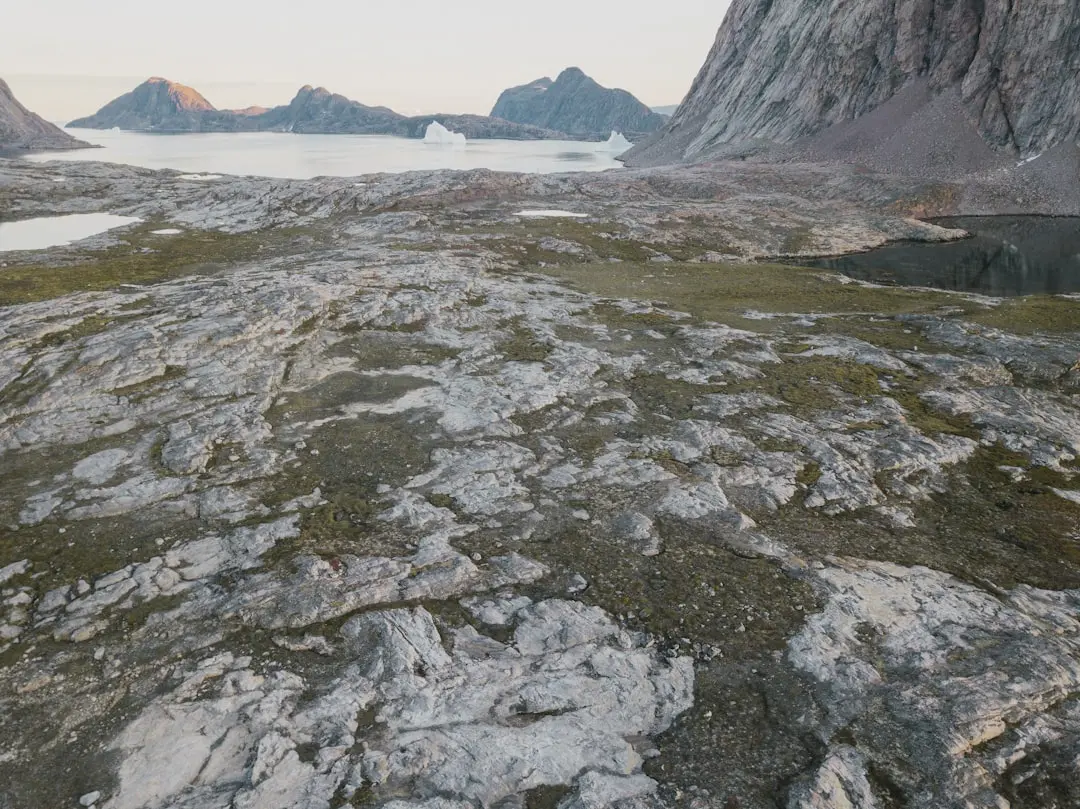
Greenland Ice Sheet Travel Costs in 2026
Greenland · North AmericaThe Greenland Ice Sheet offers a once-in-a-lifetime Arctic expedition with 24-hour summer daylight. No festivals — just raw, primal wilderness. Venture from Kangerlussuaq to the edge of a 1.7-million-square-kilometer ice cap, where your only 'tourist trap' is a glacial meltwater river.
Is Greenland Ice Sheet Expensive? The Short Answer
Yes — Greenland Ice Sheet is expensive. At $180 a day for backpacker travel nothing else we track costs more.
- A short trip of 4 nights costs about $720, excluding flights.
- A week costs about $1260; a month is about $5400.
- That works out at $180 a day for backpacker travel.
Living in Greenland Ice Sheet: Backpacker Guide for 2026
Chasing the rawest corners of the Earth... The Greenland Ice Sheet is not a budget destination; it is a pilgrimage for the truly adventurous. You will not find hostels or street food here—just ice, wind, and the profound silence of 1.7 million square kilometres of ancient glacier. Right now, in mid-August, the sun never sets, and the melt season is at its peak, carving surreal blue rivers across the white expanse. For a backpacker, this is equal parts humbling and punishing, but the payoff is an experience no hostel bar can match.
Hostels are nonexistent, so your cheapest bed is a bunk at a shared expedition camp (think $80–120 a night in a heated tent). Street food is a myth—you'll be eating dehydrated pasta and protein bars flown in from Kangerlussuaq. Free activities, however, are staggering: hike the ice edge, sample meltwater as old as time, or simply sit and watch the stillness.
The only realistic 'neighborhood' is the Kangerlussuaq access zone, where you can sleep in a dormitory at the Polar Lodge (around $40 a night) and hop on a day tour to the ice. A true self-supported backpacking trip, with gear rental, guides, and contingency funds, will run at least $180 a day—and that's if you've got a full expedition kit. Money-saving tips: split a guided group tour, hitch onto a research logistics flight, or 'work for bed' at a camp. But in the end, you're not paying for comfort—you're paying for the privilege of standing on a planetary wonder.
So pack the warmest sleeping bag you own, prepare for reality, and go. The ice sheet doesn't care about your follower count, but it will change how you see the world.
How Much Does Greenland Ice Sheet Cost? Daily and Monthly Budget
| Travel style | Day | Week | Month |
|---|---|---|---|
🎒BackpackerHostels, street food, public transport | $180/day | $1260/week | $5400/month |
💻Digital NomadPrivate room, cafes, coworking spaces | $350/day | $2450/week | $10500/month |
✨LuxuryHotels, fine dining, private transfers | $700/day | $4900/week | $21000/month |
Internet Speed in Greenland Ice Sheet for Remote Work
Where to Stay in Greenland Ice Sheet: Best Neighborhoods
Kangerlussuaq Gateway
$$The primary access point to the ice sheet. A small former US Air Force base turned tourism hub, with the only year-round airport, a couple of guesthouses, and tour operators. It's a launching pad rather than a destination, but it's the most comfortable base for day trips onto the ice.
Ice Camp (Whiteout Lodge)
$$A semi-permanent expedition camp set directly on the ice, offering a handful of heated safari tents and a communal kitchen. This is as close as you'll sleep to the glacier bed, with 24-hour daylight in summer and total isolation.
Summit Research Station
$$Located at 10,000 feet elevation in the center of the ice sheet, this is a scientific outpost rather than a tourist destination. Access is strictly limited to research personnel, but it symbolizes the extreme frontier of the planet.
Weather in Greenland Ice Sheet This Week
Pros and Cons of Living in Greenland Ice Sheet
Pros
- +Once-in-a-lifetime raw Arctic landscape
- +Unmatched sense of solitude and space
- +24-hour daylight in summer (midnight sun)
- +Glacial meltwater rivers and crevasses are extraordinary
- +Aurora borealis visible from September to April
- +Extremely low light pollution and pure air
- +Opportunity to join cutting-edge climate research tours
- +Unique photography subjects (icebergs, ice caves, blue ice)
- +Local wildlife including arctic foxes and musk oxen near edges
- +Small, uncrowded access points with no mass tourism
Cons
- -Extreme cold, even in summer (near freezing at Ice Camp)
- -Very high costs for tours, gear, and logistics
- -No standard tourist infrastructure (no hostels, shops, or hospitals)
- -Dangerous terrain with hidden crevasses
- -Internet virtually nonexistent; no cell coverage
- -Difficult to reach (no direct international flights; via Kangerlussuaq)
- -Limited food options (mostly imported or expedition rations)
- -Weather can ground flights and tours for days
- -Not suitable for beginner adventurers; requires physical fitness
- -Environmental impact of even responsible tourism is a concern
Greenland Ice Sheet FAQ: What Travelers Ask Most
The ice sheet is inherently hazardous due to extreme cold, crevasses, and remoteness. The gateway town of Kangerlussuaq is safe, but venturing onto the ice without a certified guide is extremely dangerous. All visitors should travel with a reputable expedition company and carry proper gear and communication devices.
Summer (June to early September) offers 24-hour daylight and milder temperatures (-10°C to +5°C), making it the only practical time for tourism. Winter visits are only for research and specialized expeditions due to polar darkness and extreme storms. For aurora viewing, September to April, but access is severely limited.
Greenland is not part of the Schengen Area, but citizens of many countries (US, UK, Canada, Australia, Japan, and all Schengen states) can enter Denmark and Greenland visa-free for up to 90 days. Others must obtain a Danish visa. Always carry your ticket to Kangerlussuaq, as immigration is at the Danish border.
Practically nonexistent outside Kangerlussuaq. At Ice Camps, very slow satellite links provide email-only connectivity. At Summit Station, a high-bandwidth military-grade connection exists but only for research. Most expeditions offer no wifi at all, so plan to disconnect entirely.
No, it is not feasible for remote work. Latency is too high for video conferencing, and connectivity is intermittent at best. The only 'digital nomad' possible here is a satellite tech or researcher with $1000+ monthly internet budgets. There are no coworking spaces or long-term rental options.
There is no traditional backpacker scene—no hostels, street food, or traveler dorms on the ice. Budget travelers typically stay in Kangerlussuaq and take a day tour ($200-400). A few outdoor adventurers join group expeditions, but costs are high. It's for serious adventurers, not budget backpackers.
At a bare minimum, a day trip from Kangerlussuaq costs around $200. A multi-day expedition runs $1500-$5000. For luxury, private camps and charters can cost $10,000+ per experience. Daily costs are not applicable in the traditional sense because you must book packages, not per-night lodging.
Cities Near Greenland Ice Sheet
The closest destinations across the border, with distance and daily cost
Best Places to Visit in the Arctic and Far North
Top-scoring destinations in the same part of the world.
Quick Facts
- Global Rank
- #397 of 399
- Rank in Greenland
- #11 of 13
- Region
- North America
- Timezone
- Godthab
- Weather
- 1.8°C · Patchy rain nearby
- Backpacker
- $180/day
- Digital Nomad
- $350/day
- Luxury
- $700/day
- Monthly (backpacker)
- $5400
- Download
- 1 Mbps
- Upload
- 0.5 Mbps
Score by Travel Style
Do You Need a Visa for Greenland Ice Sheet?
Greenland is an autonomous territory of Denmark. Citizens of most European countries, the US, Canada, Australia, and Japan can visit visa-free for up to 90 days. Others require a Danish Schengen visa; note that Greenland is not in the Schengen zone, so a separate permit may apply. Always check with the Danish Embassy.
Is Greenland Ice Sheet Safe?
Extreme cold, crevasses, and isolation make the ice sheet inherently hazardous. Travel only with certified guides and registered expeditions. The main gateway, Kangerlussuaq, is safe, but the ice itself demands serious respect.